
























Mastering Dopamine Decor With Patterned and Vibrant Furniture

Dopamine decor is built on one simple idea: your home should make you feel good the moment you walk in. Instead of neutral palettes and muted choices, this style celebrates color, pattern, and playful expression. It’s about creating a space that energizes you, comforts you, and boosts your mood throughout the day. When applied to furniture, dopamine decor brings personality into every corner while keeping the room functional and inviting. This guide explains how to use colorful and patterned furniture intentionally so your home feels joyful, balanced, and cohesive.
Start With One Happy-Making Anchor Piece
Dopamine decor often begins with one joyful piece that sets the tone for the rest of the room. A functional and expressive foundation like an Office Table Los Angeles establishes a visual baseline that other colors and patterns can build around.
Why your anchor matters
-
Helps establish your dominant palette
-
Anchors playful elements to the room’s purpose
-
Adds a dependable mood-setting color
-
Helps prevent overwhelming combinations
-
Keeps the space grounded and intentional
Choosing your anchor
Pick something that brings immediate joy when you look at it. Its color or design should inspire the rest of your choices.
Use Height Variation to Let Colors Shine
Height plays an important role in how bright and patterned furniture interacts within a room. A functional surface such as a standing desk helps create vertical layering where colors and patterns can appear clearly without clashing.
Benefits of height variation
-
Prevents intense tones from blending together
-
Spreads patterns across the field of vision
-
Adds visual breaks for softer tones
-
Highlights statement pieces
-
Creates movement across the room
Height layering idea
Pair tall, bold items with lower muted ones to maintain visual balance.
Choose a Desk That Blends Function With Personality
A structured workspace surface like an office desk helps counterbalance the playfulness of dopamine decor. Function and fun work best together when the room is grounded by practical pieces.
Desk qualities that support dopamine decor
-
Neutral or lightly tinted finishes
-
Smooth surfaces that highlight bold accessories
-
Simple silhouettes
-
Versatile undertones that match multiple hues
-
Stable structure that holds bright objects well
Desk placement tip
Place vivid accessories on one side and leave space open on the other to create a balanced visual rhythm.
Use Research to Understand Emotional Color Responses
A short ergonomic study highlights how environmental cues influence comfort and mental state. Color plays a similar role by positively affecting mood and emotional response.
Color psychology in dopamine decor
-
Warm tones energize and uplift
-
Cool tones refresh and calm
-
Bright colors stimulate creativity
-
Pastels soften bold patterns
-
Deep tones ground the space
Applying color psychology
Choose two to three primary hues that make you feel happy, then repeat them subtly throughout the room.
Add Supportive Accessories With Character
Small add ons bring personality without overwhelming the decor. A functional piece such as an Ergonomic Arm contributes comfort while also adding a subtle color or shape element.
Why supportive features matter in dopamine decor
-
Add visual breaks between patterns
-
Support the playful aesthetic
-
Enhance comfort for long-term use
-
Link functional areas together
-
Offer small moments of delight
Accent idea
Choose supportive accessories in softer tones to prevent clashing with brighter furniture.
Choose Seating That Supports Color Play
Dopamine decor encourages expressive choices, even in seating. A versatile and comfortable office chair introduces texture and tone variation without overwhelming the palette.
How seating influences dopamine decor
-
Highlights bold accents
-
Adds pattern repetition or contrast
-
Introduces soft textures
-
Grounds vivid pieces
-
Adds personality to neutral corners
Seating placement idea
Put a colorful chair near a neutral desk to create a playful but functional contrast.

Mix Patterns for Visual Joy Without Overload
Patterns give dopamine decor its signature personality. When combined properly, they create movement and interest. When overused, they can overwhelm the space.
Pattern mixing rules
-
Choose one dominant pattern
-
Use smaller patterns to support large ones
-
Keep some areas pattern free for visual rest
-
Repeat shapes for cohesion
-
Contrast only two pattern families at a time
Pattern pairing tip
Pair floral or organic patterns with geometric ones for balanced visual energy.
Table: Color and Pattern Guidelines for Dopamine Decor
|
Element |
Approach |
Benefit |
|
Dominant color |
Use as anchor |
Establishes primary tone |
|
Accent colors |
Add selectively |
Boosts mood |
|
Large patterns |
Use sparingly |
Prevents overload |
|
Small patterns |
Layer subtly |
Creates rhythm |
|
Neutral breaks |
Add between bold items |
Prevents visual chaos |
Use Texture to Balance Bright Colors
Texture adds warmth and depth, which is essential when using bold colors or busy patterns. Without texture, dopamine decor can feel too flat or overwhelming.
Texture roles in colorful rooms
-
Softens intense hues
-
Creates cozy balance
-
Highlights patterned furniture
-
Blends different color families
-
Adds depth to bright palettes
Texture integration tip
Mix smooth textures with one or two soft options like velvet, linen, or subtle woven materials.
Build Zones With Color to Support the Room’s Function
Dopamine decor becomes most effective when it helps guide activity flow. Separate spaces with intentional color placement.
Zoning strategies
-
Use warm tones for active areas
-
Use light pastels for reading nooks
-
Use deep colors for calm corners
-
Use mixed patterns for creative zones
-
Use neutral tones for transitions
Zoning tip
Place your brightest piece in the area where you need the most motivation.
Checklist: Essentials for Mastering Dopamine Decor
-
Choose a joyful anchor piece
-
Use height to break up patterns
-
Maintain balance with a neutral desk
-
Repeat colors intentionally
-
Limit your palette to a few tones
-
Mix patterns carefully
-
Use texture for warmth
-
Add supportive accessories
-
Ground the room with neutrals
-
Leave some pockets for visual rest
Let Furniture Lead the Emotional Flow
Furniture affects how energy moves through a room. Dopamine decor works best when bold furniture guides that movement.
How to use movement intentionally
-
Use vibrant seating to direct attention
-
Use patterned tables for visual rhythm
-
Use bright accents for focal points
-
Use neutral items to support flow
-
Use color gradients to connect zones
Energy flow tip
Keep the most stimulating colors near activity areas and softer tones near rest spaces.

Bringing Colorful Choices Into Harmony
Dopamine decor thrives when furniture choices blend joy with balance. With the right mix of color repetition, pattern control, texture layering, and supportive functional pieces, your home becomes an environment that lifts your mood while staying beautifully organized. When you design with intention, vibrant pieces feel expressive rather than chaotic, and every corner becomes a space that sparks happiness.
Related Articles
-
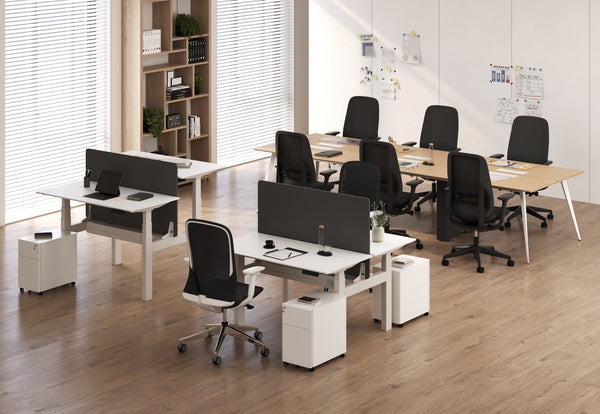 Our Conference Chairs and Meeting Tables Compared, so You Can Furnish a Huddle Room, a Meeting Room, or a Boardroom for Eight in One Order
-
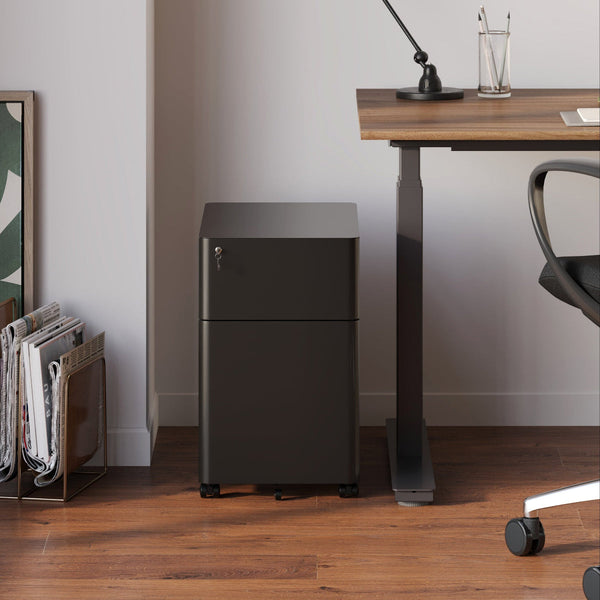 Best Filing Cabinet Options for Minimalist Offices That Still Need Real Storage
-
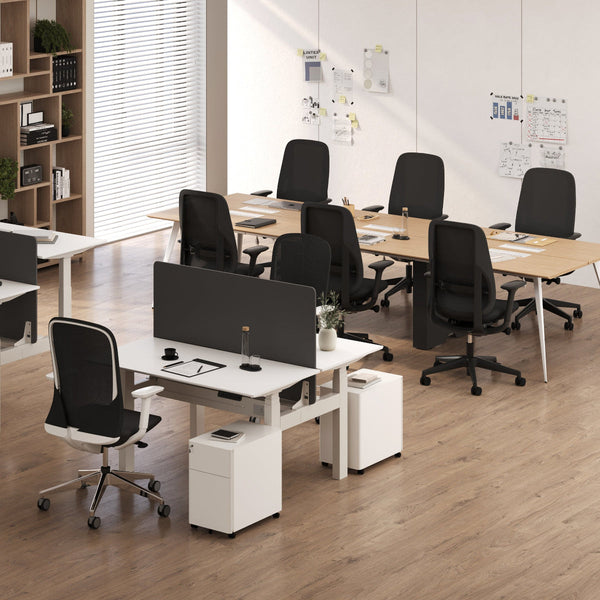 How to Make a Filing Cabinet Feel Like Part of the Room Instead of Extra Furniture
-
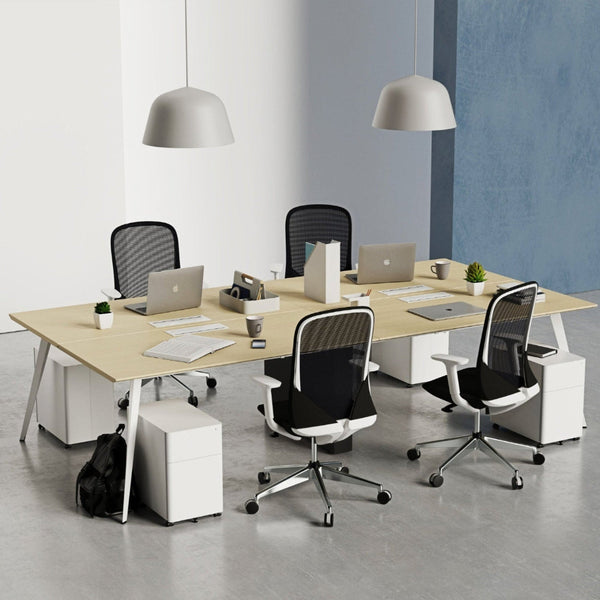 How to Match a Filing Cabinet with Your Desk for a Cleaner Office Look
-
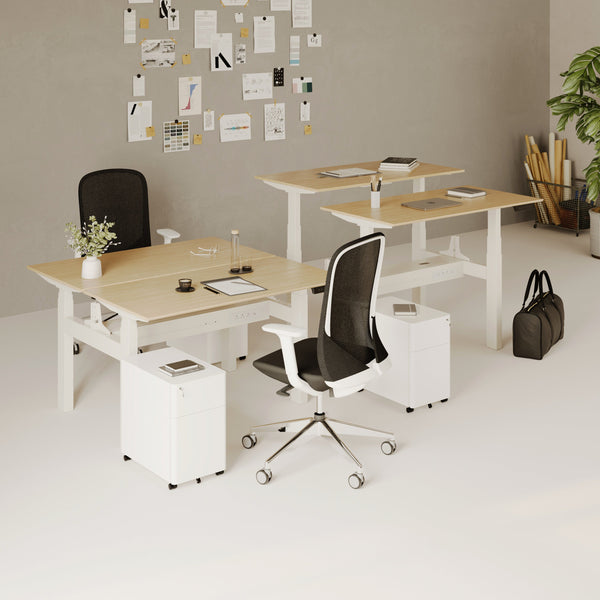 Best Filing Cabinet Styles for Modern Home Offices That Need Hidden Storage
-
 Best Laptop Stand Options for Minimalist Desk Setups
