






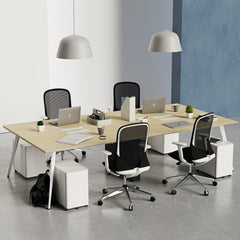
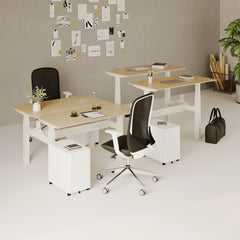
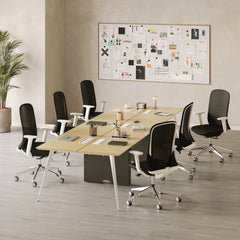


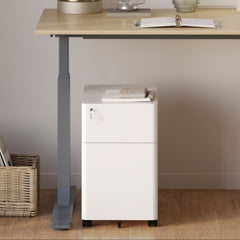


Filing Cabinet Choices for Cleaner Workstation Planning
Cleaner workstation planning starts with filing storage that matches the desk, document volume, security needs, and daily workflow. Explore how cab...
Learn more
Visit quiz page to see how we makes it easy to create an inspiring workplace


Living in a smaller home or apartment can feel limiting, especially when rooms start to feel crowded or closed in. Many people assume that making a home feel bigger requires knocking down walls or moving to a larger place. In reality, furniture choices play a far greater role than most people realize. The right furniture can visually open up a room, improve movement, and create a sense of calm and balance. The wrong choices can make even a decent-sized room feel heavy and cramped. Understanding how furniture size, shape, placement, and function affect perception is the first step toward making any home feel more spacious without sacrificing comfort or style.
One of the most common mistakes people make is choosing furniture that looks good in a showroom but overwhelms their space at home. Furniture that is too bulky draws attention to the limits of a room rather than its potential. Oversized sofas, deep desks, and thick frames can block visual flow and make walkways feel tighter than they actually are.
Smaller-scale furniture does not mean sacrificing function. It means choosing pieces that are proportionate to the room and allow light and movement to pass through more easily. Furniture with slim legs, open bases, and clean lines creates breathing room visually. When the floor is more visible, the room feels larger. When furniture hugs the ground or fills every corner, the space feels boxed in.
This principle applies not only to living rooms but also to workspaces. In homes where offices double as bedrooms or shared areas, choosing compact and efficient furniture makes a noticeable difference in how open the space feels throughout the day.
Desks are often overlooked when trying to make a home feel bigger. However, desks take up visual and physical space, especially in apartments or small homes where offices are integrated into living areas. A poorly chosen desk can interrupt the flow of a room and dominate attention.
When selecting a desk for a smaller space, prioritize:
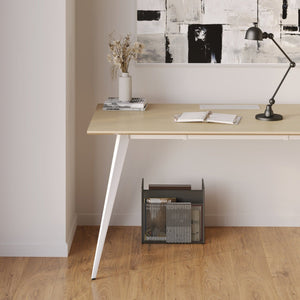
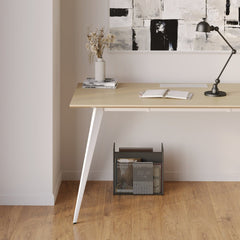
Slim edges rather than thick slabs
Open leg designs instead of enclosed panels
Neutral or light finishes that reflect light
These features help the desk blend into the room rather than compete with it.
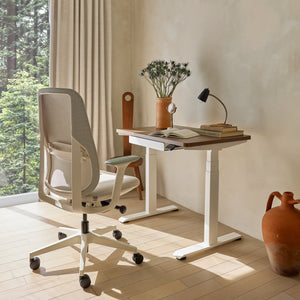
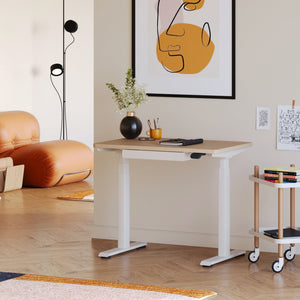
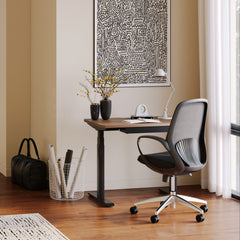
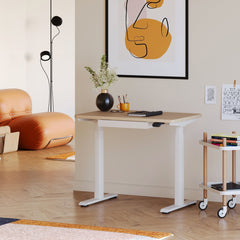
A standing desk supports flexibility in both posture and layout. Its ability to shift height allows it to adapt to different uses without requiring additional furniture. This flexibility reduces clutter and keeps the room feeling less crowded.
Many people add furniture for storage without realizing how quickly it can shrink a room visually. Heavy drawers, thick cabinets, and bulky shelving may offer storage, but they also reduce openness.
Effective work and living surfaces should:
Provide enough space for daily tasks
Avoid excessive depth that eats into walking areas
Maintain visual lightness
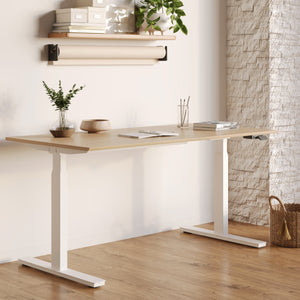
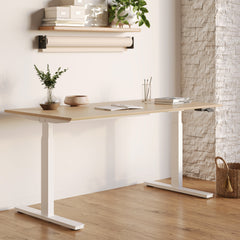
An office desk fits well in compact layouts because it offers usable surface space without unnecessary bulk. When furniture feels intentional rather than oversized, the room feels more organized and open.
A room does not need to be empty to feel big, but it does need to feel intentional. Furniture that encourages clutter creates visual noise, which makes a space feel smaller. Open layouts combined with thoughtful furniture placement reduce mental and visual stress.
Research on decluttering and mental clarity shows that organized environments support focus and relaxation. Furniture that integrates storage subtly helps maintain this balance without adding visual weight. When fewer objects compete for attention, the room feels calmer and more expansive.
Accessories and add-ons are important, but they should not overwhelm a room. Large attachments or poorly placed features can interrupt visual flow.
Support elements should:
Blend naturally with furniture
Maintain clean lines
Avoid excessive protrusions
Using ergonomic arm support improves comfort while keeping the setup visually streamlined. When comfort features stay subtle, they enhance function without shrinking the room.
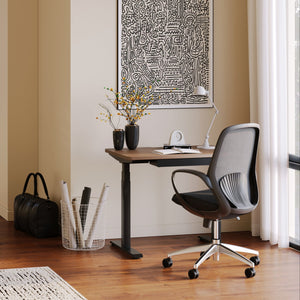
Seating is one of the most visually dominant elements in a room. Chairs with thick backs, wide arms, and heavy frames can make spaces feel closed in. Lighter seating options with breathable designs help preserve openness.
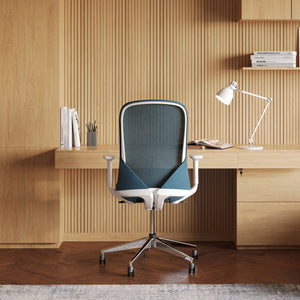
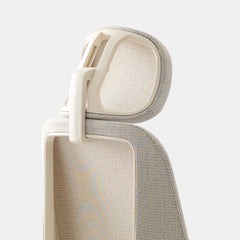
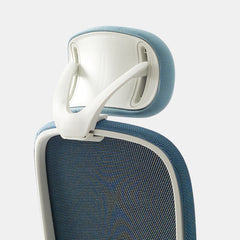
A supportive office chair balances comfort with a clean profile. Seating that supports posture while remaining visually light contributes to a room that feels open even when fully furnished.
|
Furniture Type |
Visual Impact |
Space Efficiency |
Best Placement |
|
Slim desk |
Low |
High |
Shared living areas |
|
Adjustable desk |
Medium |
High |
Multi-use rooms |
|
Lightweight chair |
Low |
Medium |
Home offices |
|
Open-leg furniture |
Very low |
High |
Small apartments |
|
Enclosed storage |
High |
Low |
Limited use only |
Placement matters as much as furniture choice. Even well-designed pieces can shrink a room if placed poorly.
Effective layouts include:
Leaving clear walking paths
Avoiding wall-to-wall furniture
Allowing light to pass between pieces
Furniture that respects natural movement patterns helps rooms feel larger and more comfortable to use.
In homes where every square foot matters, choosing adaptable furniture becomes essential. Compact desks and seating options that serve multiple purposes reduce the need for extra pieces.
For those setting up workspaces in limited areas, Los Angeles Office Chair fits well into smaller rooms while supporting daily comfort without visual heaviness.
Making a home feel bigger is not about owning less furniture. It is about owning the right furniture.
Before finalizing any purchase, use this checklist:
Does this piece fit the scale of the room?
Does it allow light and movement to flow?
Does it reduce clutter rather than add to it?
Can it serve more than one purpose?
Will it still feel comfortable over time?
When furniture supports both function and visual balance, even the smallest home can feel open, calm, and welcoming.
Furniture does not exist in isolation. It interacts constantly with light and color, and together they influence how large or small a room feels. Even well-chosen furniture can feel overwhelming if it clashes with lighting conditions or wall colors. Understanding this relationship helps maximize space without changing the room’s actual size.
Light-colored furniture reflects natural and artificial light, allowing brightness to travel across the room. This reflection creates depth, making walls appear farther apart. Dark furniture, while stylish and dramatic, absorbs light and can visually pull the room inward if overused. This does not mean dark furniture should be avoided, but it should be balanced with lighter surroundings.
Natural light plays an especially important role. Furniture placed directly in front of windows blocks light flow and reduces the feeling of openness. Lower-profile pieces placed near windows preserve brightness and keep sightlines open. When light moves freely, the room feels calmer and more spacious.
Color harmony also matters. Furniture that complements wall colors rather than competing with them creates visual continuity. When the eye moves smoothly from one surface to another, the space feels uninterrupted and larger overall.
A room that allows easy movement will always feel bigger than one filled with obstacles. Furniture placement should support natural walking paths and daily routines. When movement feels effortless, the space feels open and usable.
Crowded layouts force people to navigate around furniture, creating tension and discomfort. This subconscious stress makes rooms feel smaller than they are. Clear pathways, especially near entrances and high-traffic areas, immediately improve spatial perception.
Furniture with slimmer profiles helps maintain these pathways without sacrificing function. Raised legs, open bases, and compact footprints reduce visual weight and make floors more visible. Visible floor space tricks the brain into reading the room as larger.
Flexibility is another key factor. Furniture that can shift easily or serve multiple purposes prevents rooms from feeling locked into one function. This adaptability supports daily movement and keeps spaces from feeling tight or restrictive.
Many homes feel small not because of size, but because of accumulated furniture over time. Buying pieces that barely fit often leads to replacement, storage issues, or clutter. Each added item slowly reduces usable space.
Choosing furniture with long-term flexibility helps avoid this problem. Pieces that work in different rooms or adapt to changing needs remain useful longer. This reduces unnecessary purchases and keeps spaces lighter.
Quality also plays a role. Well-made furniture ages better and is less likely to be replaced quickly. Fewer replacements mean fewer layout disruptions and less visual noise.
Ultimately, a spacious home is not about having less furniture, but about having the right furniture. Thoughtful choices made with long-term use in mind protect space, improve comfort, and keep rooms feeling open for years.


You have unlocked free shipping!
You're saving $29 and unlocked free shipping!
Leave a comment