



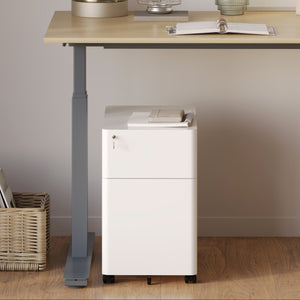






















Filing Cabinet Choices for Cleaner Workstation Planning
Cleaner workstation planning starts with filing storage that matches the desk, document volume, security needs, and daily workflow. Explore how cab...
Learn more
Visit quiz page to see how we makes it easy to create an inspiring workplace


A laptop stand can make a workstation feel cleaner, more intentional, and easier to use. It can raise the screen, free up desk space, and help a laptop fit into a more permanent work setup. But a stand can also create new comfort problems when it is chosen or positioned without considering the rest of the workstation.
The most common laptop stand mistakes are rarely dramatic. They usually show up as small habits: typing with raised shoulders, leaning toward the screen, twisting slightly to one side, tilting the display to escape glare, or reaching around clutter every few minutes. Each issue may seem minor at first, but repeated over a full workday, these small compromises can make the setup feel less comfortable than it should.
A better laptop stand setup is not only about lifting the computer. It is about aligning the screen, keyboard, mouse, desk, lighting, chair, and nearby tools so the body does not have to keep compensating. That is why the right setup often feels simple. The screen is easy to see, the hands land naturally, the laptop stays stable, and the surrounding workspace supports the way work actually happens.
A laptop stand is useful because it addresses one of the laptop’s biggest built-in limitations: the screen and keyboard are attached. When the laptop sits flat on a desk, the screen is usually too low for comfortable viewing. Raising the laptop can bring the display closer to eye level, but it also raises the built-in keyboard and trackpad.
That tradeoff is where many laptop stand mistakes begin. A stand can improve the viewing angle while making hand position worse. It can make the desk look organized while pushing the screen too far away. It can create a cleaner layout while placing the laptop off-center. It can even make lighting problems more noticeable if glare forces the user to tilt the display into an awkward angle.
A stand such as an adjustable laptop stand in Walnut or Light Oak can be a helpful part of an ergonomic setup because adjustability gives the user more control over screen position. Still, the comfort benefit depends on how the stand works with the rest of the workstation.
A laptop workstation is a chain of connected choices. Screen height affects neck position. Keyboard height affects shoulders and wrists. Desk depth affects eye comfort and reach. Lighting affects screen angle. Chair height affects arm support. Nearby accessories affect how often the body twists, reaches, or shifts.
When one part of that chain is ignored, the stand may not deliver the comfort people expect. The goal is not to create a perfect-looking desk. The goal is to create a setup that keeps the body in a relaxed, natural position during the tasks performed most often.
A laptop stand setup that feels fine for 15 minutes may not feel comfortable after several hours. Short sessions can hide poor wrist angles, screen distance problems, or subtle neck rotation. Longer work exposes these issues because the body repeats the same position again and again.
That is why laptop stand comfort should be judged during real work, not just by how the desk looks after setup. Writing, video calls, research, design work, spreadsheets, and casual browsing can all place different demands on the same laptop stand.
The most common laptop stand mistake is placing the laptop on a stand and continuing to type directly on the built-in keyboard for long periods. The screen may look better, but the hands are now working at a height that was not meant for sustained typing.
When the keyboard rises, the shoulders may lift slightly. The wrists may bend upward. The forearms may hover without support. Over time, these small changes can create fatigue in the shoulders, wrists, hands, and upper back.
A comfortable typing position usually keeps the shoulders relaxed, elbows close to the body, and wrists near neutral. When the keyboard is too high, the user may compensate by shrugging, bending the wrists, or leaning forward. The laptop stand may have solved the screen-height problem, but it has created a hand-position problem.
This is especially noticeable during writing-heavy work. Someone who mostly watches videos or joins short calls may not notice the issue right away. Someone who types for hours will likely feel the difference much sooner.
A more comfortable setup separates viewing height from typing height. The laptop can sit on the stand so the screen is easier to see, while an external keyboard and mouse stay on the desk surface where the hands can rest more naturally.
This arrangement gives the stand a clearer role. It supports the screen. The desk surface supports the hands. The external keyboard and mouse allow the body to stay more relaxed while the laptop display remains elevated.
Before assuming the stand is the problem, check the way the hands feel while typing:
1. Shoulders should not feel lifted or tense.
2. Elbows should stay close to the body rather than flaring outward.
3. Wrists should not bend sharply upward.
4. Forearms should not feel like they are floating in the air.
5. Hands should not fatigue faster than usual during normal typing.
If several of these signs appear, the laptop may be too high for direct typing, even if the screen height feels comfortable.
A laptop stand does not exist by itself. It sits on a desk, and the desk determines how much room is available for viewing distance, keyboard placement, mouse movement, lighting, notebooks, and other work tools.
One stand may feel comfortable on a deep desk but cramped on a smaller surface. Another may work well in a minimal setup but feel crowded once a keyboard, mouse, lamp, and documents are added. The stand’s footprint and position should make sense for the actual desk being used.
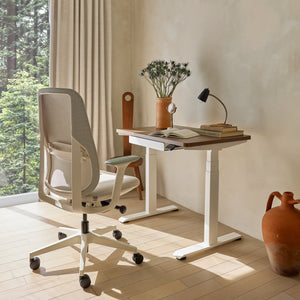
A collection of desks built for ergonomic work setups can help frame this decision more clearly because the desk surface, not only the stand, shapes the entire laptop experience.
On a shallow desk, the laptop stand may sit too close to the user. This can make the screen feel visually intense, especially during reading or detailed work. The user may lean back to create distance, push the keyboard into an awkward spot, or angle the laptop to make more room.
A cramped surface also affects the mouse and keyboard. If the keyboard is too close to the edge, the wrists may lack support. If the mouse area is narrow, the shoulder may tense during repeated movements.
A deep desk can create the opposite problem. If the laptop stand is placed too far back, the screen may become difficult to read. The user may lean forward, lose back support, or crane the neck toward the display.
This often happens gradually. The chair starts in a comfortable position, but the body slowly shifts toward the screen. By the end of the work session, the user may be perched at the front of the chair without realizing it.
A laptop stand position should be tested with the full setup in place. Put the laptop, keyboard, mouse, lamp, notebook, phone, charger, and any daily items on the desk. Then check whether the screen is centered, the keyboard is reachable, and the mouse has enough room.
A good desk layout should support work without constant rearranging. If every task requires moving objects out of the way, the stand may be competing with the workspace rather than improving it.
Different types of work require different screen relationships. A video call, a writing session, a spreadsheet review, and casual browsing may not all feel best at the same height and angle.
A fixed position can still work well, but it should be chosen around the tasks that happen most often. When the laptop stand is set once and never reconsidered, the user may end up adapting to the setup instead of letting the setup support the work.
For video calls, users often want the camera closer to face level. This can create more natural framing and reduce the feeling of looking down into the camera. For long reading or writing sessions, however, a slightly different tilt or viewing distance may feel better.
The mistake is assuming that the best camera position is automatically the best working position. A laptop used mainly for calls may need one arrangement. A laptop used mainly for writing or analysis may need another.
Not every workstation needs a tall laptop lift. Some users only need a modest rise to improve airflow, create a cleaner angle, or fit a laptop into a compact work surface. For shared desks, hybrid work, or smaller spaces, a lightweight slim laptop stand may be more appropriate than a larger setup.
A lower-profile stand can also work well when the laptop is used as a secondary screen beside a main monitor. In that case, the goal may not be to make the laptop the primary display. The goal may be to keep it visible, stable, and easy to reference without dominating the desk.
Laptop stand comfort is not only about posture. Lighting can make a well-positioned screen feel uncomfortable if glare, reflections, or harsh contrast get in the way.
When people struggle to see the display clearly, they often change their posture before they change the lighting. They tilt the screen, lean forward, turn the laptop sideways, or raise their chin. These adjustments can undo the comfort benefits of using a stand.
A window, overhead fixture, or bright lamp can reflect on the laptop screen. To escape the reflection, the user may tilt the display too far forward or backward. The stand may still be stable, but the viewing angle becomes awkward.
This is one reason a laptop stand should be positioned after checking the room’s light sources. The best height may not feel comfortable if the screen is fighting glare throughout the day.
Good lighting helps the work surface remain visible without turning the screen into a mirror. A lamp placed too directly at the display can create reflections. A lamp placed thoughtfully to the side can help illuminate the desk while reducing the need to lean or squint.
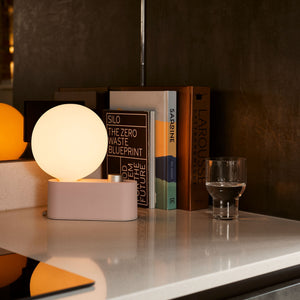
A multi-use Alumina lamp can fit naturally into this part of the setup because lighting placement often determines whether the laptop stand feels comfortable during focused work.
A laptop stand setup should be tested under different lighting conditions:
1. Check whether the screen reflects a window or lamp.
2. Notice whether the display feels too bright compared with the room.
3. Look for shadows across the keyboard or notebook area.
4. Confirm that the screen can stay at a comfortable angle without glare.
5. Adjust light placement before changing posture to compensate.
A visually balanced desk is not always a body-friendly desk. Many setups place the laptop stand to one side because it looks better beside books, lamps, trays, or decorative objects. That can be fine when the laptop is used occasionally, but it becomes a comfort issue when the laptop is the main screen.
If the user spends hours looking slightly left or right, the neck and shoulders may carry that rotation all day. The discomfort can be subtle at first because the angle is small. Over time, the repeated twist becomes more noticeable.
When the laptop is the primary display, it should generally sit in line with the user’s torso. The nose, sternum, keyboard, and screen should share the same working lane. This does not require rigid perfection, but it does prevent the body from constantly turning toward the display.
Centering the laptop also helps the hands land more naturally on the keyboard and mouse. When the screen is off to one side but the keyboard is centered, the body receives mixed signals. The eyes face one direction while the hands work in another.
With two screens, the main screen should usually sit directly in front of the user. The secondary screen can sit to the side if it is used for reference, chat, calendars, or music. Problems appear when both screens are treated equally and the user rotates between them all day.
For a laptop on a stand beside a monitor, the laptop should serve a clear role. If it is the primary display, center it. If it is secondary, place it where it can be glanced at without repeated neck strain.
A laptop stand cannot fix every workstation problem. It cannot correct a chair that sits too low, a desk that is too high, a mouse placed too far away, or lighting that creates constant glare. It can support better screen position, but it works best when the surrounding furniture and accessories also support comfort.
This is where laptop stand decisions become part of a larger workspace conversation. The most comfortable setups usually come from matching the stand with a desk, chair, lighting, and storage choices that fit the way people work.
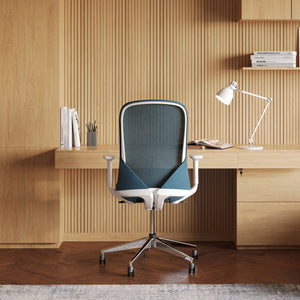
For teams, studios, home offices, or private workspaces, ergonomic and modern office furniture support can help connect individual accessories with the broader workstation environment.
If the chair is too low, the desk may feel too high, which can make the keyboard and mouse uncomfortable even when the laptop screen is placed well. If the chair is too high, the user may lose stable foot contact or feel pressure under the legs.
A laptop stand setup should be adjusted after the sitting position is reasonably comfortable. The body should not have to rise, slump, or lean just to make the screen usable.
A common scenario looks like this: the laptop is elevated, the desk looks cleaner, but the user still feels neck or shoulder tension. The problem may not be the stand itself. The laptop might be slightly off-center. The keyboard might be too far forward. A window might be reflecting on the screen. The chair might sit at the wrong height for the desk.
The solution is systematic. Center the screen. Bring the keyboard and mouse within easy reach. Adjust lighting. Confirm that the chair and desk support relaxed arm position. The stand becomes more effective when it is part of a complete setup rather than a standalone fix.
A laptop stand should look good on the desk, but style should not override basic function. If the stand wobbles, blocks access to ports, crowds the keyboard, or makes everyday items harder to reach, the setup may feel less comfortable despite looking cleaner.
The best workstation design feels calm because it is easy to use. Nothing important is awkwardly placed. Nothing frequently used is buried behind the laptop. Nothing forces repeated twisting or stretching.
A wobbly stand can change user behavior. People may type more cautiously, avoid touching the laptop, or tense their hands when adjusting the screen. Even small instability can make the setup feel less grounded.
Stability matters most when the laptop is adjusted often or when the user occasionally uses the built-in trackpad. A stable setup gives the body fewer reasons to brace or hesitate.
Charging cables, notebooks, pens, phones, and task lights should support the laptop setup rather than interfere with it. Cables should not pull the laptop sideways. Frequently used items should sit in a comfortable reach zone. Occasional-use items can move farther away.
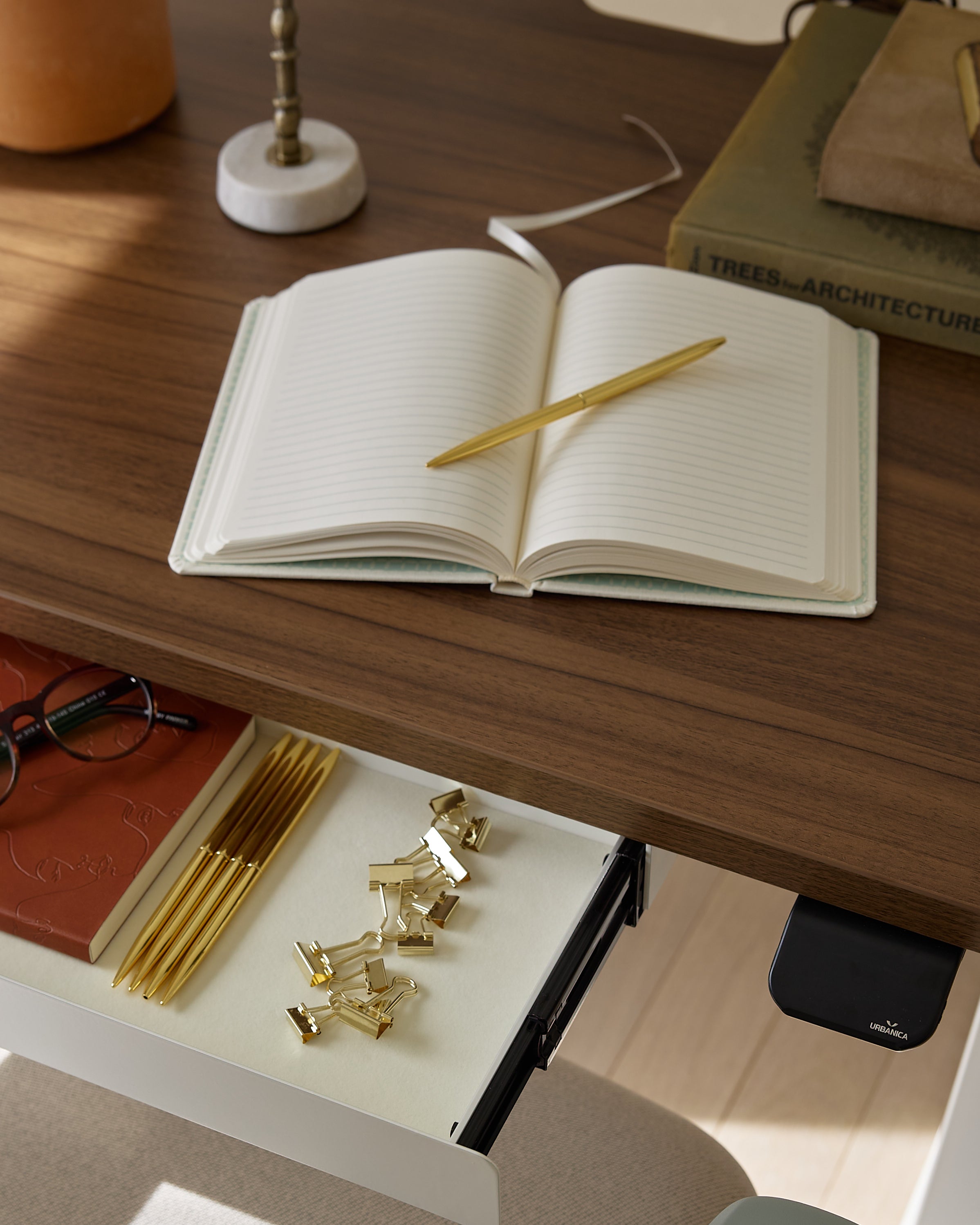
A thoughtful selection of office accessories for a more organized workstation can help reduce clutter around the laptop stand, but the goal should always be practical organization rather than adding more objects to the desk.
Laptops generate heat during use, and the setup should avoid trapping unnecessary warmth around the device. A stand should allow the laptop to sit securely without surrounding it with clutter, papers, or objects that block normal ventilation areas.
This is not about promising performance improvements. It is about keeping the workspace sensible and avoiding preventable crowding around a device used for long stretches of work.
A laptop stand setup that feels fine during the day may feel different at night. Lower ambient light can make the screen seem harsher. Reflections can become more obvious. The user may lean closer, squint, or change the screen angle without realizing it.
Evening work often reveals lighting problems that daylight hides. When the laptop screen becomes the brightest object in the room, the eyes may work harder, and the body may drift toward the display.
A small table lamp can help soften the contrast between the screen and the surrounding room. The goal is not to flood the desk with light. The goal is to make the workstation feel visually balanced enough that the user does not keep leaning into the laptop.
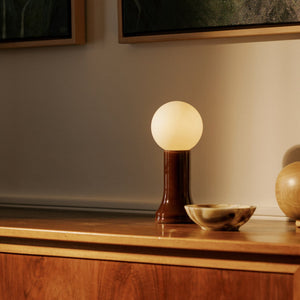
A recycled glass Shore table lamp belongs naturally in this conversation because a table lamp can support a more comfortable evening desk environment while also contributing to the overall workspace setting.
A comfortable evening laptop setup usually comes from small adjustments. Lower harsh overhead lighting if it creates glare. Add softer light near the work area. Reduce strong reflections around the screen. Keep the laptop centered. Move shiny objects or bright surfaces that reflect into the display.
The stand should remain part of the same comfort system. Screen height, lighting, and body alignment still need to work together, even when the room changes from daytime brightness to evening conditions.
A laptop stand position is personal. Height, chair settings, desk height, screen size, vision needs, work habits, and body proportions all affect comfort. A position that works well for one person may be too high, too low, too close, or too far for someone else.
This matters especially in shared spaces. A shared desk or office setup should be easy to reset. Without a simple adjustment habit, each person may inherit a stand position that was comfortable for someone else but not for them.
A taller user may need more lift to bring the display into a comfortable viewing range. A petite user may need less height to avoid looking upward. Chair height and desk height also change the relationship between the eyes, hands, and screen.
The right position should keep the neck relaxed. The user should not need to tilt the chin up or down dramatically to read the screen. The eyes should move comfortably across the display without the head doing all the work.
Someone who writes all day may need a different setup than someone who spends most of the day on calls. A designer using a second monitor may use the laptop differently than a student reading documents. A person who moves between rooms may value portability and quick setup more than a highly fixed workstation.
The best laptop stand setup reflects the dominant work pattern. Comfort comes from supporting what happens most often, not from copying a setup that looks good in a photo.
A practical way to test a laptop stand is to observe the body after a focused work session:
1. Is the neck still relaxed after reading?
2. Are the shoulders lower than the ears, or have they crept upward?
3. Are the wrists straight, or are they bent back?
4. Has the body leaned toward the screen?
5. Is the laptop still centered with the torso?
6. Has glare caused the screen angle to change?
7. Are frequently used items easy to reach?
This audit helps reveal whether the setup works during real use, not just during initial arrangement.
| Laptop Stand Mistake | Why It Makes the Setup Less Comfortable | Better Setup Choice |
|---|---|---|
| Typing on the raised laptop keyboard | Raises the hands and can strain wrists or shoulders | Use an external keyboard and mouse at desk height |
| Ignoring desk depth | Places the screen too close or too far away | Match stand position to the desk surface and viewing distance |
| Keeping one angle for every task | Fails to support calls, reading, typing, and reference work equally | Adjust height, tilt, or placement based on the main task |
| Overlooking glare | Forces awkward screen tilts and leaning | Improve light placement before changing posture |
| Placing the laptop off-center | Creates repeated neck rotation | Align the main screen with the torso |
| Expecting the stand to fix the whole setup | Leaves chair, desk, lighting, and reach problems unresolved | Build a complete workstation around the stand |
| Choosing style over function | Can create wobble, clutter, or poor access | Balance clean design with stability and practical reach |
| Ignoring evening conditions | Makes screen contrast and eye fatigue more noticeable | Use softer lighting and reduce harsh reflections |
A laptop stand works best when it supports a clear relationship between the body and the screen. The stand should help the display sit where the eyes can view it comfortably. The keyboard and mouse should sit where the hands can work without strain. The desk should provide enough room for distance, movement, and daily tools. Lighting should make the screen easier to see without causing glare.
Comfort improves when the setup stops asking the body to compensate. There is less leaning, less twisting, less reaching, and less adjusting. The laptop starts to feel less like a temporary compromise and more like a workstation that can support focused, comfortable work.
Use this final check before settling into work:
1. The screen sits at a comfortable viewing height.
2. The keyboard and mouse stay at relaxed elbow height.
3. The laptop is centered with the body when used as the main display.
4. The desk depth allows a natural viewing distance.
5. Lighting reduces glare instead of forcing screen tilts.
6. Daily accessories are easy to reach without crowding the laptop.
A laptop stand should make the workstation easier to use, not just taller or neater. When screen height, hand position, desk proportions, lighting, and reach all work together, comfort becomes more consistent across the workday. The result is a laptop setup that feels steady, natural, and ready for the way people actually work.


You have unlocked free shipping!
You're saving $29 and unlocked free shipping!
Leave a comment