















How to Choose Furniture for Open-Plan Workspaces
Why Furniture Matters in Open-Plan Office Design
The open-plan office has become a symbol of modern workplace culture. Companies embraced the design to encourage collaboration, increase flexibility, and reduce barriers between teams. Yet what often determines whether this environment thrives or struggles is not the floor plan itself but the furniture chosen to fill it.
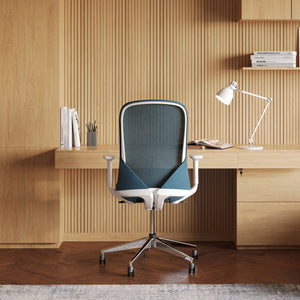
Furniture in open offices plays multiple roles. It influences the atmosphere, guides how employees interact, and even dictates how efficiently teams can work. An uncomfortable chair or poorly placed table can quickly lead to frustration, whereas the right ergonomic seating, such as the Ergonomic Novo Chair, can directly improve posture, focus, and overall employee satisfaction.
The Role of Furniture in Office Culture
Furniture shapes company culture in subtle yet powerful ways. A workplace with lounge areas and casual seating suggests a culture of openness and creativity. A space with refined finishes and ergonomic task chairs conveys professionalism and care for employee well-being. Every chair, desk, and accessory becomes part of the unspoken language that communicates values.
Employee Productivity and Comfort
Discomfort has a hidden cost. Employees working in poorly designed environments often report fatigue, reduced focus, and higher absenteeism. By contrast, workplaces that invest in adjustable chairs, modular desks, and supportive layouts see measurable gains in productivity. One midsized agency that revamped its open office with ergonomic seating and movable storage reported fewer complaints of back pain and greater afternoon energy among staff.

Key Considerations Before Selecting Workspace Furniture
Balancing Collaboration with Privacy Needs
One of the main criticisms of open offices is the lack of privacy. Employees need spaces where they can focus, as well as areas where collaboration flourishes. Smart furniture strategies make this possible. Accessories such as acoustic panels, room dividers, and modular partitions reduce noise and visual distractions without undermining openness. The office accessories collection provides flexible solutions that address these challenges.
Acoustic Solutions for Open Floors
Noise pollution is a constant issue in large open spaces. Ceiling baffles, felt desk dividers, and fabric-covered screens absorb sound while adding texture and color to the office design.
Furniture for Semi-Private Corners
High-back lounge seating, enclosed pods, and movable privacy booths allow teams to create focus zones on demand. These additions provide balance without reverting to cubicle-style isolation.
Space Optimization for Different Team Sizes
Furniture must adapt as businesses grow. Static, oversized desks can quickly limit flexibility. Modular and mobile furniture ensures that layouts remain scalable.
Furniture That Expands With Growth
Stackable chairs, nesting tables, and desks on wheels enable rapid reconfiguration for training, team projects, or expansion.
Floor Plan Layout Examples
-
Small offices (10–20 employees): shared tables and portable storage
-
Medium offices (50–100 employees): modular desks, lounge zones, collaborative hubs
-
Large offices (100+ employees): defined “neighborhoods” for different departments, multiple social and quiet areas
Aesthetic Consistency and Brand Identity
A consistent visual style helps reinforce company identity. Cohesive finishes and textures create a professional impression for both employees and visiting clients.
Trends in Modern Office Aesthetics
Biophilic design introduces greenery and natural textures, Scandinavian minimalism emphasizes simplicity, and bold accent furniture brings energy into otherwise neutral spaces.
How Furniture Communicates Values
Eco-conscious companies invest in sustainable, FSC-certified woods or recycled metals, sending a clear signal about their environmental responsibility. Tech firms may opt for sleek modular furniture that reflects innovation and agility.
Choosing the Right Chairs for Open Workspaces
Ergonomic Essentials in a Collaborative Environment
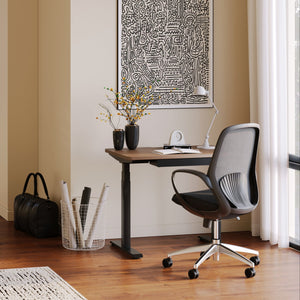
Chairs are the backbone of workplace comfort. An ergonomic chair supports lumbar health, allows adjustability, and uses breathable materials. The Ergonomic Onyx Chair offers customizable adjustments suited for open environments where employees move frequently.
Health Benefits of Ergonomic Seating
Proper support reduces musculoskeletal strain, enhances circulation, and helps employees maintain focus throughout the day.
Aesthetic Versus Practical Chair Choices
Attractive chairs make a strong design statement, but usability should never be compromised. Practicality and comfort need to come first, with design as a complement.
Task Chairs vs. Collaborative Seating
Task chairs support individual desk work, while collaborative seating accommodates group discussions and casual meetings. Both are necessary in a balanced open plan. The wide range of office chairs allows businesses to furnish all areas of the workspace.
Lounge Zones in Open Workspaces
Couches, benches, and soft seating create informal gathering points. These zones are particularly useful for quick brainstorming sessions or social breaks.
Rotational Seating Strategies
Hot-desking and shared spaces benefit from rotational seating options. Chairs that can be moved, adjusted, and shared reduce territorial behavior and keep the office flexible.

Desks and Workstations That Adapt to Open Layouts
Height-Adjustable and Sit-Stand Solutions
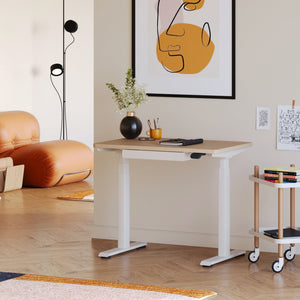
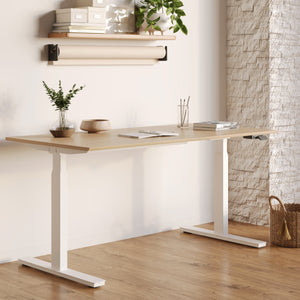
Sit-stand desks are no longer a luxury; they are an essential part of wellness-oriented office design. Alternating between sitting and standing reduces fatigue and promotes movement.
Best Placement for Sit-Stand Desks
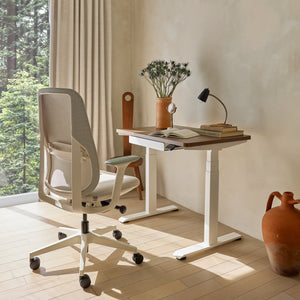
Placing adjustable desks near windows encourages natural light use while spreading them across the office prevents crowding in one area.
Integrating Tech With Desks
Built-in power outlets, charging docks, and cable management systems ensure that desks support digital workflows without adding clutter.
Shared Tables and Modular Desk Systems
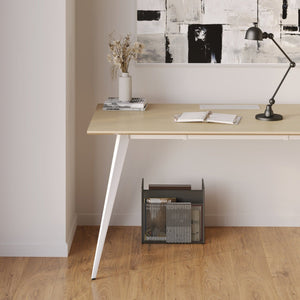
Shared desks are excellent for project-based work, while modular systems provide the ability to reconfigure spaces when team sizes change. The modern office desks collection offers solutions tailored to these needs.
Pros and Cons of Shared Tables
| Feature | Shared Tables | Individual Desks |
|---|---|---|
| Collaboration | Excellent | Moderate |
| Privacy | Limited | High |
| Cost Efficiency | High | Moderate |
| Flexibility | Moderate | Moderate |
Desks That Support Hybrid Work
Desks designed with movable parts or folding components transition easily from collaborative meetings to focused solo sessions.
Storage and Organization in Minimalist Layouts
Open offices benefit from clutter-free design. Smart storage ensures that workspaces remain organized without breaking the clean aesthetic.
Storage Comparison Table
| Storage Type | Key Benefits | Best Use Case |
|---|---|---|
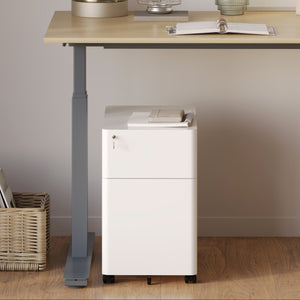
| Under-desk pedestals | Space-saving, personal | Individual desks |
| Rolling cabinets | Portable, flexible | Team resources |
| Wall-mounted shelving | Vertical storage | Shared supplies |
Integrating Storage With Desks
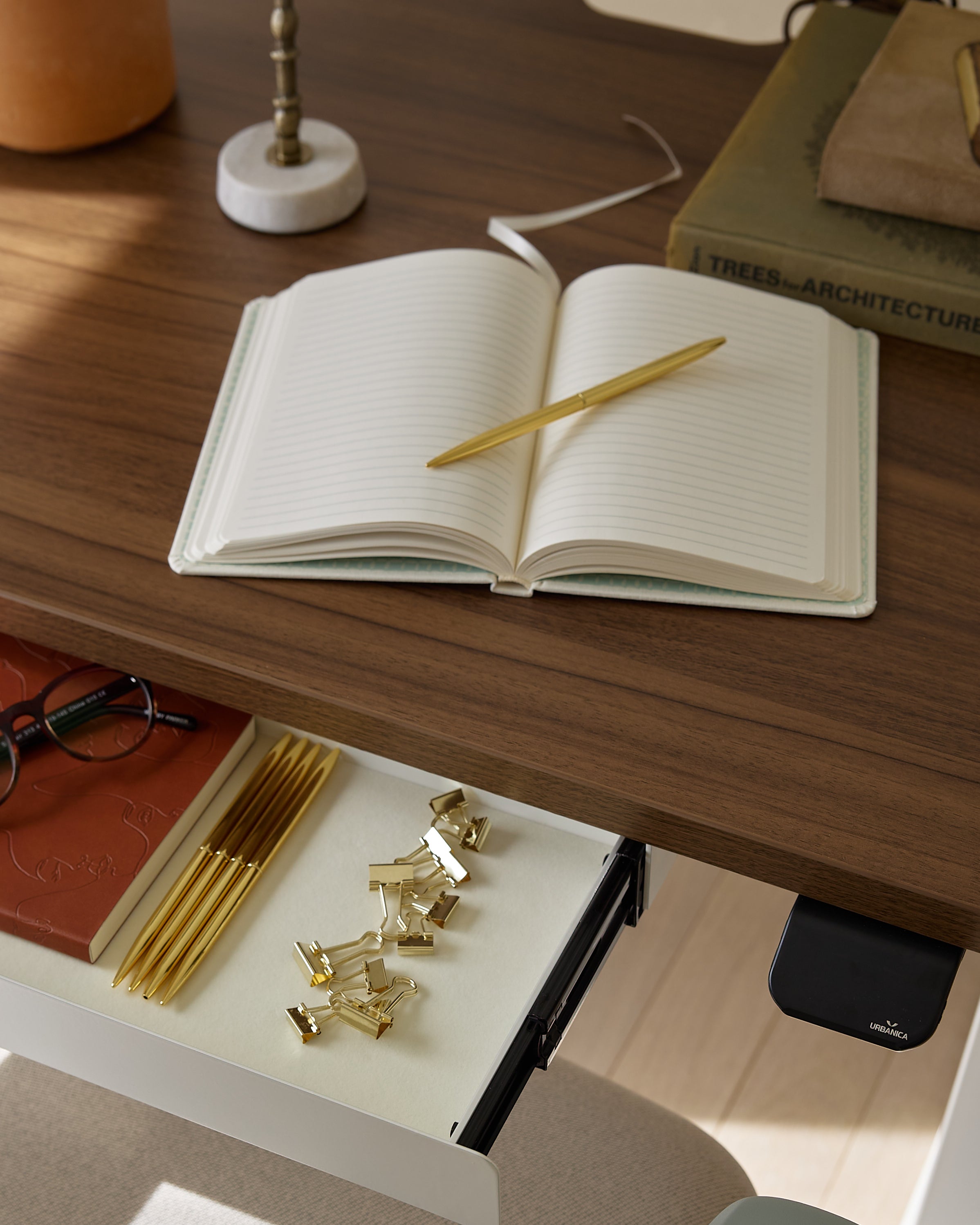
Multi-functional pieces, such as desks with built-in drawers or benches with hidden compartments, maximize efficiency in minimalist environments.
Enhancing Collaboration Through Accessories and Layouts
Acoustic Panels, Dividers, and Lighting Additions
Accessories play an outsized role in open-plan effectiveness. Acoustic panels soften noise, and thoughtful lighting reduces eye strain. The workspace accessories line includes flexible add-ons that address these concerns.
Lighting Solutions for Open Workspaces
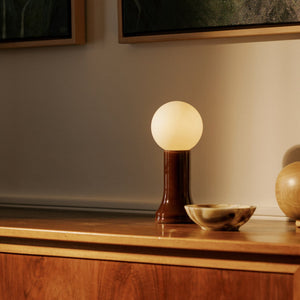
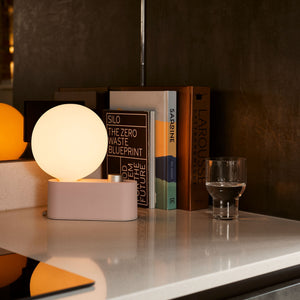
Layered lighting strategies combine natural light, task lamps, and ambient fixtures to reduce glare and create balance.
Portable and Flexible Dividers
Freestanding dividers can be rearranged to redefine office layouts, offering the flexibility to create new zones without permanent construction.
Zones and Neighborhoods Within Open Plans
Creating multiple zones allows employees to select an environment suited to their tasks, whether they need quiet focus or active collaboration.
Furniture Zoning Examples
-
Sofas and soft seating for lounges
-
Tall communal tables for group discussions
-
Enclosed pods for confidential calls or deep work
Flow and Circulation in Open Layouts
A well-designed space avoids congestion. Pathways should allow employees to move fluidly between zones, supporting both planned and spontaneous interactions.
Meeting Safety and Standards in Furniture Choices
Safety is non-negotiable. Every piece of furniture must meet durability and compliance standards to protect employees and reflect company professionalism. Organizations can refer to the BIFMA standards overview for guidance.
Why Standards Build Workplace Trust
Certified furniture assures employees that their environment is safe and reliable, while signaling to clients that the company invests in quality.
Checklist for Furniture Compliance
-
Fire resistance in fabrics and materials
-
Verified stability for chairs and desks
-
Use of certified, sustainable components
Industry Examples of Certified Products
Leading manufacturers integrate certifications into product design, ensuring that safety and durability align with style and innovation.

Practical Tips for Making Final Furniture Decisions
Start with Employee Input and Workflows
Employee surveys and pilot projects provide direct insights into what works best. Observing workflows reveals whether teams need more privacy or collaboration spaces.
Testing Furniture in Phases
Trial periods allow organizations to evaluate comfort and usability before making large-scale investments.
Factor in Long-Term Flexibility and Growth
Furniture must evolve with the company. Modular and reconfigurable designs help businesses avoid costly overhauls in the future.
Investing in Versatile Furniture Pieces
Desks on wheels, seating with interchangeable parts, and mobile shelving units ensure adaptability for years to come.
Create a Balanced Mix of Comfort and Style
The most effective workspaces blend ergonomic support with aesthetic appeal. Both elements work together to foster pride and satisfaction in the office.
Common Pitfalls to Avoid
-
Focusing only on style at the expense of comfort
-
Overinvesting in statement furniture that lacks everyday utility
How Smart Furniture Choices Shape the Future of Open-Plan Workspaces
The future of the open-plan office lies in adaptability, wellness, and sustainability. Furniture will continue to serve as the bridge between design and employee experience.
Sustainability and Eco-Friendly Materials
Organizations are increasingly selecting FSC-certified woods, recycled metals, and low-VOC finishes. These choices align with corporate sustainability goals while improving indoor air quality.
The Role of Technology in Future Furniture
Smart furniture is emerging. IoT-enabled desks that track usage, lighting that adjusts automatically, and acoustic systems that adapt in real time are becoming part of forward-thinking designs.
Hybrid Work and Furniture Flexibility
As hybrid work remains the norm, offices must provide spaces that support both in-person collaboration and quiet individual focus. Modular setups make these transitions seamless.
Leave a comment