























Furniture Designs Shaping Spaces This Year
This year’s furniture trends focus on comfort, flexibility, and everyday use. Discover modern designs that support healthier living and smarter wor...
Learn more
Visit quiz page to see how we makes it easy to create an inspiring workplace

Creating a mobile office setup is both a design challenge and a statement of modern independence. It reflects how work has evolved beyond fixed spaces and rigid routines into something adaptive, intentional, and human-centered. A mobile workspace must be more than portable; it must be intelligent, ergonomic, and deeply attuned to its user’s habits, values, and creative rhythm. This guide explores the full architecture of building a workspace that moves with you, combining design psychology, ergonomics, sustainability, and technology to craft an environment that amplifies focus and well-being wherever you are.

In the last decade, work has broken free from its physical anchors. High-speed internet, lightweight devices, and a global freelance economy have made location independence not just possible but desirable. The mobile office embodies this evolution by translating the comforts of a fixed environment into portable design solutions. It bridges the gap between home, travel, and creativity—removing geography as a barrier to productivity.
Today’s professionals are not merely seeking convenience. They are designing lives that blend purpose, well-being, and efficiency. The mobile office is a reflection of this mindset shift: minimal, ergonomic, and infused with intention. It emphasizes conscious consumption, sustainability, and flexibility—the principles defining the modern creative economy.
Every effective workspace begins with how it supports the human body. Posture alignment, balance, and micro-movements influence energy levels and cognitive performance. According to CDC’s ergonomic best practices, properly designed furniture prevents long-term strain and improves focus through movement diversity. Chairs with dynamic backrests, adjustable arms, and breathable fabrics maintain posture integrity during prolonged sessions.
A truly mobile setup is engineered around movement. Every component must fold, collapse, or reassemble quickly without sacrificing strength. The ideal materials—powder-coated steel, engineered wood, or recycled aluminum—balance lightness and rigidity. This design logic extends beyond the physical: the user’s workflow should also feel modular, with flexible systems that adapt to different spaces and time zones.
Visual clarity improves cognitive flow. Clutter creates noise, both visually and mentally. A mobile workspace benefits from minimalist design that emphasizes balance and spatial breathing room. Each object serves a defined purpose. This is not aesthetic restraint—it is functional liberation, turning focus into a natural state.
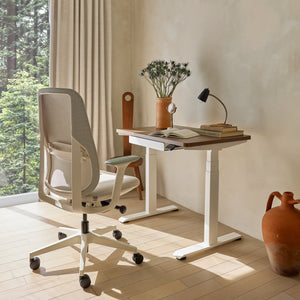
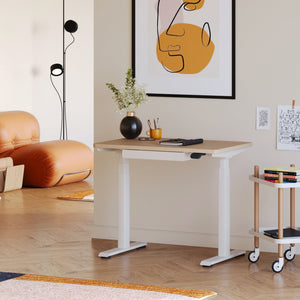
A workspace begins with its foundation: the desk. The mini standing desk represents the perfect intersection of mobility and ergonomics, offering flexible height adjustment within a small footprint. Compact desks encourage posture variety, prevent stagnation, and optimize small rooms, studio apartments, or mobile homes. Their adaptability transforms any corner into a command center.
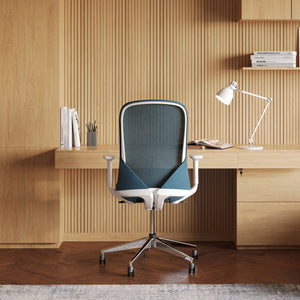
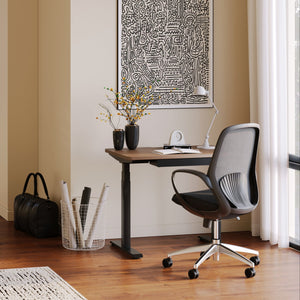
Comfort determines creative endurance. The ergonomic Novo chair supports dynamic posture transitions, while the ergonomic Onyx chair brings elevated craftsmanship and stability to mobile environments. Both are designed for longevity, using breathable mesh and smart adjustability that keep the spine aligned through long creative sessions.
In mobile work-life integration, aesthetics matter as much as mechanics. The Muse chair blends sculptural design with function, making it ideal for hybrid setups that double as social spaces. The Seashell chair adds artistic flair to minimalist interiors, balancing visual warmth with ergonomic sensibility.
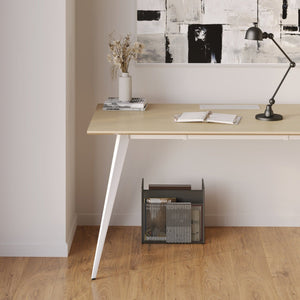
For professionals with a permanent home base, a stable focal point reinforces balance. A classic office desk provides that anchor—durable, timeless, and adaptable to changing workflows. Combining it with mobile accessories like folding side tables and cable hubs creates an ecosystem that transitions seamlessly between static and nomadic work modes.

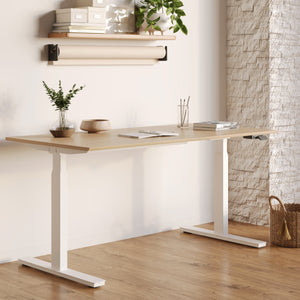
Productivity thrives on rhythm, not rigidity. A mobile desk layout should alternate between sitting, standing, and stretching intervals. Integrating a standing desk encourages circulation, cognitive alertness, and physical balance. The 45-15 cycle—forty-five minutes of focused work followed by fifteen minutes of motion—reduces fatigue and enhances creativity.
Light determines mood and focus. Prioritize natural light, supplemented by adjustable LEDs between 4000K and 4500K for alertness. In low-light conditions, clip-on lamps or rechargeable strips provide consistent illumination without bulk. Diffused lighting reduces glare and complements reflective materials like aluminum or tempered glass, maintaining visual comfort during long hours.
Power organization is the invisible backbone of a mobile workspace. Invest in multi-port chargers, power banks, and retractable cables. Label cords with color-coded ties and store them in a compact pouch. Efficient cable routing not only saves time but reinforces the mental clarity essential for mobile professionals.
Modern mobile offices rely on lightweight but powerful hardware. Ultrabooks, foldable monitors, and wireless keyboards reduce clutter while increasing adaptability. Devices should support multitasking without sacrificing portability. Prioritize those that offer high battery endurance and universal connectivity.
Hotspots, routers, and 5G-ready devices form the backbone of constant connection. Noise-canceling headsets and external microphones ensure high-quality communication in any environment. Portable storage drives and cloud synchronization tools allow effortless transitions between spaces without data loss.
Solar chargers and battery banks are indispensable for extended mobility. Opt for compact solar panels that can charge laptops or mobile stations. This not only supports energy independence but aligns with the sustainability values defining contemporary work culture.
Design is emotional. Textures and colors influence motivation, calm, and creativity. Soft-touch finishes, natural woods, and matte metals create tactile warmth, while neutral tones like sage, stone, and charcoal foster focus. Visual consistency across furniture pieces establishes coherence, turning impermanence into intentionality.
Reducing sensory clutter improves performance. Use a single focal point in your layout, such as a framed art piece or a plant, to ground attention. Avoid reflective distractions and overstimulating palettes. When everything within view has purpose, cognitive energy is reserved for meaningful work.
Every mobile worker faces spatial constraints. Layouts must flex to fit micro-apartments, hotel rooms, or camper vans. Use vertical height for storage rather than floor spread. Stackable modules and fold-flat systems increase capacity without occupying visual space. Lightweight partitions or textiles can redefine zones within minutes.
The mobile office must acclimate to climate, lighting, and acoustics. Cooling cushions, portable fans, and absorbent wall panels help maintain comfort in changing conditions. Collapsible shades or reflective screens control glare, making outdoor work practical and inviting.
Example Adaptations
| Environment | Adaptation | Purpose |
|---|---|---|
| Café workspace | Compact laptop stand, privacy screen | Focus and discretion |
| Van office | Foldable desk, solar charger | Energy independence |
| Shared coworking area | Noise-canceling headset, portable divider | Reduced distractions |
The future of design lies in renewability. Sustainable woods, low-VOC finishes, and recyclable metals reduce environmental impact while maintaining durability. Pieces such as the office desk showcase this philosophy through craftsmanship that endures a decade or more.
Circular design extends furniture life cycles. Components that can be disassembled, repaired, or repurposed ensure long-term value. Instead of disposable consumption, this approach transforms ownership into stewardship.
Flat-pack and modular designs minimize shipping emissions. Reusable packaging, efficient logistics, and local production models reinforce responsible consumption while keeping costs practical.
Material Sustainability Comparison
| Feature | Sustainable Option | Common Option | Advantage |
|---|---|---|---|
| Primary Material | Bamboo or recycled steel | MDF or plastic | Renewable and low emissions |
| Finish | Non-toxic varnish | Chemical lacquer | Healthier indoor air |
| Durability | 10–15 years | 3–5 years | Extended life cycle |
| Disposal | Fully recyclable | Landfill waste | Reduced carbon footprint |
A mobile office setup should nurture mental recovery. Incorporate cues that transition you from work to rest: soft lighting, curated playlists, or a small ritual of decluttering at the end of each session. The physical act of organizing becomes symbolic of mental reset.
Nature enhances cognitive function and emotional balance. Small potted plants, bamboo textures, or natural light can reduce stress and improve creativity. Biophilic design reconnects the human nervous system with organic forms, transforming temporary work zones into nourishing environments.
A well-designed mobile workspace grants freedom of choice. It removes dependency on location, giving professionals control over where and how they perform their best work. This autonomy translates directly into satisfaction, motivation, and longevity in creative fields.

An illustrator who works between Amsterdam and Tokyo maintains a workspace built around a single compact desk, a foldable chair, and a portable lamp. The minimal design keeps her agile while preserving her visual identity through neutral tones and natural light balance.
A consultant in New York alternates between a home studio and client spaces. His design centers on adaptability: a collapsible workstation, rechargeable devices, and an ergonomic chair that fits neatly into his car trunk. He reports higher productivity and lower stress through simplicity.
A design couple shares a small apartment but alternates work hours. They use lightweight dividers, portable lighting, and modular shelves to transition between personal and collaborative work. The setup demonstrates how thoughtful design sustains harmony in compact, shared environments.
The next generation of mobile furniture will merge with digital intelligence. Chairs will monitor posture and send feedback to wearable devices. Desks will adjust height automatically through embedded sensors. Integration between furniture and data will redefine ergonomic precision.
Eco-conscious materials and lifecycle transparency will become standard. Modular systems will allow products to evolve alongside their owners, reducing waste and increasing emotional connection to design.
Geographic diversity will continue to shape design aesthetics. Scandinavian simplicity, Japanese minimalism, and Mediterranean warmth are converging into a global visual language for mobility—one that celebrates both individuality and universality.
A mobile office is not a temporary fix but an expression of how work, creativity, and lifestyle intersect. It embodies adaptability, discipline, and design sensitivity. Building one begins with self-awareness: understanding your habits, movement, and visual preferences. From there, every choice from the mini standing desk to the ergonomic novo chair becomes part of a broader narrative about how you want to live and create.
Mobility is no longer about escape; it is about intention. The modern workspace moves with you, evolves with you, and ultimately reflects who you are when work and life are in perfect balance.


You have unlocked free shipping!
You're saving $29 and unlocked free shipping!
Leave a comment