



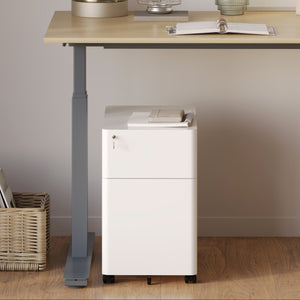






















Filing Cabinet Choices for Cleaner Workstation Planning
Cleaner workstation planning starts with filing storage that matches the desk, document volume, security needs, and daily workflow. Explore how cab...
Learn more
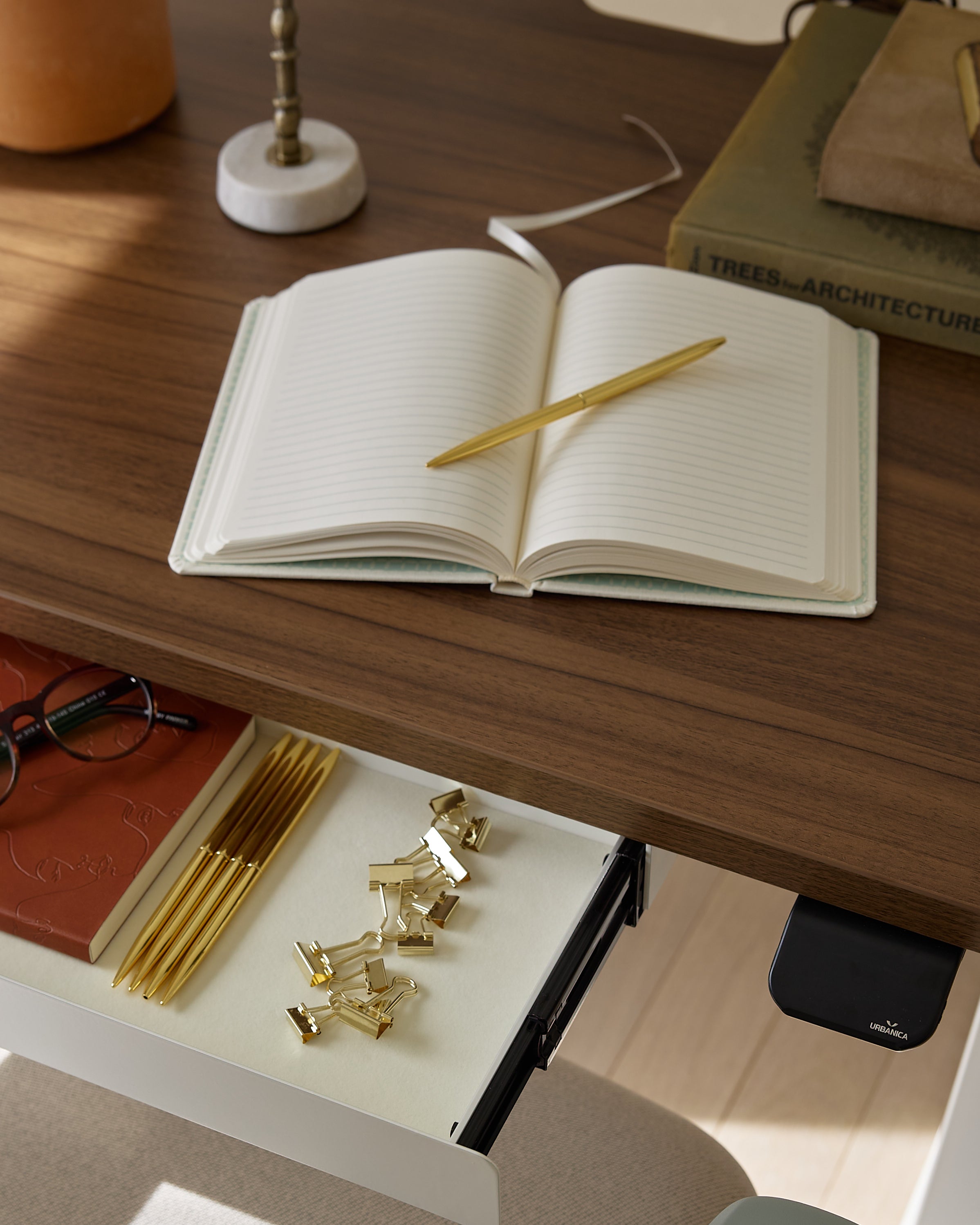
Visit quiz page to see how we makes it easy to create an inspiring workplace


Furniture trends change every year, but the most successful designs do more than follow what looks good on social media. This year’s trending furniture designs focus on comfort, flexibility, and how people actually live and work. As homes double as offices and spaces need to adapt quickly, furniture is becoming smarter, softer, and more intentional. From work surfaces to seating, today’s designs balance style with function, making everyday life feel easier and more natural.
Furniture trends today are shaped by lifestyle changes rather than pure aesthetics. More people work from home, spend longer hours seated, and expect furniture to support health and productivity. As a result, designs now focus on usability, adaptability, and long-term comfort.
Instead of bulky or purely decorative pieces, current trends lean toward furniture that fits real spaces. Clean forms, flexible layouts, and ergonomic thinking define what is popular this year. The goal is not just to decorate a room, but to improve how it feels and functions day after day.
Minimal, well-proportioned designs remain a top trend. Furniture with simple shapes feels lighter and easier to place in different spaces.
Clean lines age better than overly detailed styles. They blend into changing interiors and work well with different decor updates.
Popular simple-design elements include:
Smooth surfaces with minimal detailing
Neutral colors that feel calm and flexible
Furniture that looks balanced from every angle
This trend reflects a desire for calm spaces that reduce visual clutter and support focus.
One of the strongest furniture trends this year is adaptability. Furniture is no longer static. It adjusts to different tasks and users.
People now expect furniture to support both focused work and movement. Adjustable designs allow users to switch positions without changing rooms.
Trending adaptive furniture often includes:
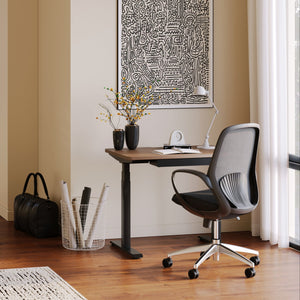
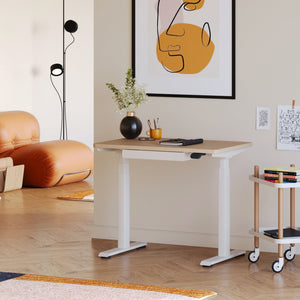
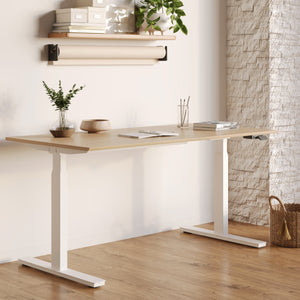
Adjustable height work surfaces
Designs that support sitting and standing
Compact layouts that fit small spaces
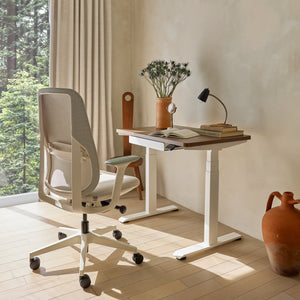
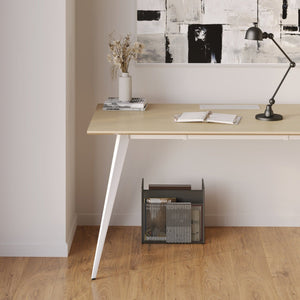
A height-adjustable desk fits perfectly into this trend, while a clean and stable work table remains a popular choice for structured daily tasks.
Comfort has moved from being a bonus to being a requirement. This year’s furniture designs reflect the understanding that discomfort affects mood, health, and productivity.
Designers are prioritizing cushioning, posture support, and proportions that feel natural. Research on posture, sitting, and physical well-being shows that poorly designed furniture can affect long-term health. Studies on how seating and posture influence the body support the shift toward comfort-focused design.
Furniture that feels good to use quickly becomes the furniture people keep.
Work tables are no longer hidden in spare rooms. They are part of the home’s main living areas, which means design matters more than ever.
Trending work tables combine visual appeal with practical function. They look intentional rather than temporary.
This year’s popular work table designs often include:
Clean silhouettes that blend into living spaces
Durable surfaces for daily use
Sizes that fit modern homes and offices
For buyers exploring Office Table California options, the focus is clearly shifting toward tables that balance design presence with everyday comfort and usability.
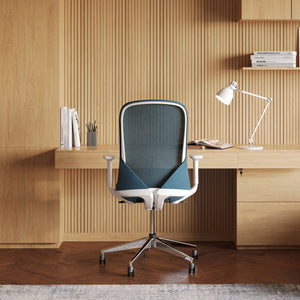
Seating trends this year emphasize softness without losing support. Chairs are designed to feel welcoming while still supporting posture during long periods of sitting.
This balance is important. Overly soft seating can cause fatigue, while rigid seating discourages long use. Trending designs focus on structured cushioning that supports the body gently and consistently.
These seating styles work well in both home offices and shared spaces, making them versatile and future-proof.
|
Design Trend |
Why It’s Popular |
Where It Works Best |
|
Clean silhouettes |
Easy to match and timeless |
Homes and offices |
|
Adjustable furniture |
Supports movement |
Workspaces |
|
Comfort-focused seating |
Improves daily use |
Long sitting hours |
|
Neutral tones |
Reduces visual stress |
Small or shared spaces |
|
Compact proportions |
Fits modern layouts |
Apartments and home offices |
This year’s furniture designs highlight ergonomic details that were once overlooked. These features improve comfort without changing the overall look of the furniture.
Ergonomic details help furniture adapt to different users. They reduce strain and support better posture throughout the day.
Popular ergonomic features include:
Adjustable arm support for relaxed shoulders
Seating that supports natural spine alignment
Designs that encourage balanced sitting
Adding adjustable arm support for desk comfort reflects this growing focus on personalization. Seating designed with balanced posture support for daily sitting fits seamlessly into this trend.
The most important furniture trends this year are rooted in real needs. People want furniture that supports health, adapts to changing routines, and looks good without trying too hard.
These designs are not short-term fads. They reflect how people live now and how they expect furniture to perform. Pieces that combine comfort, adaptability, and simple design are more likely to remain relevant for years.
Choosing furniture based on these trends helps create spaces that feel current without becoming outdated.
Furniture trends this year point toward thoughtful living. Instead of chasing bold statements, people are choosing designs that support daily comfort and flexibility. The focus is on furniture that earns its place through function as much as style.
Before updating your space, consider this checklist:
Does this design support daily comfort and posture?
Can it adapt to different tasks or users?
Will it still feel relevant in a few years?
Does it fit naturally into the space without clutter?
Is it designed for real use, not just appearance?
When furniture aligns with how you live and work, trends become tools rather than distractions. The best designs this year prove that comfort, simplicity, and smart function never go out of style.


You have unlocked free shipping!
You're saving $29 and unlocked free shipping!
Leave a comment