



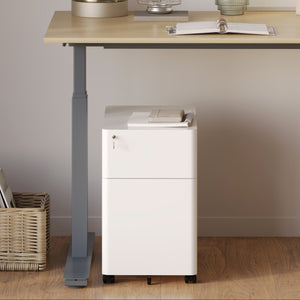



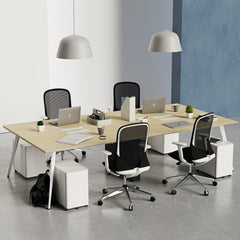
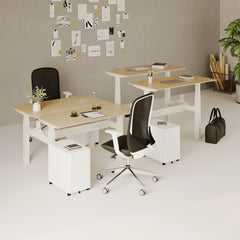
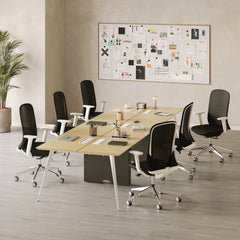


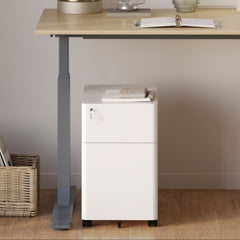


Filing Cabinet Choices for Cleaner Workstation Planning
Cleaner workstation planning starts with filing storage that matches the desk, document volume, security needs, and daily workflow. Explore how cab...
Learn more
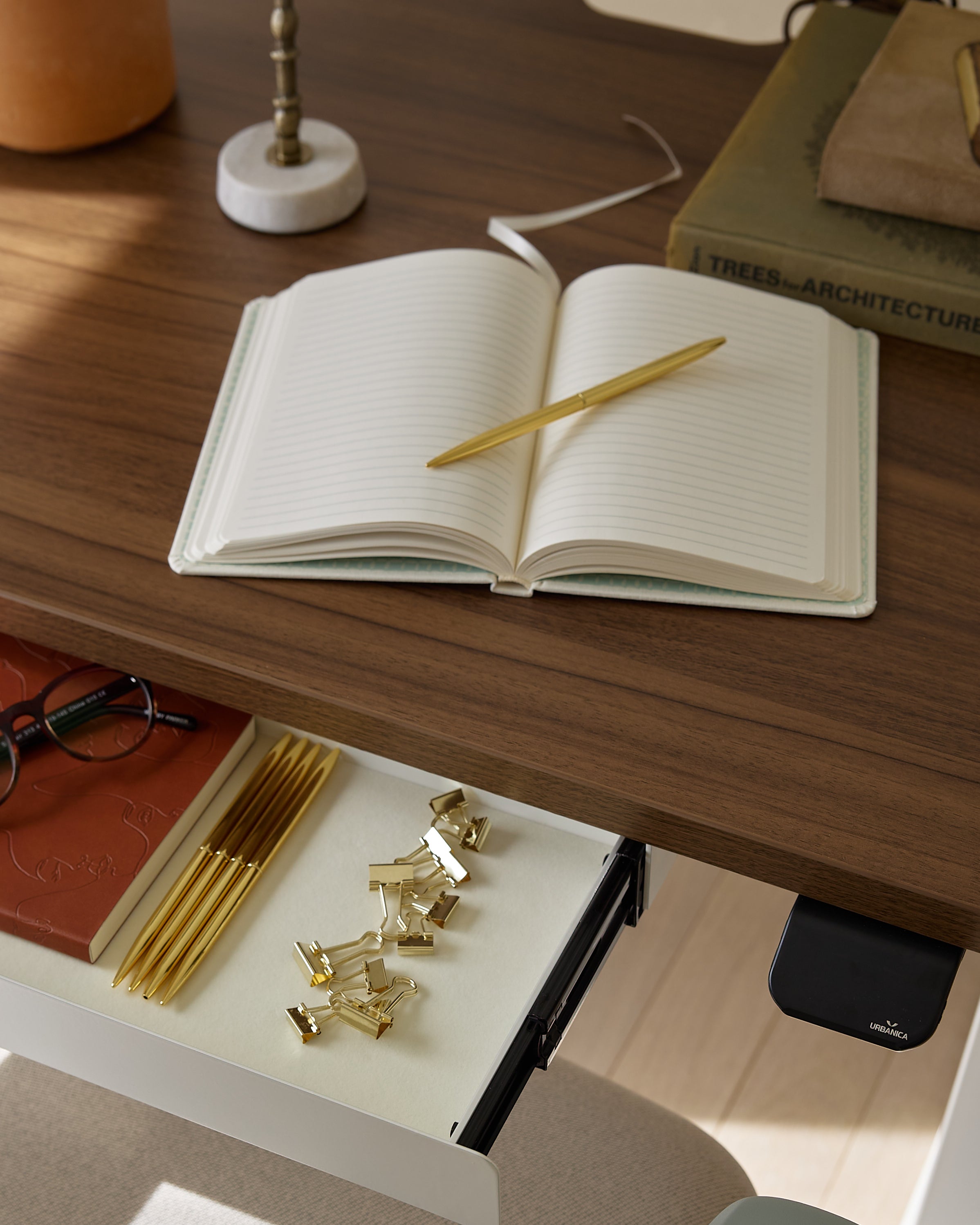
Visit quiz page to see how we makes it easy to create an inspiring workplace

 Sink In and Stay Awhile
Think about the last place where you lost track of time while sitting. It could have been a café, a waiting area, a lounge, or even your own workspace. Chances are, the seating played a major role. Soft seating has a unique ability to make people feel relaxed, welcomed, and willing to stay longer. It goes beyond looks. It affects comfort, mood, behavior, and even productivity. Understanding why soft seating works can help you design spaces where people genuinely want to linger.
Soft seating appeals to basic human comfort. When a chair or seat cushions the body properly, muscles relax and tension fades. This physical response sends a signal to the brain that the environment is safe and comfortable. As a result, people feel less rushed and more willing to remain seated.
In homes, soft seating encourages longer conversations and rest. In offices and shared spaces, it promotes focus, collaboration, and patience. Comfort removes the urge to constantly shift positions or stand up too soon. When seating feels good, time feels shorter.
Comfort is not just physical. It is psychological. When people feel supported, they are more open to staying engaged with their surroundings.
Soft seating reduces physical stress, which lowers mental stress. This creates a positive feedback loop where comfort improves mood, and good mood encourages people to stay.
Well-designed soft seating often leads to:
A sense of ease and relaxation
Reduced awareness of time
Improved focus during tasks or conversations
Higher satisfaction with the space
Research on workspace design and productivity shows that comfort plays a key role in how long people can stay engaged. Insights into how office design affects productivity highlight the connection between physical comfort and mental performance.
Soft seating is often associated with relaxation, but it is equally important in work environments. Chairs that offer gentle cushioning and proper support make long hours more manageable.
When seating supports the body, people can focus longer without discomfort. This is especially important in modern workspaces where sitting time is extended.
Effective soft seating often includes:
Balanced cushioning that does not sink too deeply
Back support that follows natural posture
Seat depth that supports legs comfortably
Materials that stay comfortable over time
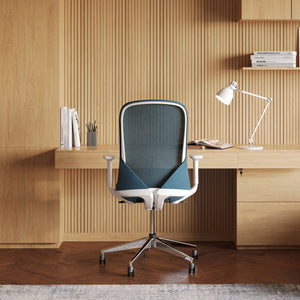
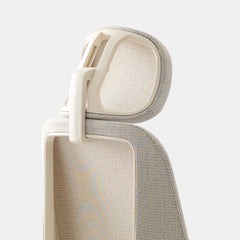
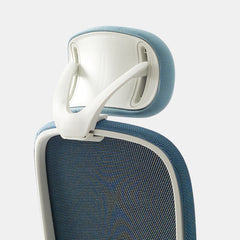
For those seeking seating that blends softness with support, options like a California Ergonomic Chair demonstrate how comfort-focused design encourages longer, healthier sitting without strain.
Soft seating naturally invites people to settle in. In shared spaces, it signals that lingering is welcome. Hard, rigid seating often sends the opposite message. Soft seating says it is okay to stay, talk, and relax.
This is why cafés, lounges, and collaborative offices rely heavily on cushioned seating. It creates an atmosphere where conversations flow more easily and connections feel natural. People are less likely to rush off when they feel physically supported.
Soft seating reaches its full potential when paired with supportive furniture around it. Desks, tables, and work surfaces influence how long someone remains seated comfortably.
A well-designed space allows people to change positions without leaving the area entirely. This balance supports both comfort and health.
Comfort-focused layouts often include:
Work surfaces that allow posture changes
Stable desks that keep essentials within reach
Clear spacing to avoid cramped seating
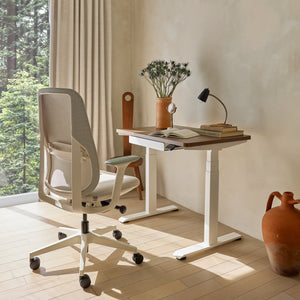
A standing desk allows people to stay in the same area while changing posture. Meanwhile, a stable desk for daily tasks complements soft seating by reducing unnecessary movement and strain.
Not all soft seating is beneficial. Seating that is too soft can lead to slouching, fatigue, and discomfort over time. The goal is balanced softness. Proper cushioning works together with structure and support.
Good soft seating supports the body while allowing it to relax. It does not force awkward positions or cause pressure points. When softness and support are balanced, people can stay seated longer without negative effects.
|
Feature |
Soft Seating |
Hard Seating |
|
Initial Comfort |
High |
Low to moderate |
|
Long-Term Sitting |
More tolerable |
Often uncomfortable |
|
Body Relaxation |
Encourages muscle relaxation |
Causes tension |
|
Time Spent Seated |
Longer |
Shorter |
|
User Experience |
Welcoming and calm |
Functional but rigid |
Small ergonomic adjustments can significantly improve how long someone stays seated comfortably. These details often go unnoticed until they are missing.
Arm and shoulder support reduce fatigue during desk work or seated tasks. Without proper support, discomfort builds quickly.
Seating setups that encourage longer use often include:
Adjustable arm support to reduce shoulder strain
Chairs that maintain posture during relaxed sitting
Features that adapt to different users
Adding monitor arm support for seated tasks improves comfort during extended use. Seating designed with balanced cushioning and posture support allows users to relax without sacrificing alignment.
When people feel comfortable, they trust the environment more. This applies to offices, waiting areas, and shared spaces. Soft seating signals care and consideration. It shows that the space was designed with people in mind.
This sense of trust encourages people to return and stay longer each time. Comfort becomes part of the identity of the space, shaping how it is remembered.
Soft seating does more than provide a place to sit. It creates an experience. When seating feels supportive and inviting, people naturally stay longer, engage more, and feel better while doing so. Comfort influences behavior quietly but powerfully.
Before choosing seating for any space, consider this checklist:
Does the seating support relaxed posture over time?
Is the cushioning balanced rather than overly soft?
Does it work well with surrounding furniture?
Are ergonomic details included for longer use?
Will people feel welcomed to stay, not rushed to leave?
When comfort leads the design, seating becomes more than furniture. It becomes a reason people choose to stay.


You have unlocked free shipping!
You're saving $29 and unlocked free shipping!
Leave a comment