























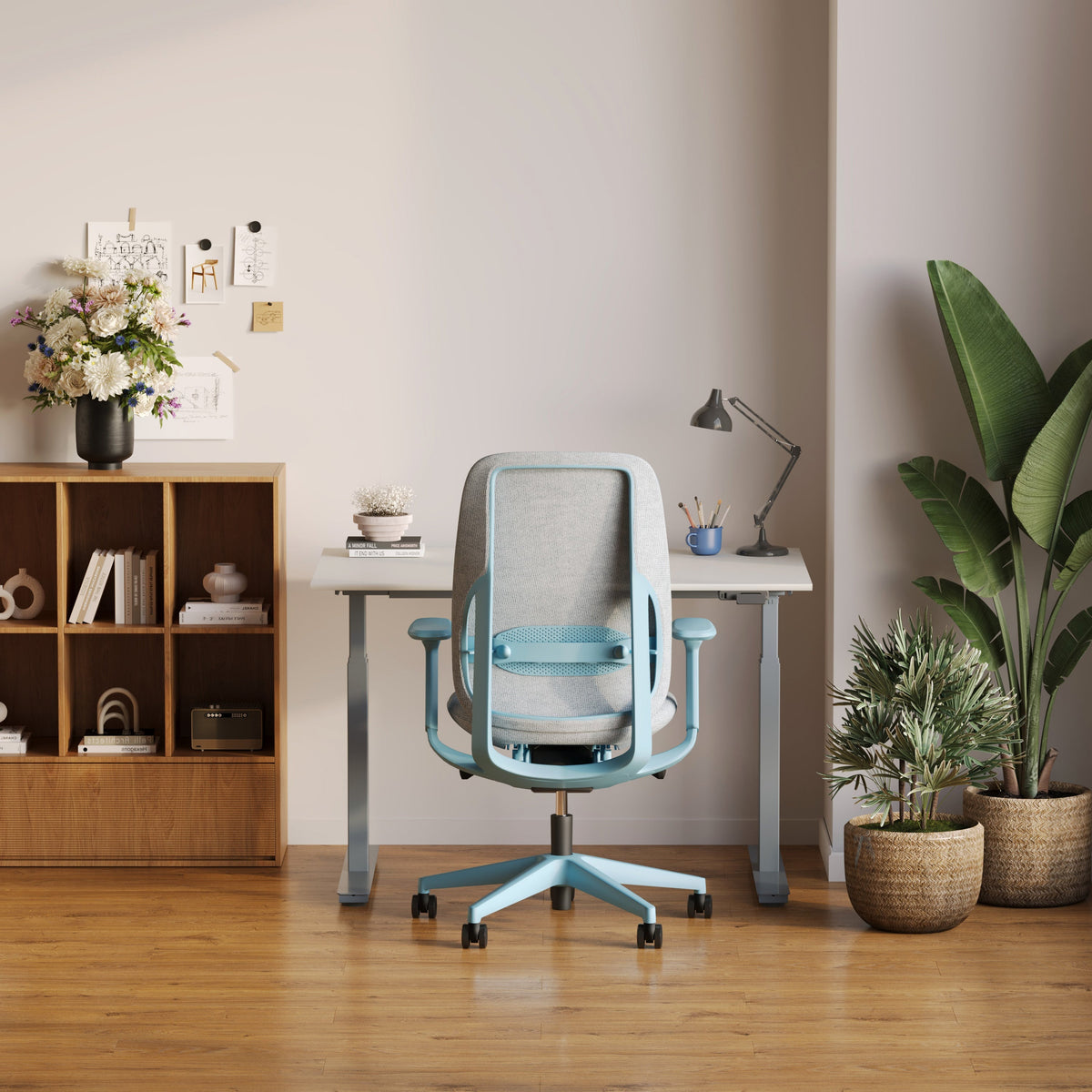
Furniture Trends Shaped by Modern Living

From Routine to Room: Furniture Trends That Follow Lifestyle Shift
Furniture trends used to follow fashion cycles. Colors changed. Materials shifted. Silhouettes evolved. Today, trends are driven by something deeper. They reflect how people actually live.
Hybrid work, compact homes, shared spaces, and a growing awareness of health have reshaped design priorities. Furniture now needs to support flexibility, movement, and long-term comfort. Instead of simply looking good, it must function well within constantly evolving routines. Modern furniture trends are not random. They are responses to real lifestyle changes.
The Home Office Revolution
One of the most visible lifestyle shifts has been the rise of home-based work. Dining tables turned into desks. Spare bedrooms became offices. Living rooms doubled as meeting spaces.
As a result, interest in adaptable solutions such as Office Furniture Los Angeles has grown significantly. People want professional setups that fit within residential spaces without overwhelming them.
This trend reflects several changes:
-
Increased remote and hybrid work
-
Desire for ergonomic support at home
-
Need for compact but functional layouts
-
Blending of personal and professional spaces
Furniture has adapted to meet these new expectations.
Movement as a Priority
Sedentary work habits have become a health concern. As awareness grows, furniture trends increasingly emphasize movement.
Height-Adjustable Workstations
A thoughtfully engineered standing desk represents this shift toward dynamic work habits.
Why Movement Is Trending
-
Greater health awareness
-
Demand for flexibility
-
Long hours spent at screens
-
Desire for increased energy
Lifestyle Benefits
-
Encourages posture changes
-
Reduces fatigue
-
Improves circulation
-
Supports focus throughout the day
Movement-driven furniture trends directly reflect the need for healthier routines.
Clean, Streamlined Work Surfaces
As work enters shared living spaces, furniture must look intentional rather than intrusive.
Minimalist and Structured Desks
A well-designed office desk balances function with aesthetic clarity.
Why Simplicity Reflects Modern Living
-
Reduces visual clutter
-
Enhances video call backgrounds
-
Fits into multipurpose rooms
-
Supports organized workflow
Long-Term Appeal
-
Timeless design
-
Adaptable finishes
-
Balanced proportions
-
Durable construction
Streamlined surfaces reflect a desire for calm in busy lifestyles.
The Psychology of Space
Furniture trends are increasingly informed by research on how environments affect mood and behavior. Studies like this interior psychology research highlight how layout and design influence productivity and emotional well-being.
People now understand that furniture placement impacts stress levels, concentration, and comfort. As a result, trends emphasize thoughtful spacing, ergonomic alignment, and balanced proportions.
Design is no longer purely aesthetic. It is psychological.
Ergonomics Becomes Standard
Ergonomic awareness has become mainstream.
Supportive Seating as a Core Feature
A high-quality ergonomic chair reflects a lifestyle that values long-term comfort.
Why Ergonomics Matters Today
-
Increased screen time
-
Long remote work hours
-
Growing posture awareness
-
Focus on preventative health
Features Driving This Trend
-
Adjustable lumbar support
-
Breathable materials
-
Stable bases
-
Height flexibility
Supportive seating is no longer optional. It reflects a health-conscious generation.
Technology Integration Without Clutter
Modern lifestyles rely on technology. Furniture must integrate screens and devices seamlessly.
An adjustable ergonomic arm elevates monitors and frees desk space. This trend reflects the need for efficient screen alignment while maintaining clean surfaces.
Technology integration trends emphasize:
-
Elevated monitors
-
Hidden cable management
-
Flexible screen positioning
-
Minimal surface interference
Furniture evolves alongside digital habits.
Lifestyle Trends Comparison Table
|
Lifestyle Change |
Furniture Trend |
Practical Outcome |
|
Remote Work |
Adjustable Desks |
Flexible routines |
|
Increased Screen Time |
Ergonomic Chairs |
Better posture |
|
Compact Living |
Streamlined Desks |
Efficient layouts |
|
Health Awareness |
Sit-Stand Solutions |
Improved movement |
|
Hybrid Schedules |
Modular Workspaces |
Adaptable environments |
Furniture trends consistently mirror lifestyle evolution.
Flexibility in Shared Spaces
Multi-Functional Living
Homes now serve multiple roles. Furniture must adapt accordingly.
Shared Space Trends
-
Compact desk footprints
-
Adjustable height systems
-
Neutral finishes
-
Modular compatibility
Why Flexibility Matters
-
Supports family routines
-
Encourages collaboration
-
Allows quick transitions
-
Reduces clutter
Flexibility reflects modern living demands.
Over Disposable Design
As sustainability becomes a priority, consumers are shifting away from fast, short-lived furniture. Trends now emphasize durability and long-term investment.
Sturdy frames, reinforced joints, and adaptable components reflect a desire for longevity. This shift mirrors growing awareness of environmental impact and financial responsibility.
Furniture trends today focus less on temporary style and more on lasting value.
The Rise of Compact Efficiency
As urban living spaces become more compact, furniture trends increasingly prioritize efficiency without sacrificing performance. Smaller apartments and shared homes require pieces that maximize functionality in limited square footage.
Smart Use of Space
Compact layouts demand intentional furniture design.
Why Compact Trends Are Growing
-
Rising urban housing costs
-
Smaller floor plans
-
Increased remote work in apartments
-
Demand for multi-functional rooms
What Defines Efficient Design
-
Slim desk profiles
-
Adjustable height options
-
Integrated cable management
-
Minimal visual bulk
Compact efficiency reflects a lifestyle focused on practicality and smart planning rather than excess.
Wellness-Centered Design
Furniture trends now strongly align with overall wellness. Beyond aesthetics, design choices increasingly support mental clarity and physical comfort.
Designing for Physical and Emotional Health
Modern furniture incorporates elements that encourage healthy posture and balanced routines.
Wellness-Focused Trends
-
Height-adjustable desks
-
Supportive ergonomic seating
-
Balanced lighting placement
-
Clear, uncluttered surfaces
Why Wellness Matters in Design
-
Reduces long-term strain
-
Improves daily productivity
-
Encourages movement
-
Supports work-life balance
Wellness-centered furniture reflects a broader shift toward preventative care and mindful living.
Personalization and Identity
As lifestyles diversify, personalization has become an important trend. Furniture now allows homeowners to tailor setups to their unique routines.
Customizable Configurations
Adaptable systems empower individuals to create spaces that reflect how they work and live.
Why Personalization Is Trending
-
Hybrid work schedules vary
-
Shared spaces require flexibility
-
Individual comfort preferences differ
-
Technology needs change over time
Benefits of Personalizable Design
-
Increased long-term satisfaction
-
Greater functional efficiency
-
Stronger emotional connection to space
-
Reduced need for frequent replacements
Furniture that supports personalization reflects the reality that no two lifestyles are identical.
Designed for the Way We Live Now
Furniture trends are not random design experiments. They are responses to real-life changes.
Use this checklist to evaluate modern furniture trends:
-
Does it support movement?
-
Is it ergonomically aligned?
-
Can it adapt to hybrid routines?
-
Does it fit compact spaces?
-
Is the design streamlined?
-
Does it integrate technology seamlessly?
-
Is it built for durability?
-
Does it reduce clutter?
-
Does it reflect your daily habits?
-
Will it remain relevant as routines evolve?
Modern furniture reflects modern life. By choosing pieces that align with evolving routines, you create a home that supports productivity, comfort, and adaptability in equal measure.
Related Articles
-
 Our Conference Chairs and Meeting Tables Compared, so You Can Furnish a Huddle Room, a Meeting Room, or a Boardroom for Eight in One Order
-
 Best Filing Cabinet Options for Minimalist Offices That Still Need Real Storage
-
 How to Make a Filing Cabinet Feel Like Part of the Room Instead of Extra Furniture
-
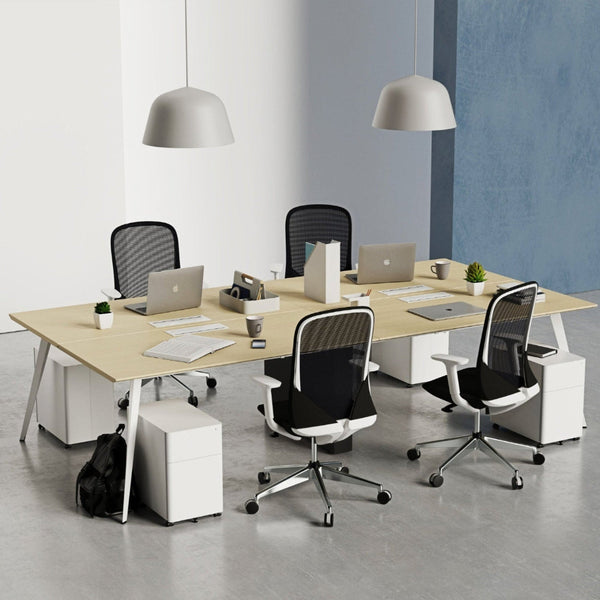 How to Match a Filing Cabinet with Your Desk for a Cleaner Office Look
-
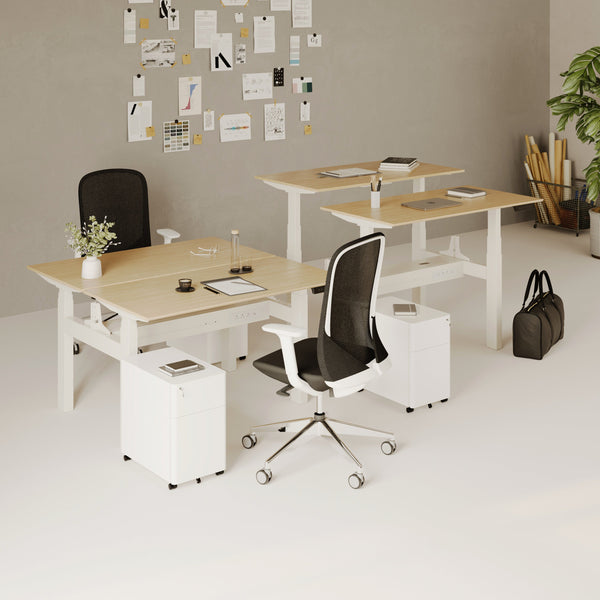 Best Filing Cabinet Styles for Modern Home Offices That Need Hidden Storage
-
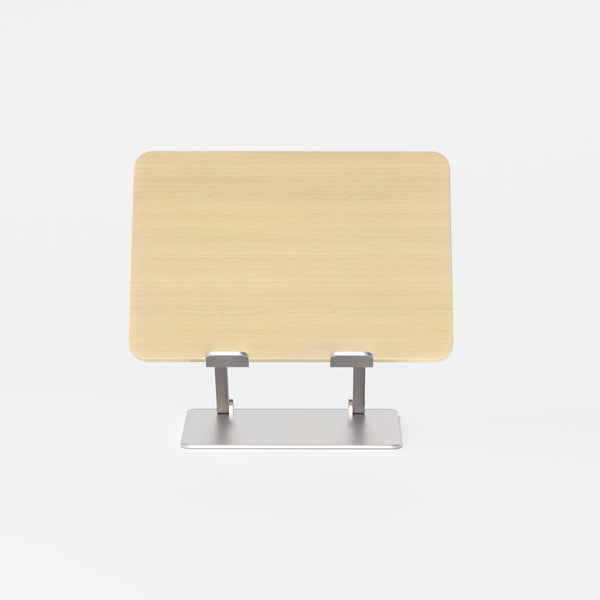 Best Laptop Stand Options for Minimalist Desk Setups
