


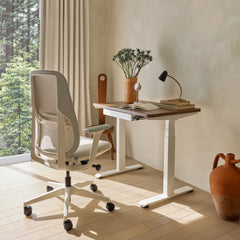
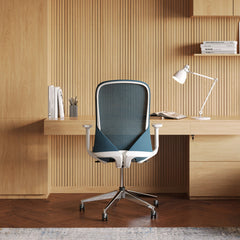

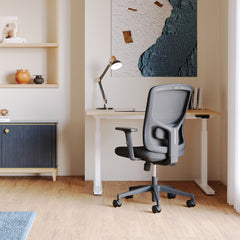
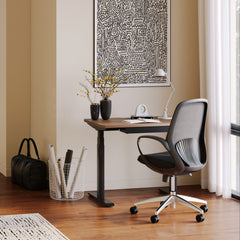





Furniture Trends Defining Modern Offices

How Office Design Is Evolving
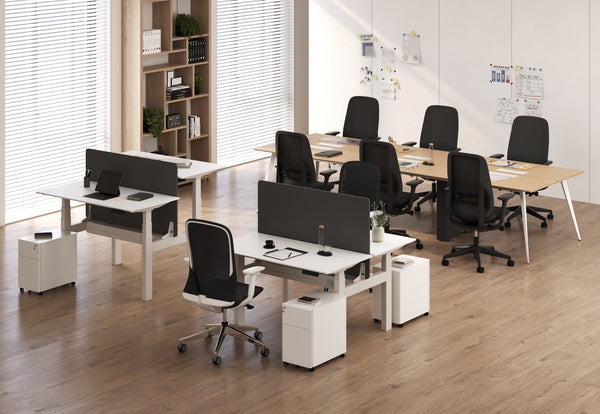
Workspaces today look very different from what they used to be. The traditional office setup is being replaced by flexible, adaptable environments that prioritize comfort, productivity, and employee well-being. Businesses are now investing in furniture that supports modern work styles rather than sticking to outdated designs.
From open layouts to ergonomic solutions, the focus is on creating spaces that work for people. Choosing the right foundation, such as reliable Office Furniture Los Angeles solutions, plays a key role in building a modern workspace that keeps up with these changes.
The Shift Toward Flexible Workspaces
One of the biggest trends shaping modern offices is flexibility. Companies are moving away from rigid setups and adopting environments that can adapt to different tasks and work styles.
Flexible workspaces allow employees to:
-
Move between different work areas
-
Adjust their setup based on their tasks
-
Stay comfortable throughout the day
This shift reflects the growing demand for hybrid work environments, where employees split their time between home and office. Furniture that supports flexibility helps maintain productivity regardless of location.
The Rise of Adjustable Desks
Movement Is the New Standard
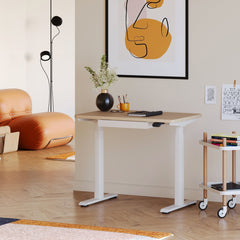
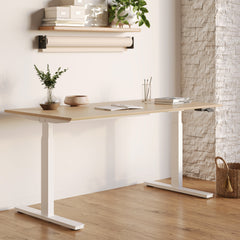
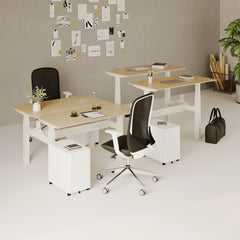
Modern offices are embracing movement as part of daily work routines. A flexible standing desk supports this trend by allowing users to switch between sitting and standing.
Why Adjustable Desks Are Trending
-
Encourage healthier work habits
-
Reduce strain from prolonged sitting
-
Improve energy and focus
-
Support different working preferences
Features That Define Modern Desks
-
Smooth height adjustment
-
Durable construction
-
Spacious work surface
These features make adjustable desks a key element in modern workspace design.
Minimalism in Office Design
Less Clutter, More Focus
Minimalism is becoming a major influence in office design. Clean and simple setups help reduce distractions and create a more focused environment.
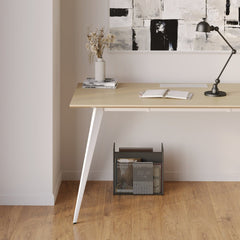
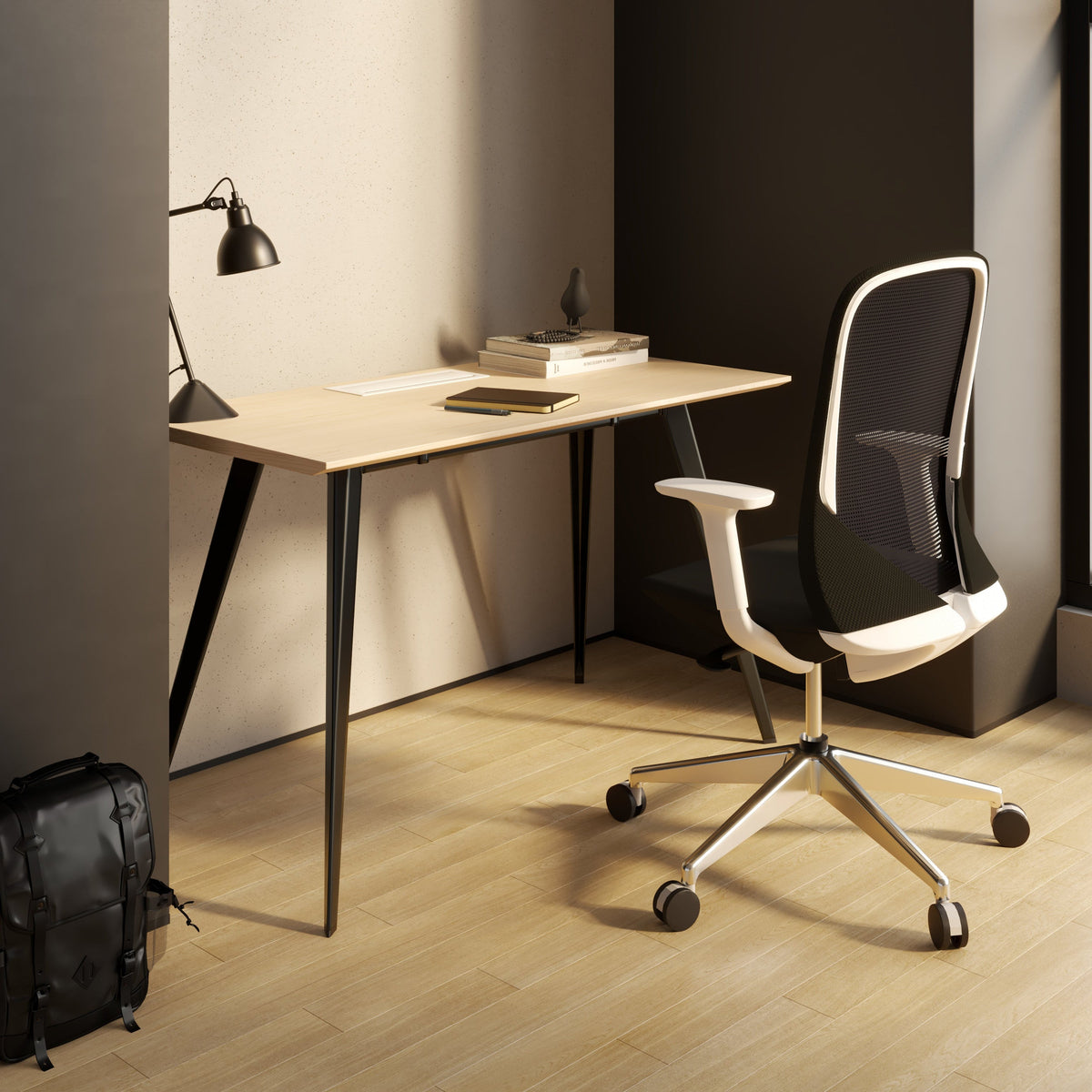
A well-designed office desk plays a central role in maintaining a minimal and organized workspace.
Insights on Minimalist Design
Concepts from this minimalist design article highlight how simplicity improves both functionality and aesthetics.
Key Elements of Minimalist Workspaces
-
Clean desk surfaces
-
Neutral color palettes
-
Organized storage solutions
These elements create a workspace that feels calm and efficient.
Prioritizing Employee Comfort
Comfort is no longer an afterthought in office design. It is now a priority. Companies understand that comfortable employees are more productive and engaged.
Modern furniture is designed to support the body and reduce strain. This helps employees stay focused and perform better throughout the day.
A comfortable workspace allows employees to:
-
Work longer without fatigue
-
Maintain better posture
-
Stay engaged with their tasks
Smart Accessories for Modern Workspaces
Enhancing Functionality
Accessories are becoming essential in modern office setups. An ergonomic arm allows users to adjust their screens for better alignment and comfort.
Why Accessories Matter
-
Improve workspace organization
-
Enhance comfort and posture
-
Support flexible work setups
Popular Modern Accessories
-
Monitor arms for adjustable positioning
-
Cable management systems
-
Desk organizers for efficiency
These additions help create a workspace that is both functional and adaptable.
Ergonomic Seating as a Standard
Seating has become one of the most important aspects of modern office design. Employees spend long hours at their desks, making proper support essential.
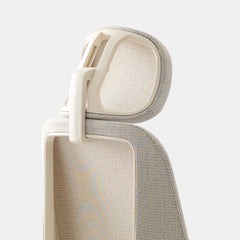
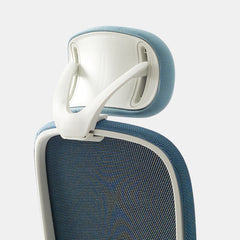
A supportive ergonomic office chair helps maintain posture and reduces strain on the body.
Modern offices prioritize seating that promotes comfort, ensuring employees can work efficiently throughout the day.
Comparison Table – Traditional vs Modern Office Furniture
|
Feature |
Traditional Office |
Modern Workspace |
Key Benefit |
|
Desk Design |
Fixed height |
Adjustable |
Flexibility |
|
Workspace Layout |
Rigid |
Adaptable |
Improved workflow |
|
Organization |
Cluttered |
Minimal |
Better focus |
|
Seating |
Basic chairs |
Ergonomic support |
Increased comfort |
|
Accessories |
Limited |
Integrated tools |
Enhanced efficiency |
Designing for Collaboration and Focus
Balancing Teamwork and Individual Work
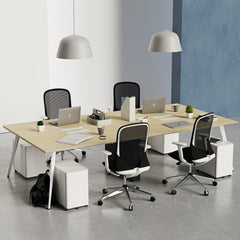
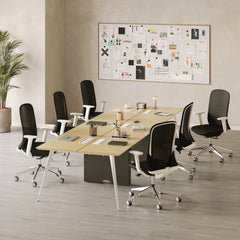
Modern offices are designed to support both collaboration and focused work. This balance is essential for productivity.
Features That Support Collaboration
-
Open layouts for communication
-
Shared workspaces for team tasks
-
Flexible seating arrangements
Supporting Individual Focus
-
Quiet zones for deep work
-
Organized desks for efficiency
-
Comfortable seating for long sessions
These elements help create a workspace that meets diverse needs.
Long-Term Impact of Modern Furniture Trends
Investing in modern office furniture provides long-term benefits for both employees and businesses.
These include:
-
Improved productivity
-
Better employee satisfaction
-
Reduced physical strain
-
Enhanced workplace efficiency
Modern furniture trends are not just about design. They are about creating environments that support people and their work.
Technology Integration in Modern Office Furniture
Modern workspaces are no longer just about desks and chairs. Technology is becoming an essential part of office furniture design. Integrated features are helping streamline workflows and improve efficiency across teams.
Today’s work environments rely on multiple devices, from laptops to monitors and charging accessories. Without proper integration, cables and devices can quickly create clutter and disrupt productivity.
Why Technology Matters in Workspace Design
A workspace that supports technology allows employees to work more efficiently without constant interruptions. It helps reduce setup time and keeps everything organized.
Common Technology Needs in Modern Offices
-
Easy access to power sources
-
Organized cable management
-
Space for multiple devices
-
Flexible monitor positioning
How to Integrate Technology Effectively
-
Use desks with built-in power solutions
-
Keep cables organized and hidden
-
Position devices for easy access
-
Ensure your setup supports multiple screens if needed
By integrating technology into your workspace design, you create an environment that is not only modern but also highly functional. This allows your team to stay focused, connected, and productive throughout the day.
Sustainability and Smart Material Choices in Office Furniture
Modern workspaces are not only focused on productivity and comfort, but also on sustainability. Businesses and individuals are becoming more aware of how furniture choices impact both the environment and long-term usability.
Choosing furniture made from durable and responsibly sourced materials ensures that your workspace remains functional for years without frequent replacements. This reduces waste and supports a more sustainable approach to office design.
Why Sustainability Matters in Modern Offices
Sustainable furniture is not just a trend. It reflects a long-term mindset that values durability, efficiency, and environmental responsibility.
It helps:
-
Reduce unnecessary replacements
-
Lower long-term costs
-
Support eco-friendly practices
-
Create a healthier workspace environment
Features of Sustainable Office Furniture
-
High-quality materials that last longer
-
Timeless designs that do not go out of style
-
Multi-functional pieces that reduce the need for extra furniture
-
Easy maintenance and adaptability
Simple Ways to Make Smarter Choices
-
Invest in furniture that supports long-term use
-
Choose designs that remain functional as your needs change
-
Avoid overly trendy pieces that may need quick replacement
-
Focus on quality over quantity
By incorporating sustainability into your workspace, you create an office that is not only modern and efficient but also built to last. This approach supports both productivity and responsible design choices for the future.
Build a Workspace That Reflects the Future
Modern workspaces are evolving to meet the needs of today’s workforce. By embracing these trends, you can create an environment that supports comfort, flexibility, and productivity.
Checklist for a Modern Workspace
-
Use adjustable desks for flexibility
-
Maintain a clean and minimal setup
-
Choose ergonomic seating for comfort
-
Add accessories that improve functionality
-
Design spaces for both collaboration and focus
-
Keep layouts adaptable to changing needs
-
Focus on long-term efficiency and well-being
When your workspace reflects modern trends, it becomes more than just a place to work. It becomes an environment that supports success, creativity, and growth.
Related Articles
-
 Our Conference Chairs and Meeting Tables Compared, so You Can Furnish a Huddle Room, a Meeting Room, or a Boardroom for Eight in One Order
-
 This Is How To Build A Small Home Office You Actually Want To Work From, And How To Pick Desks For Small Spaces - Urbanica Furniture's Full Guide
-
 Filing Cabinet Choices for Cleaner Workstation Planning
-
 Best Setup for Laptop and 2 Monitors With Less Neck Strain
-
 Round Meeting Table Ideas That Make Team Talks Smoother
-
 Better Guest Seating Ideas Around a Round Meeting Table


