



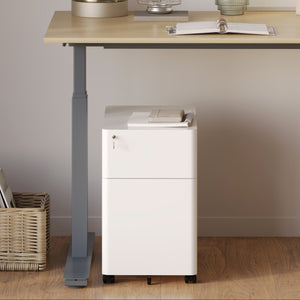






















Filing Cabinet Choices for Cleaner Workstation Planning
Cleaner workstation planning starts with filing storage that matches the desk, document volume, security needs, and daily workflow. Explore how cab...
Learn more
Visit quiz page to see how we makes it easy to create an inspiring workplace


Most people do not think about their spine until it starts hurting. The problem is that spinal strain rarely comes from one bad day. It builds quietly through years of sitting on furniture that does not respect how the body is designed to move and rest. When furniture fights your spine, the body adapts in unhealthy ways. Muscles overwork, posture collapses, and fatigue sets in faster than it should. This guide breaks down how furniture can either support your spine or slowly work against it, and how smarter choices can protect your comfort and health every single day.
The human spine is not meant to be forced into a rigid position. It has natural curves that help absorb shock, distribute weight, and allow movement. When furniture ignores these curves, your body compensates. You lean forward, round your shoulders, or shift weight unevenly just to stay comfortable.
Over time, these compensations become habits. Muscles tighten in places they should not, while others weaken. The result is discomfort that feels normal simply because it happens every day. Furniture that supports the spine works quietly in the background, reducing the need for your body to fight gravity and bad angles.
Many furniture issues are not obvious at first glance.
They do not support the lower back
They encourage slouching
They increase pressure on spinal discs
Without proper contouring, the spine collapses into positions that feel relaxed short term but cause long-term stress.
Feet lose contact with the floor
Knees sit above or below hip level
Pelvis tilts unnaturally
This misalignment ripples upward through the spine, affecting posture and balance.
Unsupported arms pull the shoulders forward and strain the neck, leading to tension headaches and upper back pain.
Tight neck and shoulders
Lower back fatigue
Discomfort after short sitting periods
When furniture does not support the spine, muscles work overtime just to keep you upright.
Compressed posture restricts breathing and blood flow, contributing to early fatigue and mental fog.
Physical discomfort constantly pulls attention away from work. Research on choosing ergonomic seating highlights how proper spinal support improves comfort and sustained focus.
Spinal health is not about sitting perfectly still. In fact, static posture is one of the biggest contributors to discomfort. The spine thrives on small, frequent movements. Furniture should allow and encourage these shifts instead of locking you into one position.
Supportive furniture stabilizes the spine while still allowing movement. It reduces pressure points and distributes weight evenly so your body does not need to constantly adjust to stay comfortable.
Contoured back support
Adjustable seat height
Balanced firmness
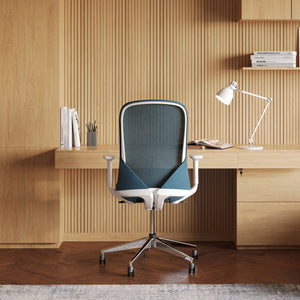
An ergonomic office chair supports the spine without forcing it into unnatural positions.
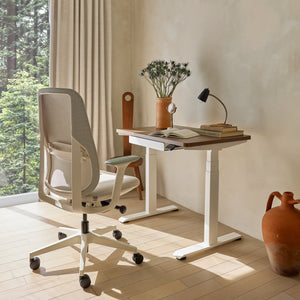
A standing desk allows you to change posture throughout the day, reducing prolonged spinal compression.
A well-proportioned office desk keeps screens and input devices aligned with your natural posture.
Even the best furniture works best when paired with awareness. How you sit, stand, and move throughout the day matters. Supportive furniture reduces strain, but it also encourages healthier habits naturally.
When furniture feels comfortable without effort, you move more, shift positions, and avoid rigid postures. This creates a positive feedback loop where comfort leads to better posture, and better posture leads to less fatigue.
|
Furniture Feature |
Spinal Benefit |
Daily Impact |
|
Lumbar support |
Maintains natural curve |
Reduces lower back strain |
|
Adjustable height |
Aligns hips and knees |
Improves balance |
|
Sit-stand option |
Encourages movement |
Reduces stiffness |
|
Arm support |
Relaxes shoulders |
Prevents neck tension |
This table highlights how specific design features directly support spinal health.
Unsupported arms pull the upper spine forward. Adding an ergonomic arm helps maintain relaxed shoulders and proper alignment.
Screens placed too low force the head forward, increasing strain on the cervical spine.
Feet should rest flat on the floor with thighs supported but not compressed.
Spinal issues often lead to costly interventions once pain becomes chronic. Investing in furniture that supports alignment is a preventive approach. It reduces wear on joints, muscles, and discs over time.
For those prioritizing long-term spinal health, an ergonomic office chair California reflects how thoughtful design aligns comfort, movement, and daily performance.
Before settling into your daily setup, check the following:
Your lower back feels supported without forcing posture
Feet rest flat on the floor
Shoulders stay relaxed during work
Your desk allows neutral arm and wrist positioning
You change positions naturally throughout the day
Furniture that supports your spine works quietly, consistently, and effectively. When your body no longer has to fight your environment, comfort improves, focus lasts longer, and posture takes care of itself.
Every spine is different. Height, weight distribution, flexibility, and daily habits all affect how a body responds to furniture. This is why furniture that works well for one person may cause discomfort for another, even if it looks identical. When furniture is designed with adjustability in mind, it respects these differences instead of ignoring them.
Poorly designed furniture assumes the body should adapt to it. Supportive furniture does the opposite. It allows adjustments that align with individual proportions, helping the spine stay neutral without conscious effort. This reduces strain not just during work hours, but also after the workday ends.
Customization does not mean complexity. Small adjustments such as seat height, back support position, and arm alignment can dramatically improve comfort. When furniture adapts to the person using it, posture becomes easier to maintain and less mentally exhausting.
Ignoring individual fit often leads to subtle discomfort that builds over time. Paying attention to how furniture feels on your specific body is one of the most effective ways to protect spinal health long term.


You have unlocked free shipping!
You're saving $29 and unlocked free shipping!
Leave a comment