








Furniture That Builds Better Workdays

Design That Drives Discipline: Furniture That Builds Better Work Habits
Good work habits rarely appear overnight. They are built gradually through routines, consistency, and environment. While people often focus on discipline or time management, the workspace itself plays a powerful role in shaping behavior.
Furniture influences how comfortably you sit, how easily you move, and how organized your tools remain throughout the day. When the workspace is thoughtfully designed, it reduces friction and helps reinforce productive habits. On the other hand, poorly designed furniture can quietly sabotage focus, posture, and efficiency.
A well-planned environment encourages better routines automatically. From adjustable desks to supportive seating, furniture design can guide posture, promote movement, and create an atmosphere that makes productive habits easier to maintain.
Environment Shapes Everyday Work Behavior
Most daily habits are influenced by surroundings. The brain responds constantly to visual cues, physical comfort, and environmental structure. When the workspace feels organized and supportive, work becomes easier to begin and sustain.
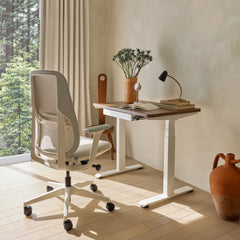
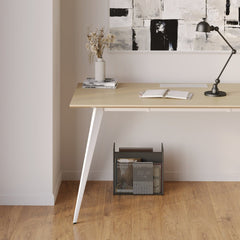
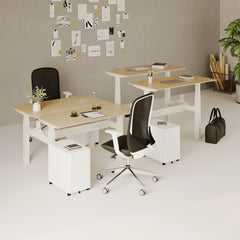
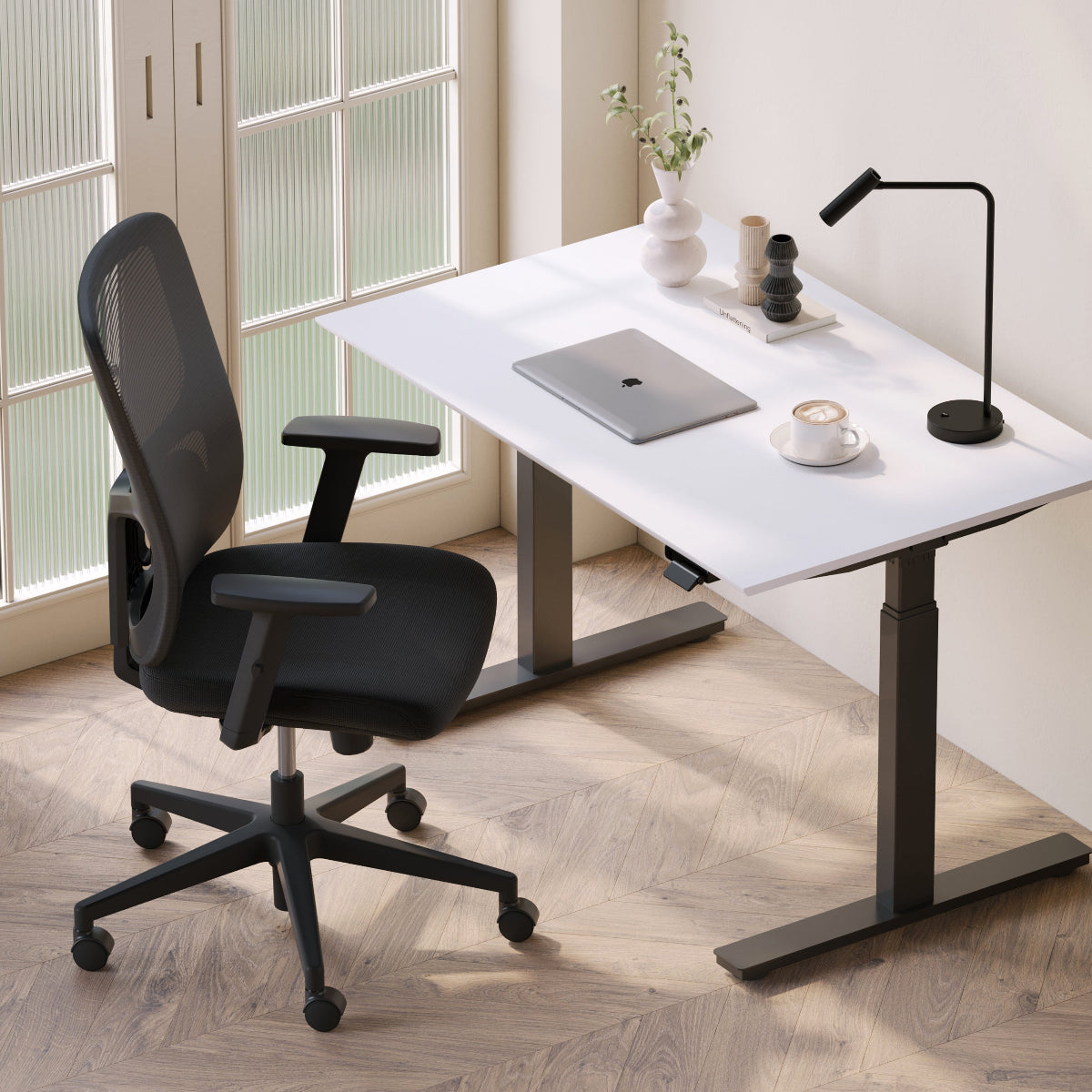
For example, a compact Small Standing Desk California setup can create a clearly defined workspace even in smaller rooms. A dedicated workstation signals to the brain that this area is meant for productivity, not relaxation.
A purposeful workspace helps reinforce positive routines such as:
-
Sitting with better posture
-
Starting tasks more quickly
-
Maintaining organized tools
-
Reducing visual distractions
Furniture becomes a silent guide for better work behavior.
Movement Encourages Healthy Work Patterns
Static Workspaces Reduce Energy
Remaining seated for extended periods often leads to stiffness and fatigue. When the body becomes uncomfortable, productivity declines.
Encourage Natural Movement
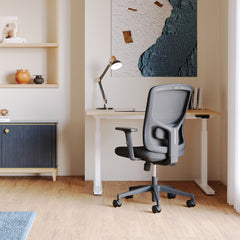
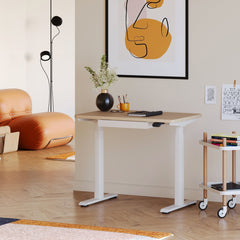
An adjustable standing desk supports natural transitions between sitting and standing during the workday.
Movement provides several advantages:
-
Improves circulation
-
Reduces lower back pressure
-
Maintains mental alertness
-
Prevents prolonged sedentary posture
Small Movement Breaks Improve Focus
Standing during certain tasks such as brainstorming or reading can provide a mental reset. Even brief posture changes help maintain attention and energy.
Furniture that supports movement encourages healthier habits automatically.
Structured Work Surfaces Support Organization
A Stable Desk Creates Consistency
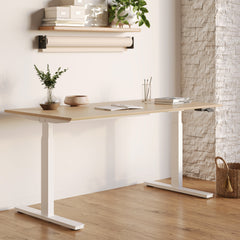
The desk is the center of the workspace. A stable and spacious surface helps organize tools and maintain workflow without constant rearranging.
Organized Layout Reduces Friction
A streamlined office desk provides sufficient depth for monitors, keyboards, and accessories without crowding the surface.
Consider these layout principles:
-
Maintain a clear typing area
-
Keep frequently used tools within reach
-
Store unused items away
Visual Order Strengthens Focus
When desk surfaces remain clean and organized, the brain processes fewer visual distractions. This clarity helps maintain concentration during demanding tasks.
Simple organization can significantly improve work habits.
The Science Behind Productive Environments
Research on the science of productivity design shows that structured workspaces improve focus and cognitive performance. Environmental order reduces mental fatigue and encourages sustained engagement.
When the workspace is predictable and comfortable, the brain spends less energy adjusting to its surroundings. Instead, that energy can be directed toward solving problems, completing tasks, and maintaining concentration.
Furniture design becomes a key element in creating this structured environment.
Screen Placement and Posture Habits
Eye-Level Screens Improve Comfort
Poor monitor placement often leads to forward head posture and neck strain.
Improve Screen Alignment
An adjustable monitor arm lifts the screen to eye level and keeps the desk surface clear.
Advantages include:
-
Reduced neck strain
-
Improved posture alignment
-
Better viewing angles
Maintain a Centered Screen Position
Your primary screen should sit directly in front of you. Off-center placement causes constant head rotation and gradual muscle fatigue.
Proper screen positioning supports healthy posture habits throughout the workday.
Seating That Reinforces Good Posture
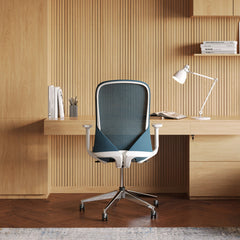
Comfortable seating encourages proper posture and reduces physical strain during long work sessions. A supportive ergonomic office chair helps maintain natural spine alignment.
When seating supports the body effectively:
-
Slouching becomes less likely
-
Muscle fatigue decreases
-
Focus improves
Instead of constantly adjusting position, the body remains supported and stable.
This stability makes it easier to maintain consistent work habits.
Features That Shape Work Habits
|
Furniture Feature |
Negative Setup |
Habit-Friendly Setup |
|
Desk height |
Fixed and incorrect |
Adjustable alignment |
|
Seating support |
Flat or rigid chair |
Ergonomic support |
|
Monitor placement |
Below eye level |
Eye-level screen |
|
Desk organization |
Cluttered surface |
Clean layout |
|
Movement options |
Static sitting |
Sit-stand flexibility |
These elements influence how naturally productive habits develop during the workday.
Designing a Workspace That Encourages Discipline
Define a Dedicated Work Area
A clear workspace boundary helps separate work from relaxation areas.
Reduce Visual Distractions
Helpful practices include:
-
Keeping desk surfaces minimal
-
Limiting decorative clutter
-
Maintaining simple wall décor
Maintain Consistency
Keeping the workspace layout consistent helps the brain recognize the area as a productivity zone.
Consistency reinforces routine.
Long-Term Benefits of Habit-Supporting Furniture
Furniture that supports healthy work habits creates long-term benefits beyond daily productivity.
Over time, these improvements include:
-
Better posture health
-
Reduced physical fatigue
-
Higher concentration levels
-
Greater work satisfaction
Small environmental improvements accumulate into stronger routines and sustainable productivity.
Thoughtful furniture design helps build habits that last.
Workspace Consistency Builds Stronger Habits
Consistency Reduces Daily Friction
Strong habits thrive in environments that remain consistent. When your workspace layout changes frequently or feels cluttered, the brain spends extra effort adjusting to the environment. That adjustment interrupts focus and slows productivity.
Keeping furniture placement and desk organization consistent helps create a predictable work routine. When you sit down at your desk and everything is already positioned correctly, the brain quickly transitions into work mode.
Simplify the Start of Your Workday
A well-arranged workspace eliminates the need to rearrange tools or adjust equipment every morning.
Helpful adjustments include:
-
Keeping your keyboard and mouse centered
-
Maintaining clear space for active work
-
Ensuring your monitor remains aligned at eye level
These small details reduce the time it takes to begin working.
Build Habits Through Environment
When furniture supports posture, organization, and movement, productive habits become automatic. Instead of forcing discipline every day, the workspace naturally guides behavior.
Over time, consistency in your workspace helps build stronger work routines and better productivity.
Design a Workspace That Strengthens Your Work Habits
Before starting your next workday, use this checklist to ensure your workspace supports productive routines.
-
Position your desk in a dedicated work area
-
Maintain clear desk surfaces
-
Keep monitors at eye level
-
Use ergonomic seating
-
Alternate between sitting and standing
-
Keep tools within easy reach
-
Reduce unnecessary décor
-
Maintain proper lighting
-
Keep walkways clear
-
Reevaluate your workspace regularly
Work habits are shaped by more than discipline. The environment you work in quietly influences posture, energy, and focus every day.
When furniture supports comfort, movement, and organization, productive habits become easier to maintain. Instead of fighting distractions or discomfort, your workspace becomes a partner in helping you work better.
Related Articles
-
 Our Conference Chairs and Meeting Tables Compared, so You Can Furnish a Huddle Room, a Meeting Room, or a Boardroom for Eight in One Order
-
 This Is How To Build A Small Home Office You Actually Want To Work From, And How To Pick Desks For Small Spaces - Urbanica Furniture's Full Guide
-
 Best Setup for Laptop and 2 Monitors With Less Neck Strain
-
 Round Meeting Table Ideas That Make Team Talks Smoother
-
 Better Guest Seating Ideas Around a Round Meeting Table
-
 Hot Desking Furniture Solutions Need More Flexible Seating


