



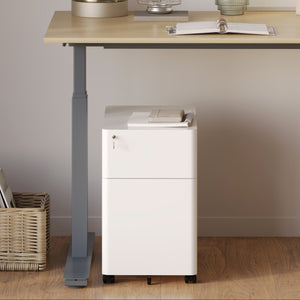






















Filing Cabinet Choices for Cleaner Workstation Planning
Cleaner workstation planning starts with filing storage that matches the desk, document volume, security needs, and daily workflow. Explore how cab...
Learn more
Visit quiz page to see how we makes it easy to create an inspiring workplace


The traditional measure of productivity—sitting still for hours without interruption—is fundamentally flawed. The human brain, much like the body, is designed for cycles of activity and rest. Pushing past its natural limits leads not to deeper work, but to diminishing returns, fatigue, and the dreaded afternoon slump. The highest-performing individuals understand that sustained focus is not about duration, but about intentional recovery.
This principle is the foundation of dynamic work: systematically integrating movement and brief mental pauses—micro-breaks and standing cycles—to refresh cognitive capacity. By transforming your desk setup into a dynamic system, you actively manage your energy levels, preventing burnout and keeping your mind sharp throughout the entire workday. This guide shows you how to strategically integrate movement to achieve true cognitive flow.
Our body operates on ultradian rhythms, cycles of approximately 90 minutes where energy peaks and then naturally dips. Fighting this dip is unproductive; acknowledging it with movement is revolutionary.
Reduces Habituation: Prevents the brain from becoming overly accustomed to monotonous stimuli.
Consolidates Learning: Allows the brain time to process and file information.
Prevents Fatigue: Restores mental resources needed for high-level decision-making.
The most effective method for refreshing mental energy is changing your physical posture. Shifting from sitting to standing immediately activates core muscles, improves circulation, and acts as a neurological stimulant.
The key is not to stand all day, but to weave short standing periods into your routine. Aim for 8-20 minutes of standing for every 40-60 minutes of focused sitting.
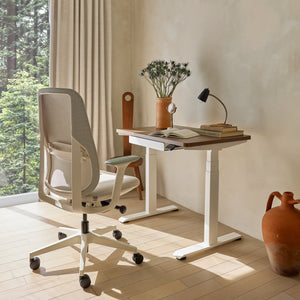
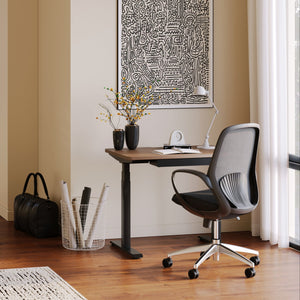
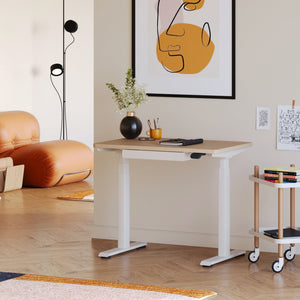
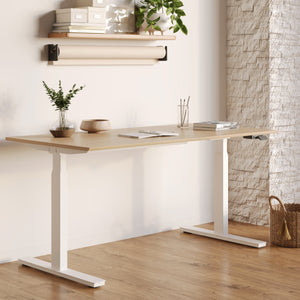
This effortless transition is made possible by a high-quality stand up desk, which removes the physical effort of adjustment, ensuring the flow state is not interrupted.
A micro-break is a pause lasting just a few minutes, designed to reset your attention without losing track of your primary task. These breaks should be non-work related and involve physical action.
Visual Reset: Look away from the screen for 20 seconds.
Hydration: Walk to the kitchen to refill water.
Targeted Stretch: Simple shoulder rolls or neck tilts.
This intentional pause counteracts the sedentary nature of desk work, a necessity reinforced by studies examining the benefits of reducing static time for mental and physical health. The importance of non-sitting activity is well documented in research on sedentary behavior and health.
While dynamic movement is vital, your sitting posture must be impeccably supported during periods of deep work. A high-quality chair minimizes the physical friction that prematurely fatigues the mind.
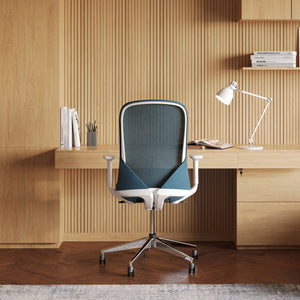
An ergonomic office chair provides continuous lumbar and thoracic support, reducing the muscle strain that would otherwise demand mental attention. This frees the brain to dedicate all resources to the task at hand.
In high-performance professional environments, the standard for comfort and durability is non-negotiable. Professionals seek out pieces like a California Ergonomic Chair for its proven ability to support long, focused hours with advanced adjustability.

For dynamic work to be effective, your computer desk setup must be ready to move with you. Cable management, monitor placement, and peripheral accessibility must all function perfectly in both sitting and standing modes.
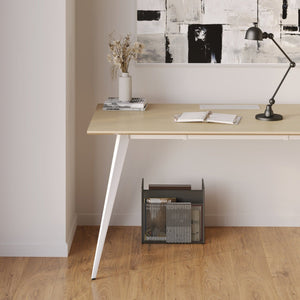
Even in a dynamic setup, a fixed office desk may be used as a stable side unit for printers, files, or collaborative space. The primary stand up desk must be clutter-free and ready to ascend quickly.
In a collaborative or home office, dynamic movement must be independent. One person's need to stand cannot compromise the other's need to sit and focus.
A Two Person Standing Desk allows two users to maintain separate, optimal ergonomic heights and movement cycles without physical or auditory disruption. This independent dynamic functionality is essential for shared productivity.
Relying on willpower alone to take breaks and change posture is ineffective. High-performance workers use external cues and tools to automate their dynamic routines.
☐ Timer Application: Use the Pomodoro Technique or a simple 50/10 schedule. ☐ Preset Heights: Program your desk to instantly recall your perfect sit and stand heights. ☐ Calendar Integration: Block out short "Standing Review" or "Stretch Break" sessions in your schedule.
The Cognitive Payoff of Dynamic Work
Integrating micro-breaks and standing cycles is not just about avoiding back pain; it is a fundamental strategy for improving the quality of your decision-making and creative thought.
Reduced Decision Fatigue: Breaks refresh the prefrontal cortex, leading to better judgment.
Enhanced Creativity: Movement often dislodges mental blocks, encouraging divergent thinking.
Sustained Energy: Avoiding the crash means consistent high-level output all afternoon.
Choosing high-quality, adjustable office furniture is an investment in your career longevity. When your equipment supports dynamic change, it supports your physical and mental energy for years.
A premium adjustable desk is designed to execute thousands of height cycles reliably, ensuring that the critical function of dynamic movement never fails.
Dynamic work should extend beyond the main desk and ergonomic chair. Micro-breaks can be integrated into every task, from reading reports to planning meetings.
Walk and Talk: Take calls while pacing the room.
Stand to Read: Review printed documents while standing at a high table.
Desk Stretches: Implement simple seated stretches during transition periods.

Sustained cognitive flow is not a gift; it is a meticulously managed state. By intentionally interrupting stillness with micro-breaks and leveraging dynamic furniture for standing cycles, you synchronize your work schedule with your body's natural rhythms. This strategic commitment to movement keeps the cognitive current flowing strong, leading to deeper focus, higher energy, and superior results throughout your professional life.


You have unlocked free shipping!
You're saving $29 and unlocked free shipping!
Leave a comment