























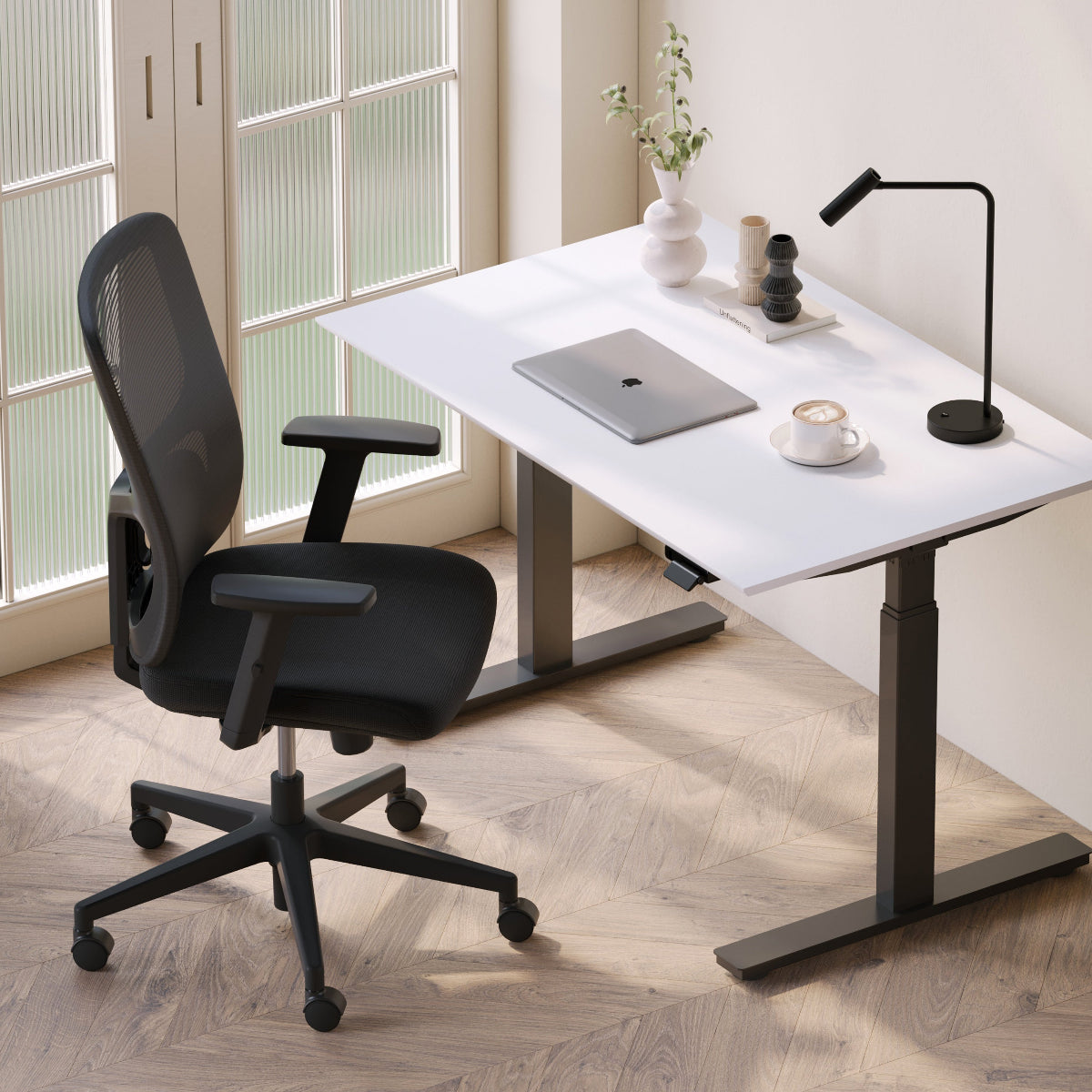
Everyday Efficiency Starts With the Right Furniture

From Morning Focus to Evening Calm: Furniture That Guides Your Day
Every morning, you move through a familiar rhythm. You sit down to check emails. You shift positions during a long meeting. You reach for a notebook or adjust your monitor. These small, repeated actions form your daily routine. What many people overlook is how much furniture influences those movements.
The height of your desk affects your posture. The comfort of your chair impacts your focus. The layout of your workspace shapes how efficiently you move between tasks. Furniture is not passive. It actively directs how your day unfolds. Choosing the right pieces can turn an ordinary routine into a smoother, healthier experience.
The Foundation of Your Daily Flow
Your workspace anchors much of your routine. Even in shared spaces, the furniture you choose determines whether your day feels structured or scattered.
In compact homes or hybrid setups, incorporating adaptable pieces like a Mini Standing Desk California creates flexibility without overwhelming the room. A smaller footprint keeps your environment organized while still supporting productivity.
When furniture aligns with your habits:
-
Transitions between tasks feel natural
-
Physical strain is reduced
-
Focus becomes easier to maintain
-
Clutter is minimized
Small structural decisions create lasting daily impact.
The Desk That Guides Your Workday
Your desk acts as the center of activity. It influences posture, organization, and mental clarity.
Stability and Surface Space Matter
A well-constructed office desk supports long hours of focused work.
How Desk Design Shapes Routine
-
Stable surfaces prevent distraction
-
Proper height reduces shoulder tension
-
Clean design minimizes visual clutter
-
Adequate space supports organization
Daily Improvements You May Notice
-
Fewer posture adjustments
-
Faster task transitions
-
Reduced surface chaos
-
More consistent productivity
A stable desk reduces interruptions and allows you to concentrate fully.
Movement Changes Everything
Remaining seated for extended periods impacts energy and comfort.
Alternating Between Sitting and Standing
A thoughtfully engineered standing desk introduces flexibility into your routine.
Benefits of Movement
-
Improved circulation
-
Increased alertness
-
Reduced lower back strain
-
Better energy distribution
Building a Movement Habit
-
Switch positions every hour
-
Adjust monitor height accordingly
-
Keep transitions smooth
-
Avoid blocking mechanisms with clutter
Movement supports both physical health and mental clarity throughout the day.
Ergonomics and Long-Term Health
Research such as this ergonomic evaluation study emphasizes the importance of proper workstation alignment. Poor posture over time can lead to discomfort and reduced productivity.
Furniture that prioritizes ergonomic principles helps prevent these issues. Alignment between your chair, desk, and monitor reduces strain and improves concentration. Thoughtful design supports both comfort and efficiency.
Seating That Supports Consistency
Your chair plays a central role in shaping daily comfort.
Invest in Supportive Seating
A well-designed ergonomic chair adapts to your body throughout the day.
Daily Benefits
-
Lumbar support reduces back fatigue
-
Adjustable height supports alignment
-
Breathable materials increase comfort
-
Stable base prevents shifting
Long-Term Routine Improvements
-
Fewer posture corrections
-
Reduced muscle tension
-
Greater focus during extended sessions
-
Improved comfort over time
Comfortable seating allows you to stay engaged without distraction.
Monitor Positioning and Workflow
Monitor placement affects both posture and productivity. An adjustable ergonomic arm elevates screens to eye level and frees desk space.
Benefits include:
-
Reduced neck strain
-
Improved viewing angles
-
Clearer surface organization
-
Easier multi-screen adjustments
When screens are positioned properly, tasks feel smoother and more efficient.
Daily Routine Impact Table
|
Furniture Element |
Immediate Effect |
Long-Term Impact |
|
Stable Desk |
Reduced distractions |
Higher productivity |
|
Adjustable Desk |
Encourages movement |
Better energy levels |
|
Ergonomic Chair |
Improved posture |
Reduced strain |
|
Monitor Arm |
Clear surface |
Enhanced focus |
|
Organized Layout |
Faster task flow |
Consistent efficiency |
Every element contributes to how your routine feels and functions.
Layout and Habit Formation
Furniture arrangement influences habits.
Designing for Positive Behavior
When your desk and chair are positioned intentionally, they encourage better routines.
Layout Tips
-
Keep primary tools within reach
-
Avoid placing desks in high-traffic areas
-
Maintain open pathways
-
Position screens away from glare
How Layout Shapes Productivity
-
Reduces micro-interruptions
-
Encourages structured workflow
-
Minimizes physical strain
-
Supports focus blocks
A thoughtful layout reinforces productive behavior naturally.
Emotional Influence of Furniture
Furniture affects mood as much as mechanics. A cluttered desk may cause subtle stress. A supportive chair may create calm confidence.
When your environment feels stable and intentional, your daily routine becomes smoother. Emotional comfort and physical support work together. Choosing furniture that reflects both improves overall satisfaction.
Your daily routine is not just about tasks. It is about how you feel while completing them.
Morning Momentum Starts With Setup
Your furniture influences how your day begins. A cluttered or uncomfortable setup can delay productivity before it even starts. A clean, supportive workspace creates immediate momentum.
Starting the Day With Clarity
The first few minutes at your desk often determine how focused you feel.
Furniture That Encourages a Strong Start
-
Clear desk surface
-
Proper chair alignment
-
Screen positioned at eye level
-
Easy access to essential tools
Small Adjustments That Improve Mornings
-
Reset your chair height daily
-
Clear unnecessary items before logging off
-
Keep lighting balanced
-
Position your desk near natural light when possible
When your furniture supports a smooth start, your routine flows more naturally throughout the day.
Reducing Micro-Interruptions
Small discomforts and layout inefficiencies create repeated interruptions. These micro-interruptions reduce focus without you noticing.
How Furniture Minimizes Distractions
Stable, ergonomic, and well-positioned pieces reduce the need for constant adjustments.
Common Micro-Interruptions
-
Wobbly desk surfaces
-
Uncomfortable seating
-
Poor monitor height
-
Tangled cables
How to Prevent Them
-
Invest in stable construction
-
Maintain ergonomic alignment
-
Keep surfaces organized
-
Elevate monitors properly
Eliminating small disruptions allows deeper concentration and smoother workflow.
Evening Wind-Down and Recovery
Furniture also influences how you disconnect from work. A rigid or cluttered workspace can make it difficult to shift into relaxation mode.
Transitioning From Work to Rest
Your setup should allow a clear mental shift at the end of the day.
Signals That Work Is Done
-
Lowering your desk to seated position
-
Clearing your work surface
-
Adjusting lighting
-
Closing storage compartments
Why This Matters
-
Encourages healthier work-life boundaries
-
Reduces stress carryover
-
Supports physical recovery
-
Reinforces routine structure
Furniture that adapts throughout the day makes transitions feel intentional rather than abrupt.
Design the Routine You Want
Furniture choices quietly shape your habits, posture, and productivity.
Use this checklist to evaluate your setup:
-
Is your desk stable and spacious?
-
Can you alternate between sitting and standing?
-
Does your chair support proper alignment?
-
Is your monitor at eye level?
-
Are cables organized?
-
Is your layout free from distractions?
-
Do you feel energized throughout the day?
-
Can your furniture adapt to changing needs?
-
Does your workspace encourage movement?
-
Does your setup reduce strain?
When furniture supports your daily rhythm, routines become easier and more sustainable. The right pieces create structure, comfort, and flexibility that improve every part of your day.
Related Articles
-
 Our Conference Chairs and Meeting Tables Compared, so You Can Furnish a Huddle Room, a Meeting Room, or a Boardroom for Eight in One Order
-
 This Is How To Build A Small Home Office You Actually Want To Work From, And How To Pick Desks For Small Spaces - Urbanica Furniture's Full Guide
-
 Best Setup for Laptop and 2 Monitors With Less Neck Strain
-
 Round Meeting Table Ideas That Make Team Talks Smoother
-
 Better Guest Seating Ideas Around a Round Meeting Table
-
 Hot Desking Furniture Solutions Need More Flexible Seating


