























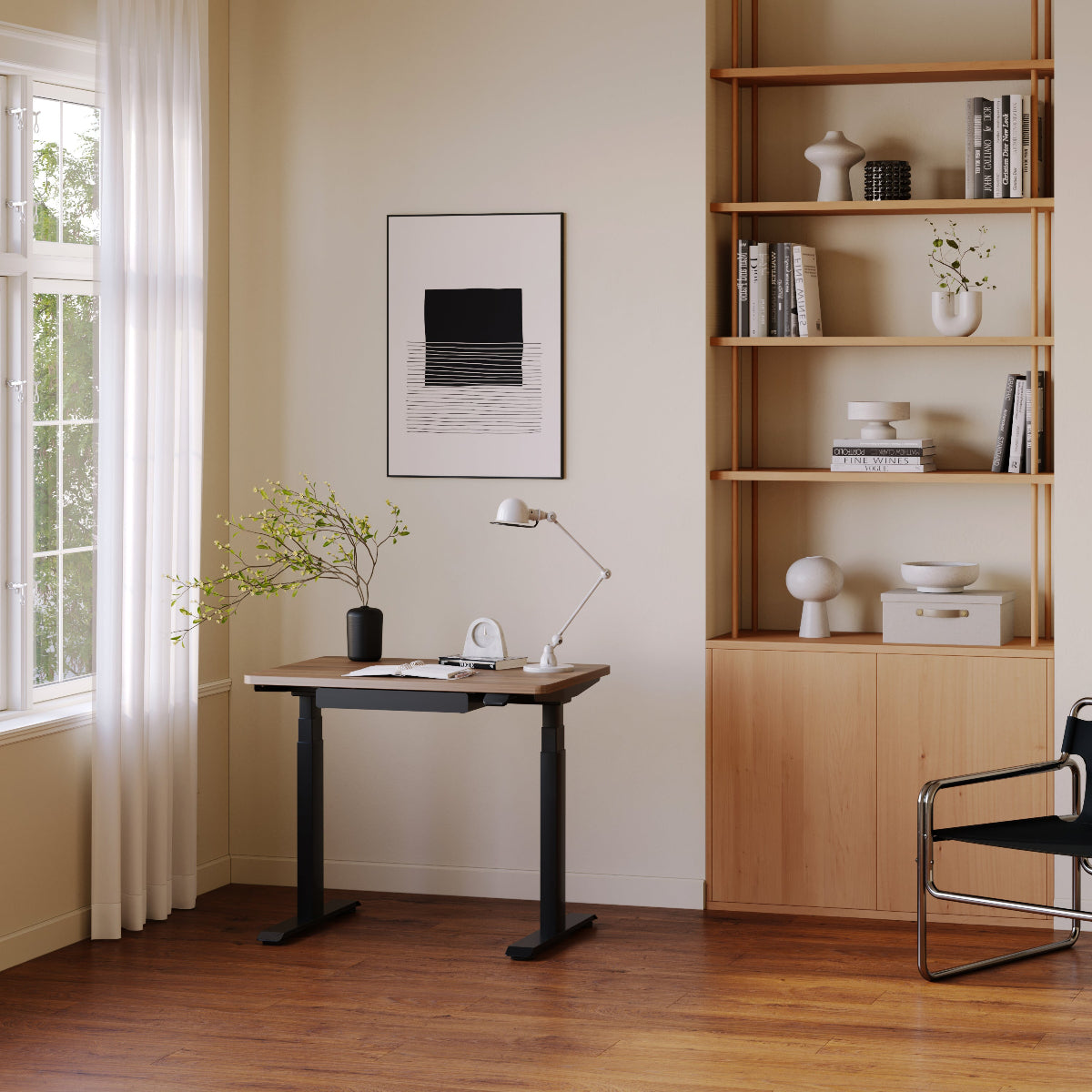
Design Less, Think Less: Furniture That Simplifies Your Day

Why Furniture Can Affect Your Mental Energy
Every day, people make hundreds of decisions. From answering emails to prioritizing tasks, the brain constantly processes information and choices. Over time, this constant decision-making can lead to what psychologists call decision fatigue. When the brain becomes overwhelmed with choices, productivity drops and even simple tasks start to feel exhausting.
Interestingly, the design of a workspace can either reduce or increase this mental strain. Cluttered desks, overcrowded rooms, and poorly organized furniture create unnecessary visual distractions that force the brain to process more information than necessary.
Thoughtfully selected furniture helps simplify the environment. When furniture supports organization, comfort, and clarity, it removes small daily decisions that would otherwise consume mental energy.
Minimalist layouts, ergonomic seating, and well-designed desks allow people to focus on meaningful tasks rather than constantly adjusting their environment.
By designing spaces that minimize distractions, furniture becomes a powerful tool for improving focus and reducing mental fatigue.
The Role of Simple Workspaces
One of the easiest ways to reduce decision fatigue is to simplify the workspace. When every object in a room serves a purpose, the brain has fewer distractions to process.
A carefully selected Office Desk California setup helps create a structured environment where essential work tools are easy to access without creating clutter.
Simple workspace furniture helps users:
-
Maintain organized work surfaces
-
Reduce unnecessary visual distractions
-
Create clear work zones
-
Improve daily focus
When a workspace feels organized and intentional, the mind naturally becomes calmer and more productive.
Furniture That Encourages Consistent Routines
Consistency Reduces Mental Load
The brain works more efficiently when daily routines remain consistent. Furniture that supports predictable work habits helps reduce unnecessary decision-making.
Flexible Desk Solutions
A well-designed standing desk allows users to easily alternate between sitting and standing positions without disrupting their workflow.
Benefits include:
-
Improved posture during long work sessions
-
Reduced fatigue from prolonged sitting
-
Greater flexibility throughout the day
Furniture That Guides Daily Habits
When furniture encourages consistent work habits, users spend less time deciding how to adjust their workspace and more time focusing on their tasks.
Furniture that supports routine reduces mental friction throughout the workday.
Organized Workspaces Improve Focus
Visual Clutter Creates Mental Clutter
Cluttered environments force the brain to constantly filter information. This process consumes mental energy that could otherwise be used for productive work.
Choose Functional Desk Layouts
A practical office desk provides sufficient workspace for essential tools while maintaining a clean layout.
Helpful organization practices include:
-
Keeping only frequently used items on the desk
-
Maintaining clear surfaces for active tasks
-
Positioning accessories within easy reach
Clear Spaces Improve Concentration
When desk layouts remain organized, the brain processes fewer distractions. This clarity allows people to maintain focus longer and work more efficiently.
Furniture that supports organization plays a crucial role in reducing decision fatigue.
Minimalism and Mental Clarity
Minimalist interiors are often associated with calm and focus. According to research on modern minimalism, simplified environments reduce visual distractions and help people concentrate more effectively.
Minimalist furniture layouts often include:
-
Fewer decorative elements
-
Functional workspace furniture
-
Clean and open room layouts
These environments allow the mind to focus on tasks without constant visual interruptions.
Furniture designed for simplicity naturally supports mental clarity.
Screen Placement and Workspace Efficiency
Proper Monitor Positioning Reduces Friction
One often overlooked source of decision fatigue is a poorly positioned screen. When monitors are too low or too far away, users constantly adjust their posture and focus.
Adjustable Screen Setup
Using a monitor arm allows screens to be positioned comfortably while keeping desk surfaces organized.
Benefits include:
-
Reduced neck strain
-
Improved viewing angles
-
More available desk space
Simplifying the Workspace
When screens are positioned properly, users spend less time adjusting their environment. This stability helps maintain focus during work sessions.
Small ergonomic improvements can significantly reduce daily distractions.
Comfortable Seating Reduces Physical Distractions
Physical discomfort can also contribute to decision fatigue. When chairs lack proper support, users frequently shift positions or adjust their posture, creating constant interruptions.
A supportive ergonomic office chair helps maintain proper spinal alignment while reducing muscle strain.
Ergonomic seating provides:
-
Consistent comfort during long work sessions
-
Reduced physical fatigue
-
Better posture support
Comfortable seating helps users remain focused without constant adjustments.
Furniture Choices That Reduce Daily Decisions
|
Furniture Feature |
How It Helps |
Result |
|
Minimal desk layouts |
Reduces clutter |
Improved focus |
|
Adjustable desks |
Encourages movement |
Better comfort |
|
Ergonomic seating |
Supports posture |
Fewer physical distractions |
|
Monitor arms |
Optimizes screen position |
Cleaner workspace |
|
Organized layouts |
Simplifies workflow |
Reduced mental fatigue |
These features help eliminate unnecessary decisions throughout the workday.
Creating Spaces That Feel Effortless
Furniture Should Work Quietly in the Background
The best furniture design does not constantly demand attention. Instead, it supports daily routines naturally.
Simplify the Workspace Layout
Helpful design strategies include:
-
Positioning desks near natural light
-
Keeping tools within reach
-
Maintaining open desk surfaces
These small adjustments help maintain efficient work environments.
Reduce Visual Noise
Minimal furniture arrangements create calm spaces where attention can remain focused on meaningful tasks rather than distractions.
When furniture supports simplicity, productivity increases naturally.
Long-Term Benefits of Simplified Furniture Design
Over time, furniture that reduces decision fatigue can improve both productivity and overall well-being.
Simplified workspaces often lead to:
-
Improved focus during tasks
-
Reduced stress from clutter
-
More efficient daily routines
-
Greater comfort during work sessions
Furniture that encourages simplicity helps maintain mental clarity throughout the day.
Designing Spaces That Think Less for You
Creating a workspace that reduces decision fatigue begins with thoughtful furniture selection.
Use this checklist to simplify your environment:
-
Choose desks that provide clear workspace surfaces
-
Maintain organized layouts
-
Keep only essential items within reach
-
Position monitors at eye level
-
Use ergonomic seating for comfort
-
Avoid overcrowding rooms with furniture
-
Maintain open and balanced room layouts
-
Encourage movement with adjustable desks
-
Use minimal design elements
-
Prioritize comfort and functionality
Furniture that simplifies the environment helps people focus on their work rather than managing their space.
When design removes unnecessary distractions, productivity becomes more natural and sustainable.
Related Articles
-
 Our Conference Chairs and Meeting Tables Compared, so You Can Furnish a Huddle Room, a Meeting Room, or a Boardroom for Eight in One Order
-
 Best Filing Cabinet Options for Minimalist Offices That Still Need Real Storage
-
 How to Make a Filing Cabinet Feel Like Part of the Room Instead of Extra Furniture
-
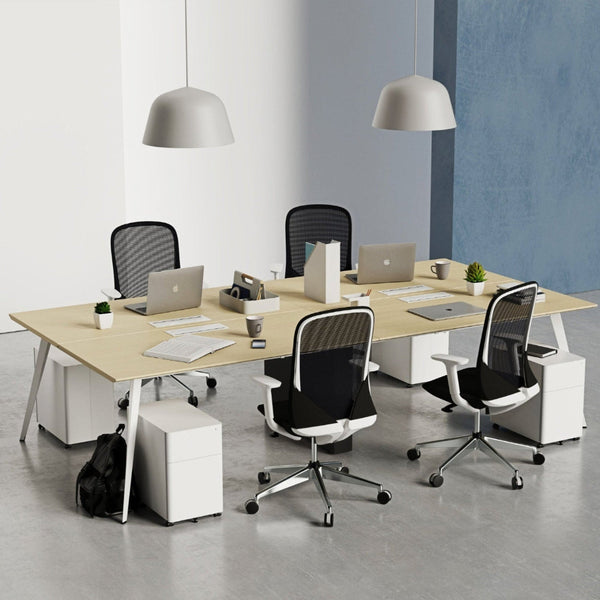 How to Match a Filing Cabinet with Your Desk for a Cleaner Office Look
-
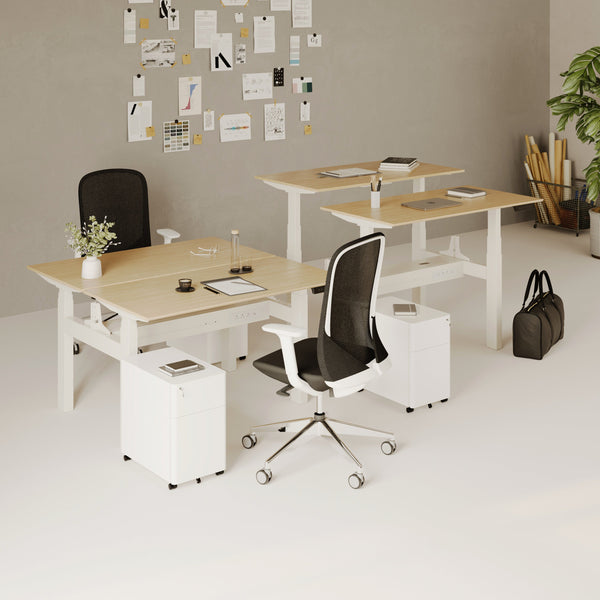 Best Filing Cabinet Styles for Modern Home Offices That Need Hidden Storage
-
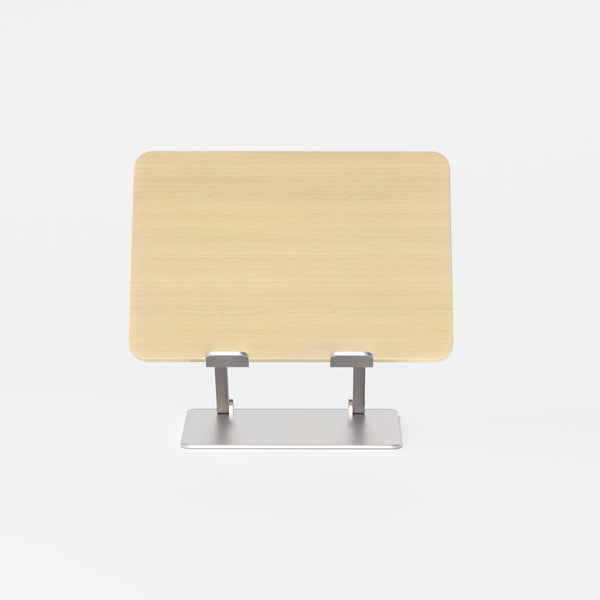 Best Laptop Stand Options for Minimalist Desk Setups
