















Choosing Desk and Chair Materials That Truly Hold Up

A desk or chair is more than a surface to work on. It is the foundation of your daily workflow, the support system behind your posture, and the silent partner in your productivity. When these pieces wear out quickly, wobble, peel, or lose their shape, your focus suffers and your comfort disappears. Durable materials are the difference between furniture that supports your life for years and furniture that becomes a frustration within months.
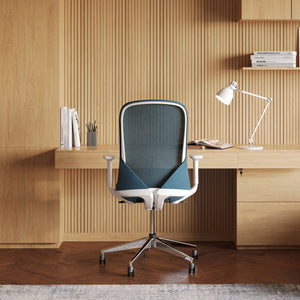
Investing in long-lasting pieces is not about luxury. It is about stability, function, and peace of mind. Furniture built with strong frames, resilient finishes, and supportive components helps you work better and reduces the stress of constant replacements. A well-structured piece like Office Furniture Los Angeles can elevate your entire workspace, helping you stay efficient and comfortable throughout your day.
This guide breaks down what to look for in durable materials, how to assess quality before buying, and why investing in better construction saves you money and energy in the long run.
Understanding the Foundation: Why Material Quality Matters
Materials determine whether your desk sags, your chair breaks down, or the entire setup remains stable and reliable for years.
The relationship between materials and long-term performance
Stronger materials resist daily wear, weight shifts, and constant movement. They ensure that the furniture keeps its shape and function over time.
What poor materials cause
-
Wobbling
-
Peeling surfaces
-
Compressed cushions
-
Weak joints
-
Squeaks and instability
Substandard materials lead to early replacements, constant adjustments, and stress that interrupts your workflow.
Solid Wood vs. Engineered Wood: Which Lasts Longer?
Not all wood surfaces are created equal. Each type has different strengths and ideal uses.
Solid wood
Solid wood is long-lasting and highly resistant to dents and scratches. It is ideal for desks or tables where durability matters.
Engineered wood (like MDF or plywood)
These materials can also be durable when properly constructed. High-quality plywood often outperforms MDF because of its layered structure.
Quick comparison table
|
Material |
Durability |
Ideal For |
Notes |
|
Solid wood |
Very high |
Desks, tables, shelves |
Long lifespan, natural feel |
|
Plywood |
High |
Desk surfaces, drawer components |
Stronger than MDF |
|
MDF |
Moderate |
Decorative pieces, shelves |
Smooth finish, less durable under weight |
Why Metal Frames Improve Stability
The strength of your desk or chair often comes from what you cannot see: the frame.
Benefits of steel and aluminum
-
Resist bending and warping
-
Stay firm under pressure
-
Provide reliable structural support
Coated metal for longevity
Powder-coated metal resists rust and scratches, keeping your furniture looking newer for longer.
Surface Materials That Resist Scratching and Staining
Your desktop needs to survive everyday use, from writing to mouse movement to accidental spills.
Laminate
High-pressure laminate is one of the most durable finishes. It resists heat, stains, and scratches.
Wood veneer
Veneer gives a real-wood appearance with protective coatings that prevent moisture damage and surface wear.
The Power of Height-Adjustable Durability
Height-adjustable furniture supports movement and adapts to different workflows. Durability ensures it keeps performing smoothly.
Why standing desks need strong motors and reinforced components
A high-quality standing desk uses stable lifting columns and quiet motors to adjust height consistently and safely.
Structural strength matters
Durability prevents wobbling and ensures the desk remains secure at its highest and lowest positions.
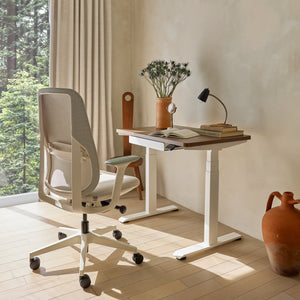
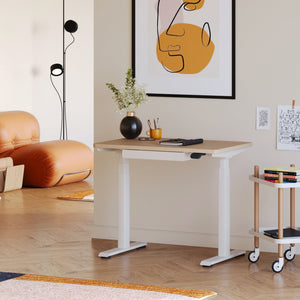
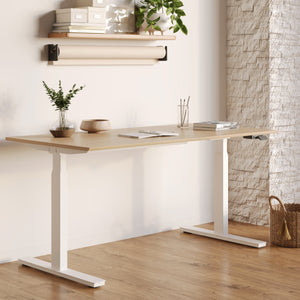
You can explore options like a standing desk as part of a reliable long-term workstation.
The Stability of a Well-Built Office Desk
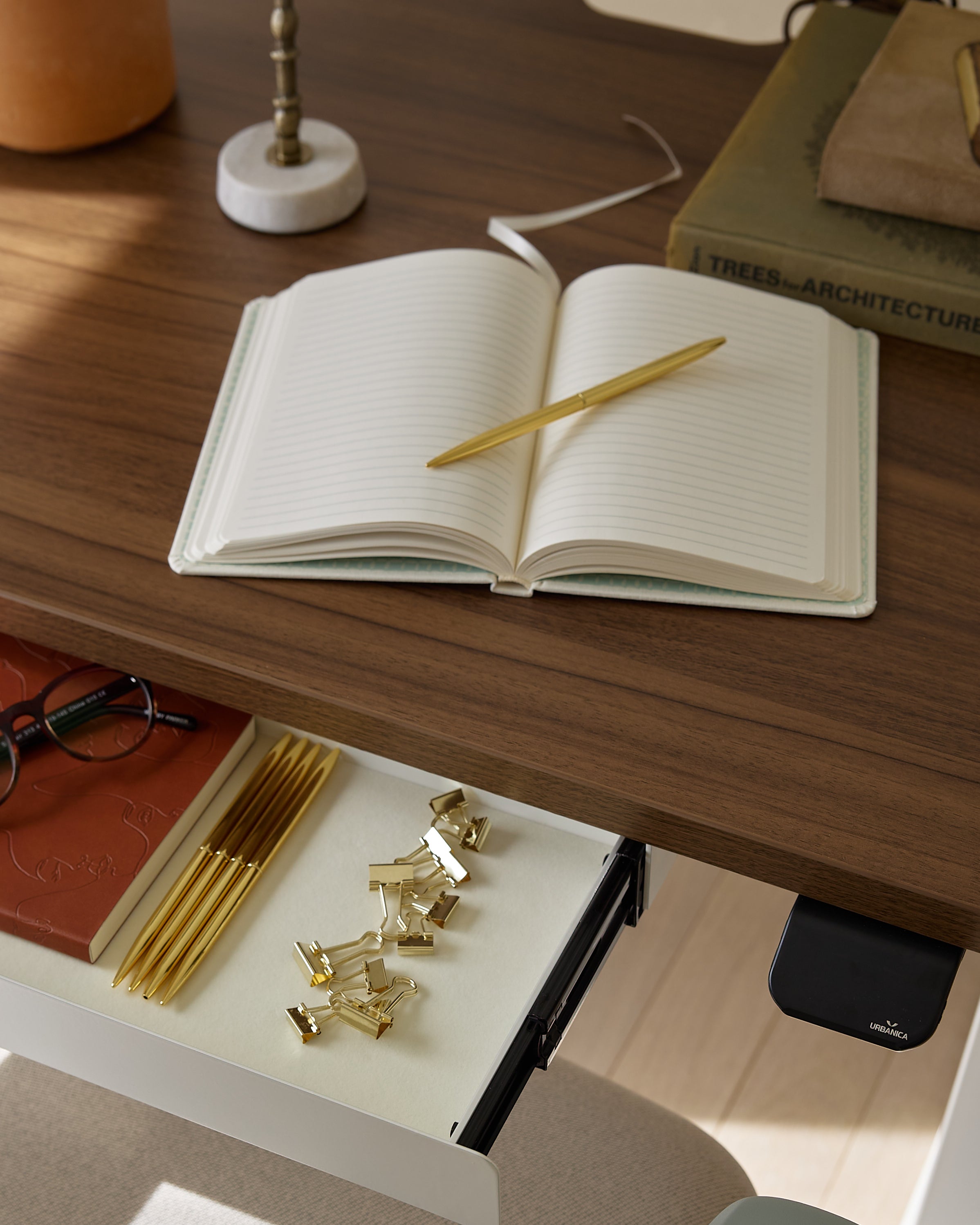
Your primary work surface needs to handle movement, storage, and daily weight without warping.
What makes an office desk durable?
-
Thick tabletop
-
Reinforced understructure
-
Strong joints
-
High-quality glides or feet for leveling
Why desk stability matters for productivity
Sturdy surfaces reduce shaking when typing or writing, helping you stay focused on your tasks.
A well-crafted office desk offers long-lasting support and consistent workspace performance.

Ergonomic Recommendations for Long-Term Chair Comfort
To choose durable chair materials, you need to understand how chairs support your body over time.
You can refer to insights from ergonomic recommendations to see how proper posture and material strength influence long-term comfort.
Foam density and cushion resilience
High-density foam holds its shape longer and offers consistent support for your lower back and hips.
Breathable mesh vs. padded fabric
Mesh chairs allow better airflow, while padded options rely on strong stitching and durable textiles for longevity.
The Role of Arm Support in Durability
Armrests often wear out faster than other parts of a chair, so quality matters.
What to look for in long-lasting arm support
-
Metal internal structure
-
Thick padding
-
Adjustable mechanisms
-
Durable upholstery
Support that prevents strain
Using an Ergonomic Arm helps maintain proper wrist and shoulder alignment, reducing long-term fatigue.
Chairs Made for Stability and Longevity
A truly durable chair combines strong materials with ergonomic design.
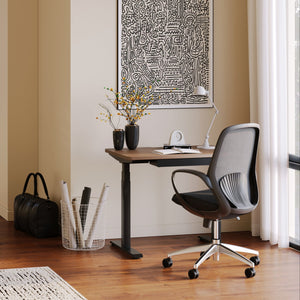
Key characteristics of a high-quality ergonomic chair
-
Reinforced base
-
Heavy-duty casters
-
Steel or aluminum frame
-
Breathable mesh or thick upholstery
When chairs support all-day performance
A well-built ergonomic chair maintains its comfort and structure for years, even with daily use.
How to Evaluate Material Quality Before Buying
Assessing material durability is easier when you know what to check.
Look for these signs
-
Smooth, consistent finishes
-
Thick, sturdy tabletops
-
Tight screws and joints
-
High-density cushions
-
Solid metal frames
Test movement and stability
Shake the desk slightly, adjust the chair height, and examine how each component responds. Quality furniture feels firm and stable.
Checklist for Choosing Durable Desk and Chair Materials
-
Thick tabletop or strong plywood core
-
Powder-coated metal legs or frame
-
High-pressure laminate or protected veneer surface
-
Heavy-duty screws and brackets
-
Stable, adjustable legs or glides
-
High-density foam cushions
-
Reinforced seat structure
-
Breathable, tightly woven mesh
-
Sturdy caster wheels
-
Smooth, secure height adjustment mechanisms
Sample Material Comparison Table
|
Feature |
High Quality |
Low Quality |
|
Frame |
Steel or aluminum |
Thin metal or plastic |
|
Cushion |
High-density foam |
Soft, collapsible foam |
|
Surface |
HPL or solid wood |
Thin veneer or MDF |
|
Movement parts |
Strong mechanisms |
Loose joints |
|
Finish |
Durable coating |
Easily scratched |
The Long-Term Value of Choosing Durable Materials
Durable furniture saves you time, money, and mental energy. Instead of dealing with repairs, replacements, and constant discomfort, you get years of consistent, comfortable use.
Why durability supports productivity
Reliable furniture allows your mind to stay focused, not distracted by wobbling desks or aching posture.
The peace of a stable workspace
When your furniture resists wear and holds up under daily routine, your workspace becomes a supportive environment that strengthens your performance.

When Your Workspace Is Built to Last
Choosing durable materials is an investment in your comfort, stability, and productivity. Every strong frame, sturdy desktop, and supportive cushion extends the life of your workspace and supports your ability to work with clarity and confidence.
Durability is not just about longevity. It is about creating a foundation that helps you do your best work every day.
Leave a comment