























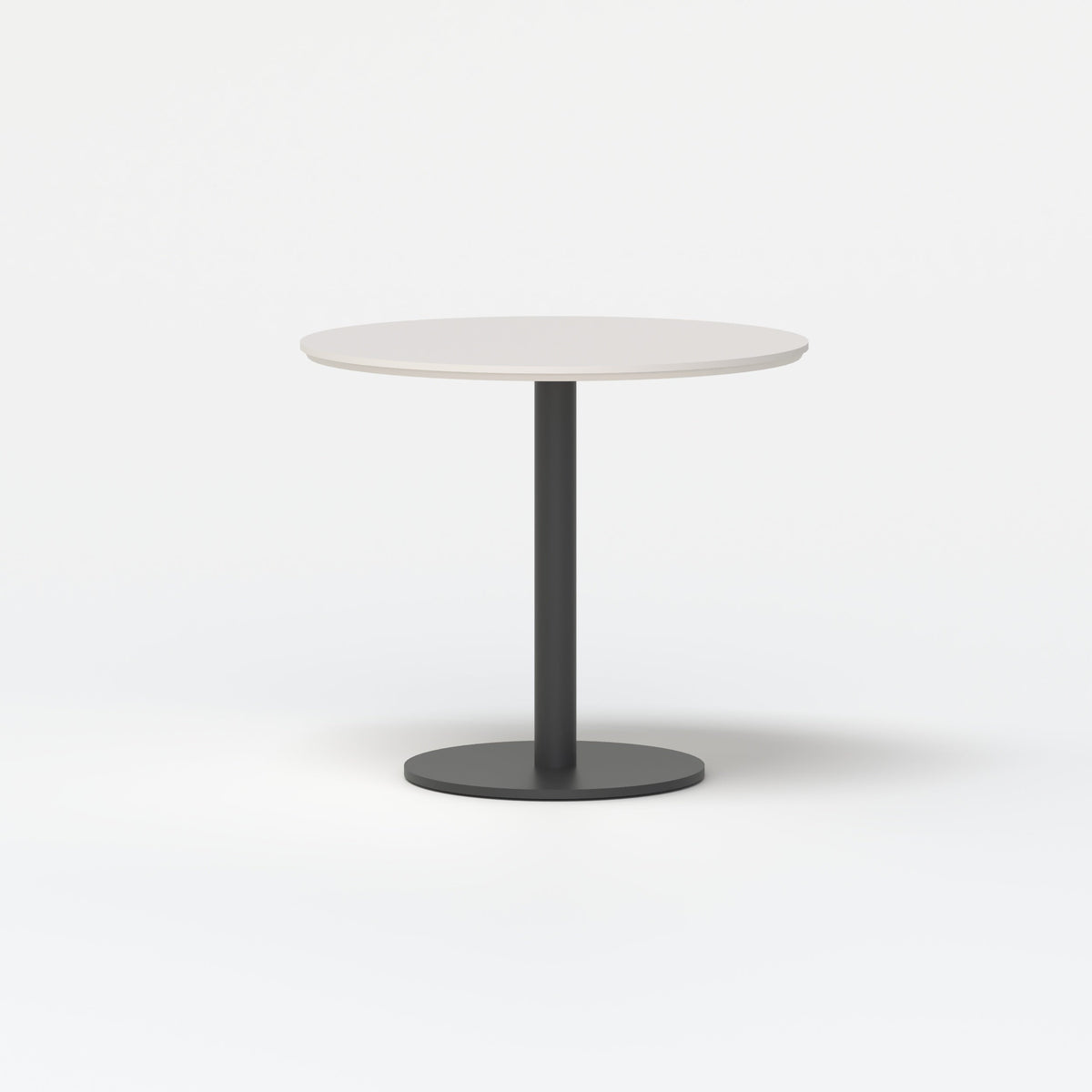
What to Put on a Bistro Table for a Cleaner and More Functional Setup

A bistro table works best when it feels open, easy to use, and simple to maintain. That balance matters even more in smaller rooms, where every object on the surface has a stronger visual impact. A table that is technically small can still look crowded when too many items compete for space, and it can feel underused when the setup is so bare that it lacks purpose.
The most effective approach is not to fill the table with decorative pieces and hope the arrangement looks finished. It is to decide what the table needs to do each day, then build around that purpose with a small number of useful, well-scaled items. Clean function almost always comes from restraint, but restraint does not mean making the table cold or empty. It means choosing objects that support the room, protect the surface, and keep the setup easy to reset.
A thoughtfully chosen bistro table for office and home already gives the space a strong starting point because its compact footprint encourages better editing from the beginning. Once that foundation is in place, the goal becomes simple: keep what helps, remove what drifts, and let the surface stay ready for real use.
Why a Cleaner Bistro Table Setup Starts With a Clear Purpose
The easiest way to overcrowd a bistro table is to treat it like a spare landing zone for anything nearby. A coffee cup gets left behind, then a stack of mail, then a candle, then charging cables, then a decorative object that looked good in a larger room but feels oversized here. None of those choices may seem major on their own, yet together they make the table harder to use and harder to clean.
A better setup begins by answering one practical question: what is this table mainly for? That answer should guide everything else on the surface.
One primary use keeps the table from becoming visually confused
Most bistro tables tend to support one of a few everyday roles:
-
a coffee and conversation spot
-
a light dining surface
-
a reading corner
-
a quick laptop touchdown space
-
a compact accent table in an office or shared area
When the table has one clear identity, the objects placed on it become easier to edit. A coffee setup needs different support pieces than a work setup. A reading corner needs lighting more than layered decor. A dining-ready surface needs open space more than decorative volume.
Small surfaces demand stricter editing than larger furniture pieces
On a desk or dining table, extra objects can sometimes fade into the background. On a bistro table, they rarely do. Even one bulky centerpiece can reduce the usable landing zone. Even a few loose accessories can make the table feel messy before it is actually dirty.
That is why negative space matters. Empty surface area is not wasted space. It is what allows the table to remain flexible, inviting, and functional.
The Three-Layer Method for a Cleaner and More Functional Tabletop
One of the most practical ways to style a bistro table is to think in layers. This keeps the surface balanced while making sure every object has a reason to stay.
Layer one should support the table’s main daily task
The first layer is the object or small grouping tied directly to use. This could be:
-
a mug and coaster
-
a notebook and pen
-
a plate setting for a light meal
-
a catch-all tray for small essentials
This layer exists because the table exists. If the item is unrelated to the table’s real purpose, it probably does not belong there full-time.
Layer two should reduce friction and improve usability
The second layer makes the table easier to live with. This might be a tray that keeps loose items contained, a lamp that improves visibility, or coasters that make cleanup easier. These pieces do not just decorate the surface. They support the way the table is used.
A compact light source often earns its place in this layer because it extends the table’s usefulness in the morning, evening, or dim corners of a room. The Alumina Lamp fits naturally into this kind of setup because it works as a focused lighting piece without asking the table to carry visual clutter.
Layer three should add one controlled visual anchor
A bistro table can look unfinished if it has only utility and no visual warmth. That is where the third layer comes in. This should be one simple accent, not a collection of accents. A small vase, a compact ceramic object, or a sculptural lamp base can all serve this role.
The key is to stop at one strong accent rather than stacking several small ones. A single focal point looks intentional. Too many focal points create noise.
What to Put on a Bistro Table for Everyday Use
The best everyday setups are simple because they need to perform consistently, not just look styled for one moment. The more often the table is used, the more valuable it becomes to keep the arrangement easy to wipe down and easy to restore.
A tray helps control small-item clutter before it spreads
Loose items are often what make a bistro table feel disorganized. Keys, earbuds, glasses, pens, lip balm, and other small objects can quickly scatter across the surface. A tray creates a boundary that visually cleans up the table even when the items are still present.
Trays are especially helpful in mixed-use spaces where the table might serve as both a place to set down daily essentials and a spot for coffee or reading later in the day.
Coasters quietly do more work than most accessories
A coaster is one of the most useful items on a small table because it supports both function and maintenance. It protects the surface, reduces ring marks, and makes beverage placement feel intentional rather than random. On a compact table, that small level of order matters.
A pair of coasters is often enough for a conversation setup, while a single coaster may be all that is needed for a solo corner used throughout the day.
A small decorative element works best when it is easy to move and easy to clean
If a decorative piece is used, it should not complicate the table. A slim vase, one stem, or a compact object with a stable base is usually enough. Oversized bowls, tall arrangements, and layered display items often consume more visual and physical space than they give back.
The best accents on a bistro table are the ones that feel calm, not busy.
What to Put on a Bistro Table for Coffee, Reading, and Light Dining
A bistro table often sits at the center of quiet daily rituals. Coffee in the morning, reading in the afternoon, or a simple meal at the end of the day all place different demands on the surface. The setup should support those routines without making the table harder to clear.
Coffee setups should feel welcoming but not crowded
For a coffee-centered arrangement, the most effective combination is usually small and straightforward:
-
one coaster or coaster pair
-
one tray for sugar packets, spoons, or small items
-
one light decorative accent or lamp
-
open space for cups and conversation
This kind of arrangement helps the table stay relaxed and usable. It also prevents the setup from becoming so decorative that it interferes with the reason people gather around it.
Reading corners benefit more from light than from extra decor
A reading-ready bistro table needs enough surface space for a book, glasses, and a drink. That means decor should stay quiet and lighting should do more of the work. A setup that relies on mood but lacks visibility often ends up underused.
When a transparent or visually lighter lighting element is a better fit for the room, a recycled glass table lamp can support that balance by adding illumination without making the surface feel dense.
Light dining setups should be easy to clear in seconds
If the bistro table is used for occasional meals, the setup should leave the center mostly open. Decorative objects should either be minimal enough to remain in place or easy enough to move with one hand. This helps the table transition smoothly between dining and other uses.
Permanent paper stacks, heavy centerpieces, and fragile accessories tend to work against this flexibility.
What to Put on a Bistro Table When It Supports Light Work
A bistro table can be helpful for short work sessions, planning time, or checking email, especially in smaller homes and offices. The key is to let it support light tasks rather than forcing it to behave like a full workstation.
The surface should stay lean enough for quick transitions
For work use, the table may only need:
-
a notebook
-
a pen
-
a coaster
-
one lamp
-
enough open area for a laptop
This keeps the surface useful without turning it into a permanent storage zone. The moment papers, chargers, and tools begin living there full-time, the table loses the flexibility that makes it valuable.
Dedicated work furniture should carry the heavier load
A bistro table works best as a supporting surface, not the center of an entire work system. In rooms that need both flexibility and structure, nearby ergonomic office desks can handle the more demanding daily tasks while the smaller table stays clear enough for focused, lighter-use moments.
Seating choices affect how clean the tabletop feels
When seating is uncomfortable or mismatched, people often compensate by adding items to the table, such as cushions, improvised laptop stands, or stacks of materials used to create a better posture. Better seating helps reduce that spillover.
Pairing the table with ergonomic office chairs supports cleaner use because the tabletop does not need to solve problems that should be addressed by the chair itself.
Accessories That Help the Table Stay Organized
Accessories should solve repeat problems. If they do not reduce clutter, improve use, or protect the surface, they are likely just adding visual weight.
The best accessory choices are the ones tied to real habits
A person who drops keys and sunglasses near the table may benefit from a compact catch-all. A person who uses the table for tea or coffee may benefit more from coasters and a wipeable tray. A person who reads there at night may benefit most from a lamp.
That is why a broader range of office furniture accessories can be useful during the planning stage. It allows the setup to be built around actual habits instead of random decorating impulses.
Keep accessory categories focused and limited
The most useful accessories for a bistro table generally fall into a few practical groups:
Containment pieces
-
trays
-
catch-alls
-
small organizers
Surface-care pieces
-
coasters
-
placemats
-
protective pads
Utility pieces
-
compact lamps
-
glasses cases
-
small notebooks
Not every table needs one item from every group. Most tables need just one or two categories chosen well.
What Not to Put on a Bistro Table if You Want It to Stay Clean
Sometimes the fastest way to improve a setup is to remove the items that quietly create friction.
Oversized centerpieces reduce function too quickly
Large floral arrangements, deep bowls, and broad sculptural pieces can look impressive in spacious settings, but on a bistro table they often dominate the surface. They interrupt sightlines, block usable space, and make everyday tasks feel secondary.
Paper buildup changes the table’s identity
Mail, receipts, folded packaging, catalogs, and sticky notes can make a compact table feel chaotic almost immediately. Once papers begin accumulating, the table often stops functioning as intended and starts behaving like a storage surface.
Too many small objects can create more clutter than one large one
A candle, a dish, a decorative object, a mini plant, and a stack of coasters may all be modest in size, but together they create visual fragmentation. A better approach is to choose fewer objects with clearer roles.
Bistro Table Setups for Offices, Shared Spaces, and Reception Areas
In more public or professional settings, a bistro table has to do more than look attractive. It has to stay orderly with minimal effort and support a polished environment throughout the day.
Shared spaces benefit from repeatable tabletop rules
A clean office or client-facing setup works best when the table arrangement can be restored quickly. That usually means one anchor piece, one functional support item, and plenty of open space. Overly personal or delicate styling tends to be harder to maintain consistently.
Compact tables can strengthen the wider room when they are placed with intention
A bistro table should feel like part of a larger furniture story, not a disconnected add-on. When used well, it can soften a work environment, create a waiting-area touchpoint, or offer an alternative surface for informal conversation.
For spaces that need this kind of cohesion, modern and ergonomic office furniture can help shape a setup where a smaller table contributes to comfort and order without competing with the rest of the room.
Bistro Table Setup Comparison
Different spaces call for different levels of utility. This comparison helps narrow the setup based on how the table is expected to perform.
| Setup Type | Best Items to Keep on the Table | Best Use Case | Cleaning Effort | Visual Feel |
|---|---|---|---|---|
| Minimal everyday setup | coaster, tray, one accent | coffee, reading, quiet corners | very low | open and calm |
| Work-support setup | lamp, coaster, notebook, small tray | short laptop sessions, planning, admin | low | focused and streamlined |
| Hospitality-oriented setup | coaster pair, tray, one light source or vase | guest seating, reception corners, casual dining | low to moderate | welcoming and polished |
How to Keep the Setup Looking Intentional Over Time
A good bistro table arrangement should not only look right when first styled. It should still work after days of real use.
Build around one anchor piece, one support piece, and one flexible item
That formula keeps the table from drifting into clutter while still allowing it to adapt. The anchor piece could be a lamp or tray. The support piece could be a coaster or protective layer. The flexible item could be a notebook, a flower stem, or a dining element that appears only when needed.
Create a one-minute reset routine
A table stays cleaner when the maintenance routine is simple enough to repeat without effort:
1. return loose items to the tray
2. wipe the surface
3. remove anything unrelated to the table’s main use
4. restore only the essentials
That rhythm keeps the setup light, functional, and visually steady.
The best bistro table arrangements do not rely on excess. They rely on clarity. When the table’s purpose is defined, the objects are scaled correctly, and the accessories solve real needs, the whole setup feels cleaner because it actually is cleaner. The result is a surface that supports daily life with less friction, less visual noise, and far more ease.
Related Articles
-
 This Is How To Build A Small Home Office You Actually Want To Work From, And How To Pick Desks For Small Spaces - Urbanica Furniture's Full Guide
-
 Filing Cabinets for Small Spaces That Still Look Clean Now
-
 Minimalist Office Table Ideas That Work Like a Bistro Table
-
 Make Small Shared Spaces Work Better With a Bistro Table
-
 Best Filing Cabinet Layout Ideas for Small Home Offices and Shared Rooms
-
 What Size Filing Cabinet Makes Sense for Small Workspaces?


