



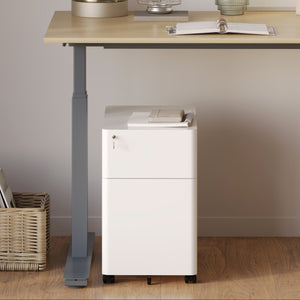






















Filing Cabinet Choices for Cleaner Workstation Planning
Cleaner workstation planning starts with filing storage that matches the desk, document volume, security needs, and daily workflow. Explore how cab...
Learn more
Visit quiz page to see how we makes it easy to create an inspiring workplace


Buying a desk or chair seems simple until weeks of discomfort, clutter, or regret set in. The truth is that office furniture decisions affect your posture, productivity, focus, and long term health. Before making a purchase, it helps to slow down and ask the right questions so your workspace truly supports how you work every day.
The first and most overlooked question is how the furniture will actually be used on a daily basis. Many people buy based on looks or price without thinking about function. Are you working long hours at a computer, switching between tasks, or sharing the space with someone else? A desk for occasional laptop use is very different from one designed for eight hours of focused work.
Think about your workflow. Do you need space for multiple monitors, writing materials, or creative tools? Will you sit all day or alternate between sitting and standing? Your answers here should guide every other decision. A desk or chair that aligns with real daily use will always outperform one chosen purely for aesthetics.
A good desk should encourage movement instead of locking your body into one position. Poor desk height or limited adjustability can cause shoulder tension, wrist strain, and lower back discomfort over time.
Is the desk height compatible with your chair and body proportions?
Can your elbows rest comfortably at a 90 degree angle while typing?
Does it allow your screen to sit at eye level without strain?
If you want more freedom throughout the day, a height adjustable solution can be a game changer. Options like a height adjustable workstation allow you to change positions easily, helping reduce stiffness and fatigue. This type of flexibility supports healthier habits without Is the Desk Designed for Your Space and Storage Needs?
Your desk should complement the size and layout of your room rather than overwhelm it. Oversized desks can crowd smaller spaces, while compact desks may limit functionality in larger rooms.
Do you need drawers for documents or supplies?
Is cable management built into the design?
Will the surface material handle daily wear and spills?
A thoughtfully designed workspace desk solution balances clean aesthetics with practical features. Prioritizing durability, surface space, and organization ensures the desk remains functional as your work needs evolve.
Furniture purchases should be viewed as long term investments rather than short term fixes. Trends change quickly, but comfort and durability remain constant needs. Ask yourself whether the desk will still meet your needs in two or five years.
Quality materials, stable construction, and timeless design matter more than trendy finishes. If you are searching for guidance tied to regional availability and standards, resources related to Office Desk California can offer helpful insight into options built for modern workspaces and long term reliability. Remember, replacing poor quality furniture often costs more in the long run.
Your chair plays a critical role in spinal health and daily comfort. Sitting for extended periods without proper support can lead to chronic pain and reduced focus.
Does the chair support your lower back naturally?
Are the seat depth and width appropriate for your body?
Can you adjust the height easily?
Trusted resources like ergonomic seating guidelines emphasize the importance of lumbar support, seat adjustability, and posture alignment. These principles should guide every chair decision, regardless of style or price point.

Not all bodies are built the same, which is why adjustability is essential. Fixed chairs may look sleek, but they rarely accommodate individual needs.
Arm positioning, seat height, and back tilt all affect comfort throughout the day. Chairs that allow fine tuning help prevent pressure points and muscle strain. Look for features that adapt to you rather than forcing you to adapt to the chair.
|
Consideration |
Desk Focus |
Chair Focus |
|
Primary Role |
Workspace organization |
Posture and spinal support |
|
Adjustability |
Height and surface flexibility |
Seat, back, and arm adjustments |
|
Long Term Impact |
Workflow efficiency |
Physical comfort and health |
|
Common Mistake |
Choosing style over size |
Ignoring ergonomic fit |
Armrests are often underestimated, yet they play a major role in reducing shoulder and neck tension. Poorly positioned armrests can cause strain instead of relief.
Can the armrests move up or down?
Do they align naturally with your desk height?
Are they padded for comfort without being bulky?
Solutions like adjustable ergonomic arm support help maintain neutral arm positioning during typing and mouse use. Proper support allows your shoulders to relax, improving comfort during long work sessions.
A chair that feels comfortable for five minutes in a showroom may feel very different after five hours of work. Long term comfort depends on cushioning quality, breathable materials, and balanced support.
Well designed seating like a high performance ergonomic chair focuses on even weight distribution and responsive support. These features help maintain focus and reduce fatigue, especially for people who work full time at a desk.

Before purchasing any desk or chair, pause and review this checklist to ensure you are making a confident, informed decision:
Does the desk support your daily tasks and movement needs?
Is the desk size appropriate for your room and equipment?
Does the chair promote healthy posture and spinal alignment?
Are key components adjustable for your body type?
Will both pieces remain functional and comfortable long term?
Taking the time to answer these questions helps transform your workspace into a place that supports productivity, comfort, and well being. Smart choices today can prevent discomfort and costly replacements tomorrow.


You have unlocked free shipping!
You're saving $29 and unlocked free shipping!
Leave a comment