
Skip to content
For Teams
Upgrade Your Workspace This Spring with Our Premium Ergonomic Office Furniture | Free Shipping on Orders $65+
FAQ
need to know

Useful articles

Are Adaptable Tables Better Than Standard Desks?

Are Adaptable Tables Better Than Standard Desks?

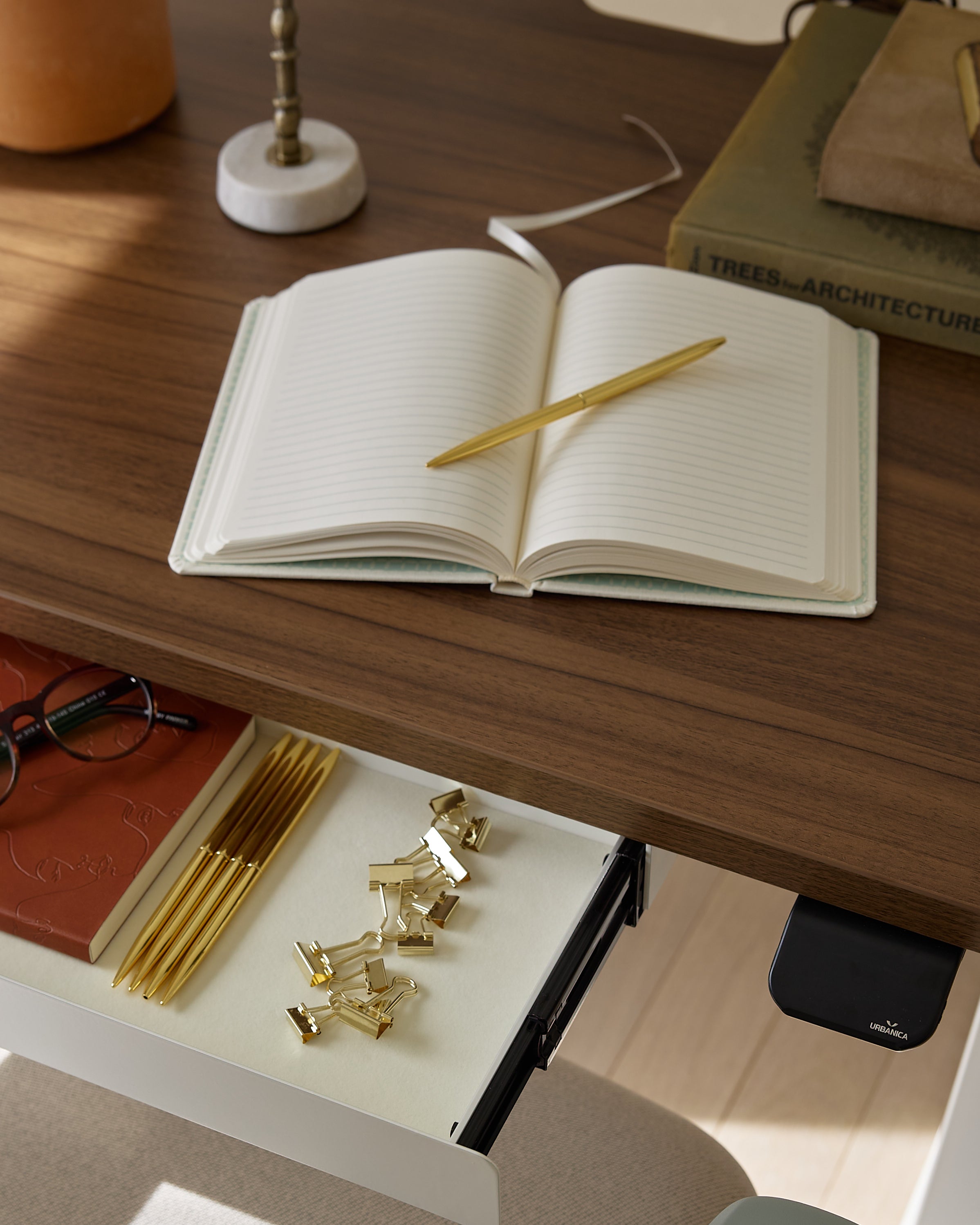
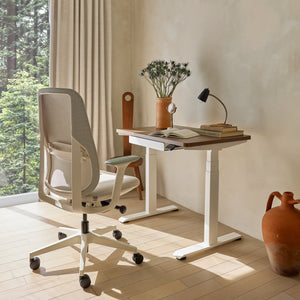
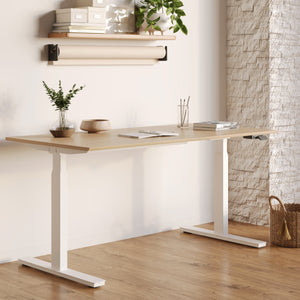
Office desk positioned in contemporary interior

The Evolution of Workspaces Toward Adaptive Design

From Static Layouts to Fluid Environments

Office spaces have changed dramatically over the last two decades. The era of cubicles and rigid layouts has given way to open, flexible environments that support movement, collaboration, and comfort. Businesses now understand that a static workspace often limits creativity and focus, while adaptive design encourages employees to adjust their surroundings to suit the task at hand. This shift has transformed furniture from something functional into something experiential, shaping how people work and feel throughout the day.

Why Adaptability Reflects Modern Work Culture

Adaptability is no longer a luxury; it is an expectation. The modern professional seeks autonomy, mobility, and wellness at work. A workspace that adjusts easily supports those needs. Adjustable tables and desks have become symbols of a more human-centered work philosophy, aligning with the priorities of remote workers, startups, and evolving office cultures.
To see this concept in practice, explore our modern desk collection, where each design reflects flexibility and style aligned with contemporary work needs.

Ergonomics and Human Health — The Science Behind Movement

Understanding Ergonomic Principles in Desk Design

Ergonomics is the science of fitting the workspace to the user, not the other way around. When furniture promotes natural posture, it prevents strain, fatigue, and long-term discomfort. Adaptable tables allow small, frequent adjustments in height or angle, which helps maintain healthy circulation and alignment during long work sessions.

The Health Impact of Prolonged Sitting

Extended periods of sitting can lead to musculoskeletal stress, reduced metabolism, and mental fatigue. Alternating between sitting and standing encourages muscle engagement and increases energy. This practice aligns with recommendations from occupational health experts, including the OSHA ergonomics guidelines, which highlight the importance of adjustable workstations in minimizing repetitive stress injuries.

Active Ergonomics as a Cognitive Enhancer

Movement stimulates oxygen flow and promotes alertness. Workers who change posture regularly often experience improved focus and creativity. Adaptable furniture encourages this by removing the friction of adjustment—users can switch between modes effortlessly, maintaining comfort and concentration throughout the day.

What Sets Adaptable Tables Apart from Standard Desks

Key Functional Differences

The most significant difference lies in adjustability. Adaptable tables typically feature manual or electric height controls that allow for smooth transitions between sitting and standing. They may also include modular leg systems or detachable components that support different working styles.
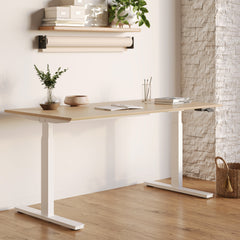
The adjustable standing desk is a clear example of how engineering can enhance functionality without compromising aesthetics, offering both ergonomic support and sleek form.

Material and Build Considerations

Both adaptable and standard desks can be made from durable materials such as steel, engineered wood, or solid hardwood. However, adaptable tables often include additional mechanisms, requiring precision in construction to maintain stability. Quality craftsmanship ensures that adjustments remain smooth and secure, even after repeated use.

Task-Specific Suitability

While adaptable tables suit dynamic work environments, there are still cases where a fixed-height desk performs best. For roles that demand prolonged seated concentration or consistent positioning, a traditional design provides steady comfort and simplicity. The ergonomic office desk illustrates this balance, offering a refined form for focused work while maintaining support for long sessions.

Collaborative Efficiency and Multi-User Adaptation

Shared Workstations and Team Fluidity

In open offices and shared studios, flexibility extends beyond the individual. Adjustable tables accommodate different users’ needs quickly, supporting back-to-back meetings, hot-desking, or collaborative projects. A design such as the two-person standing office desk makes this possible by providing an adaptable setup that can meet multiple preferences simultaneously.

Team Synergy Through Spatial Flexibility

When teams can rearrange their workspace freely, communication and collaboration improve. Adaptive workstations enable groups to move from individual tasks to brainstorming sessions without leaving their area. This seamless adaptability fosters a culture of creativity and cooperation.

Productivity Metrics in Shared Adaptive Workstations

Studies show that mobility within a workspace enhances energy and engagement. Multi-user adaptable tables not only support inclusivity—allowing different body types and preferences—but also reduce setup time when switching between users, increasing overall workflow efficiency.

Compact Adaptability — Small Spaces, Big Functionality

The Rise of Micro-Offices and Home Workspaces

As remote work becomes a norm, compact spaces have become the new frontier of functional design. Professionals need desks that fit seamlessly into small apartments or flexible home setups. Adaptable tables excel here, providing ergonomic support without requiring a large footprint.

Ergonomic Solutions for Limited Spaces

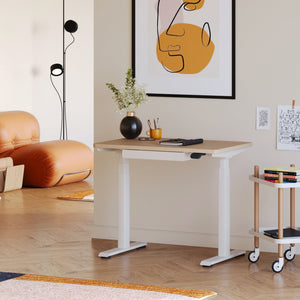
A compact mini standing desk embodies this idea perfectly. It fits neatly into tight corners while offering the health benefits of posture variation. Compact adaptable furniture can also serve dual purposes, transitioning from work surfaces to leisure tables when needed, maximizing both space and value.

The Visual Psychology of Space

Cluttered environments can lead to stress and distraction. Adaptable tables contribute to visual simplicity by reducing the need for multiple pieces of furniture. Clean lines and hidden mechanisms support both physical and mental clarity, reinforcing a calm and productive environment.

Scaling Productivity with Modular Workstations

Adaptive Systems for Larger Teams

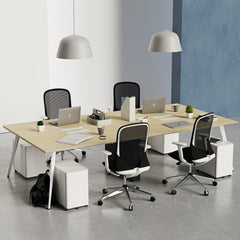
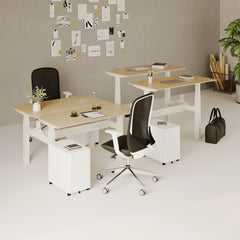
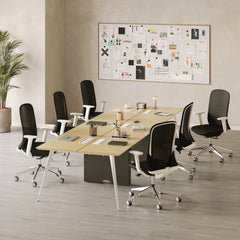
As organizations grow, they often face challenges in maintaining space efficiency and team cohesion. Modular furniture systems address these concerns. The quad workstation system provides a clear example of how multiple users can work comfortably within a single, adaptable structure that allows individualized height settings. Similarly, the six-person modular workstation scales collaboration while maintaining ergonomic flexibility for every user.

Efficiency in Layout and Communication

When workspace design allows quick reconfiguration, it reduces downtime and supports evolving team dynamics. Modular tables make it easy to shift from collaborative to private setups without major disruption.

Space Planning and Design Flexibility

Adaptable systems also aid in better floor planning. They can adjust to various office layouts, ensuring no space is wasted. This flexibility means companies can grow or reorganize without fully redesigning their work areas.

Cost-Effectiveness and Lifecycle Value

Modular furniture offers an advantage over time because individual components can be replaced or upgraded without discarding the entire system. This not only reduces waste but also supports long-term sustainability—a growing priority in modern office design.

Comparative Performance Insights

Data-Backed Evaluation of Desk Performance

The contrast between adaptable and standard desks can be viewed through measurable aspects of comfort and productivity.

Feature / Metric Adaptable Tables Standard Desks
Height Adjustability Full range (manual or electric) Fixed height
Ergonomic Comfort User-controlled and dynamic Preset, limited adjustment
Productivity Impact Moderate increase from movement Stable baseline
Space Adaptability Modular, flexible Static footprint
Health Benefits Supports posture change and circulation May promote sedentary habits
Average ROI Steady, through wellness and efficiency Neutral baseline


Understanding ROI Beyond Monetary Metrics

Return on investment with adaptable tables goes beyond cost. The value lies in improved comfort, reduced strain, and higher employee satisfaction. Over time, these factors contribute to well-being, reduced fatigue, and consistent performance—benefits that extend far beyond the financial calculation.

Future Trends in Adaptive Furniture Design

Integration of Smart Technologies

Emerging desk designs are exploring subtle integrations of intuitive controls, such as preset height memory or motion reminders. These features make adjustments easier while maintaining the minimalist look users prefer.

Sustainability and Circular Manufacturing

Furniture longevity and material reusability are becoming key differentiators. Adaptable systems are often designed with replaceable components, reducing waste and promoting circular design practices. Many manufacturers now focus on sustainably sourced wood, recyclable metals, and low-emission finishes.

Cultural Shifts Toward Responsive Workspaces

Organizations are recognizing that comfort and adaptability directly influence retention and engagement. Providing employees with environments that respond to their needs signals respect and forward thinking. Adaptive furniture plays a vital role in that message.

Choosing the Right Desk for Your Workflow

Decision Framework for Buyers

Selecting between an adaptable table and a standard desk depends on several factors: the type of work performed, available space, and user preference. Those who engage in long sessions requiring focus may prefer the steadiness of a fixed desk, while multitaskers benefit from adjustable setups.

Practical Considerations Before Purchase

Weight capacity, motor reliability, material quality, and warranty support are all practical aspects to consider. A thoughtful approach ensures longevity and comfort, regardless of workspace type.

Adaptability as a Long-Term Investment in Wellbeing

Beyond Utility — Furniture as an Expression of Care

An adaptable table represents more than a functional upgrade; it is a statement about workplace values. When employees see that their comfort and health are prioritized, it reinforces a culture of care and commitment.

The Lasting Case for Adaptable Tables

Adaptable furniture aligns with the evolving nature of work itself—fluid, collaborative, and wellness-oriented. While traditional desks retain relevance in focused settings, adaptable tables stand out as the foundation of modern workspace design. They reflect a promise of flexibility and support that grows with every professional and every environment.

Previous article Best Monitor Stand Ideas for Two-Screen Workstations Without Visual Clutter

Leave a comment

* Required fields

Get 10% off your first order

Find the office furniture that’s designed to match your style, comfort, and needs perfectly. Subscribe

My Office

You have unlocked free shipping!

You're saving $29 and unlocked free shipping!


Your cart is empty.
Start Shopping

Contact Us