









A Minimalist Workspace Plan That Works

Less Mess, More Focus
A minimalist workspace isn’t about having an empty desk or living like you own nothing. It’s about keeping what supports your focus and removing what quietly steals your attention. When your desk feels clear, work feels lighter. You spend less time searching for things, less time feeling overwhelmed, and more time actually getting things done. These minimalist workspace rules will help you decide what to keep, what to remove, and how to create a setup that stays clean without constant effort.
Minimalism Isn’t Empty, It’s Intentional
A lot of people hear “minimalist workspace” and imagine a blank desk with nothing but a laptop and a single pen. That might look nice in photos, but real life usually needs a bit more. You might take calls, write notes, charge devices, use a second screen, or keep supplies nearby.
The goal is not to remove everything. The goal is to remove the things that don’t serve your daily work.
Minimalism works best when you focus on function:
-
Does this item help me work better today?
-
Do I use it weekly?
-
Does it reduce friction or create it?
-
Does it make my desk calmer or busier?
When you start making decisions based on function, your workspace becomes easier to maintain. You stop buying random organizers. You stop shuffling piles around. You stop cleaning the same clutter over and over.
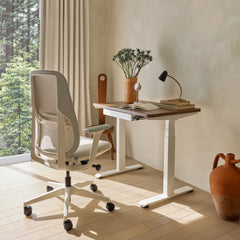
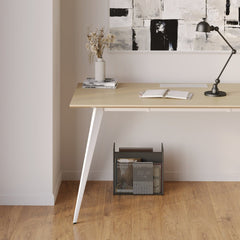
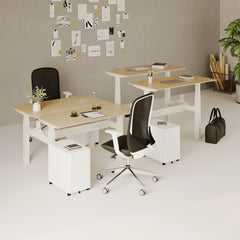
A simple, stable desk setup also matters more than people think. A clean Office Desk Los Angeles workspace makes it easier to practice minimalism because your surface feels balanced and purposeful instead of cramped or chaotic.
The “Keep” List (Minimalist Essentials That Earn Their Spot)
A minimalist workspace doesn’t mean you can’t have essentials. It means your essentials are chosen on purpose.
Keep Only What Supports Your Daily Work
Your Primary Tools
These are the items you use constantly. If you remove them, your workflow gets worse.
Your Comfort Tools
Comfort is part of productivity. If something reduces strain, it often deserves a place.
Minimalist Workspace “Keep” List (Bullet List)
-
laptop or desktop computer
-
keyboard and mouse (if you use them daily)
-
one notebook or planner
-
one pen you actually like using
-
water bottle or coffee cup (only one at a time)
-
one charging cable for daily use
-
one small tray for loose items (optional but helpful)
Bullet Tips to Keep Your Desk Clean Without Feeling Empty
-
keep duplicates out of sight (extra pens, extra chargers)
-
keep only one active notebook on your desk
-
keep your daily tools within arm’s reach
-
keep your desk surface open enough to work comfortably
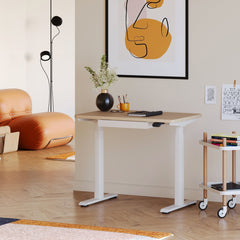
If you want a workspace that supports minimalism long-term, a clean and flexible standing desk setup can help because it encourages better posture, movement, and a more intentional layout that doesn’t rely on piles or quick fixes.
The “Remove” List (The Stuff That Makes Your Desk Feel Busy)
The fastest way to build a minimalist workspace is removing the clutter that creates visual noise.
Remove What Adds Stress Without Adding Value
The Common Clutter Traps
These are the items that slowly take over your workspace because they feel “useful,” but rarely get used.
The “Just in Case” Items
Most clutter comes from fear-based storage. People keep things nearby because they worry they’ll need them. Minimalism works when you store those items properly instead of keeping them in sight.
Minimalist Workspace “Remove” List (Bullet List)
-
old receipts and junk mail
-
empty boxes and packaging
-
duplicate chargers and random cables
-
paperwork piles with no category
-
broken pens, dried-out markers, dead batteries
-
decor that collects dust and blocks space
-
anything you haven’t touched in 30 days
Bullet Tips for Removing Clutter Fast
-
clear your desk corners first (they collect junk fastest)
-
remove anything that doesn’t belong in your office
-
don’t sort everything at once, just remove obvious clutter
-
create one “to file” folder instead of stacking papers
Minimalism isn’t hard. It’s just a series of small decisions that stop clutter from returning.
Your Desk Should Not Be a Storage Unit
If your desk is holding paperwork, supplies, mail, tech accessories, and personal items all at once, it stops being a workspace. It becomes a storage shelf with a laptop on top.
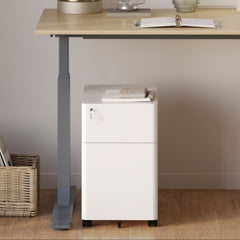
A minimalist desk should be a work zone first. Storage should happen around it, not on it.
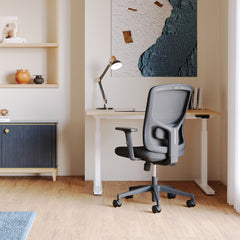
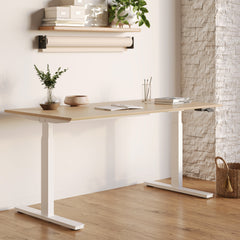
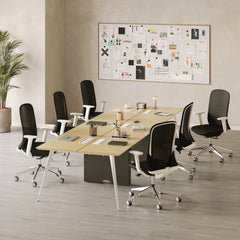
This is why the right desk matters. A clean office desk setup helps you maintain minimalist rules because it gives you enough space to work without encouraging clutter piles. When your desk feels balanced, it’s easier to keep it clear.
A good minimalist desk setup usually looks like:
-
one clear work surface
-
one dedicated charging spot
-
one notebook or planner
-
one area for essentials
-
everything else stored away
That’s how you get a workspace that stays clean without constant effort.
Minimalist Rules for Layout (So Your Desk Stays Clear Daily)
Minimalism isn’t only about what you own. It’s also about where things live.
Use Simple Zones to Control Visual Clutter
Zone 1 — Work Zone
This area stays open. It’s for your laptop, keyboard, and daily work.
Zone 2 — Charging Zone
All charging happens in one spot. This prevents cords from spreading.
Zone 3 — Quick-Access Zone
This is where your notebook and one pen live.
Layout Rules That Keep Your Desk Minimal (Bullet List)
-
keep the center of the desk open
-
keep chargers in one corner only
-
keep loose items in one small tray
-
keep your desk decor limited to one item max
-
keep papers in one folder, not multiple piles
Bullet Tips for Keeping a Minimal Layout
-
stop moving things daily (consistency keeps it clean)
-
return items to the same spot every time
-
reset your desk in 2 minutes at the end of the day
-
keep your workspace “ready” for tomorrow
A minimalist workspace is less about cleaning and more about preventing mess in the first place.
Minimalism Feels Better When Your Setup Is Ergonomic
A minimalist desk looks nice, but it also needs to feel good to use. If your setup is uncomfortable, you’ll constantly rearrange things. You’ll stack books under your screen. You’ll shift your chair. You’ll move your laptop around. And clutter will come back because you’re trying to fix discomfort with temporary solutions.
One of the easiest upgrades for a minimalist workspace is lifting your screen off the desk. A flexible monitor arm helps keep your desk surface clear while improving your posture and freeing up space underneath your monitor.
Minimalism works best when your desk supports your body, not just your aesthetic.
Minimalist Workspace Checklist (Keep vs. Remove Table)
Here’s a simple way to decide what stays on your desk and what should go.
|
Item |
Keep on Desk? |
Why |
Better Place If Removed |
|
Laptop / computer |
Yes |
Primary tool |
N/A |
|
Notebook (one) |
Yes |
Daily planning |
Shelf or drawer for extras |
|
Pens (one or two) |
Yes |
Daily use |
Store extras away |
|
Chargers (one set) |
Yes |
Essential |
Drawer for backups |
|
Paper stacks |
No |
Creates visual stress |
Folder or cabinet |
|
Random cables |
No |
Adds clutter fast |
Storage box |
|
Decor items (many) |
No |
Dust + distraction |
Keep one max |
|
Old receipts |
No |
Useless clutter |
Trash or file |
|
Extra supplies |
No |
Rarely used daily |
Drawer or cabinet |
A minimalist workspace stays clean when decisions are simple.
Minimalist Design Inspiration (Without Making Your Desk Feel Cold)
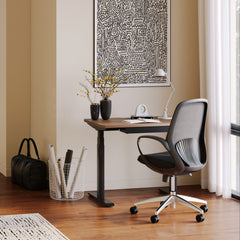
Minimalist design isn’t about making your workspace feel sterile. It’s about creating calm. A warm minimalist desk can still feel personal and comfortable.
Minimalism Can Still Feel Like You
Keep One Personal Touch
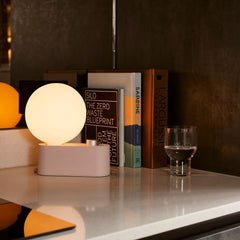
One framed photo. One small plant. One candle you actually use. The key is keeping it intentional.
Focus on Clean Visual Lines
Minimalism looks best when your desk surface stays open and your layout stays consistent.
If you enjoy the style side of minimalism too, this minimalism trend breaks down why simplified design has become so popular in modern interiors.
Minimalist Style Rules That Still Feel Cozy
-
choose one accent item, not five
-
keep your colors consistent
-
hide clutter instead of organizing it on top
-
keep your lighting soft and practical
Bullet Tips for a Minimal Workspace That Feels Warm
-
use a neutral desk surface and simple accessories
-
keep your chair comfortable so you enjoy the space
-
keep one scent or plant for atmosphere
-
keep your desk reset routine short and realistic
Minimalism should make your day easier, not make your desk feel like a showroom.
The “2-Minute Reset” That Makes Minimalism Stick
The secret to keeping a minimalist workspace isn’t motivation. It’s a daily reset.
At the end of the day, take two minutes to:
-
throw away trash
-
file loose papers into one folder
-
return your notebook and pen to their spot
-
clear cups or dishes
-
plug in your device if needed
That’s it.
This tiny habit keeps clutter from building. It also makes tomorrow easier because you start with a clean desk instead of cleaning before you can work.
Minimalism becomes automatic when your reset is simple enough to do even on busy days.
The Clean-Desk Promise (Minimalist Checklist to Keep It Going)
Minimalist workspace rules work because they reduce friction. You stop managing clutter and start preventing it. Your desk becomes a place where you can focus quickly, feel calm, and work without distraction.
Checklist: Minimalist Workspace Rules to Follow Weekly
-
keep only daily tools on the desk
-
remove duplicates and store backups away
-
limit decor to one personal item
-
keep papers in one folder, not piles
-
keep charging in one corner only
-
reset your desk in 2 minutes daily
-
remove anything you haven’t used in 30 days
-
keep your layout consistent so it stays easy
Minimalism isn’t about having less for the sake of it. It’s about having a workspace that supports your best work.
Related Articles
-
 Desk Setup With Laptop and 2 Monitors Needs Better Height
-
 Desk Width Requirements for Dual Monitor Setups That Still Fit Small Rooms
-
 How Deep Should a Desk Be for 2 Monitors to Prevent Neck and Eye Strain
-
 Flexible Living: Why Modular Furniture Is Changing Modern Homes
-
 Where the Right Desk Design Makes Work Flow
-
 Computer desk for dual monitors that supports monitor arms without wobble


