



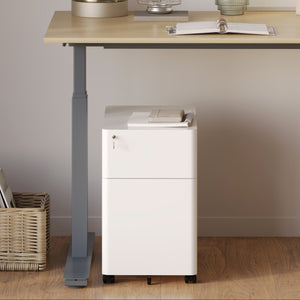






















Filing Cabinet Choices for Cleaner Workstation Planning
Cleaner workstation planning starts with filing storage that matches the desk, document volume, security needs, and daily workflow. Explore how cab...
Learn more
Visit quiz page to see how we makes it easy to create an inspiring workplace


Working from home was supposed to feel freeing. No commute, flexible hours, and a space that feels personal. Yet for many people, working from home feels more exhausting than working in an office ever did. By midday, focus drops, posture slips, and discomfort quietly settles in. The problem is not remote work itself. It is the furniture choices most people make without realizing how much damage they cause over time. This guide breaks down the most common work-from-home furniture mistakes and how to fix them before they affect your health and productivity.
Home offices usually start as an afterthought. A spare corner, a dining table, or a desk that happened to fit the room becomes the workspace. Unlike traditional offices, home setups rarely consider ergonomics, posture, or long hours of use.
Most people design home offices for convenience, not sustainability. Furniture looks fine for short tasks but fails during full workdays. Over time, these compromises turn into habits that strain the body and drain energy faster than expected.
Many people assume smaller furniture is automatically better for home offices. While size matters, proportion matters more. Furniture that is too low, too shallow, or too narrow forces the body into awkward positions.
Desks that sit below elbow height
Chairs that do not support the lower back
Surfaces that limit movement
These issues often feel minor at first but worsen with daily use.
Kitchen chairs, stools, and coffee tables were never designed for eight-hour workdays. Using them daily trains the body into poor posture without immediate warning signs.
Furniture that cannot adapt to your height, posture, or movement locks you into one position. Over time, this increases stiffness and fatigue.
When furniture does not support movement, muscles stay tense for too long. This reduces circulation and leads to early exhaustion.
Rounded shoulders and compressed posture reduce lung capacity. Less oxygen means lower energy and slower thinking.
Even mild discomfort pulls focus away from tasks. According to ergonomic workstation guidance, proper setup reduces strain and supports sustained concentration.
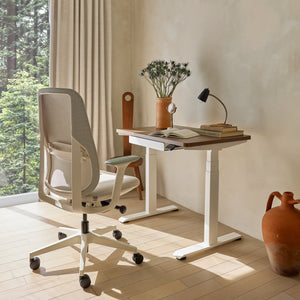
Desks are often chosen last, yet they define how the entire workspace functions. A desk that is too high raises the shoulders. One that is too low forces the spine to curve forward. Depth also matters. Shallow desks pull screens too close, while overly deep desks strain the neck.
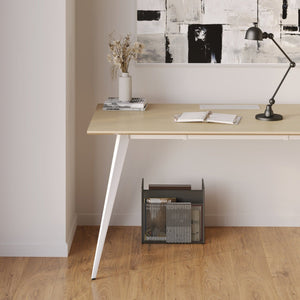
A well-proportioned office desk supports neutral posture by keeping screens at eye level and arms relaxed. Desk choice should support workflow, not limit it.
Without natural office breaks, people sit longer at home. Furniture that does not encourage movement amplifies the strain.
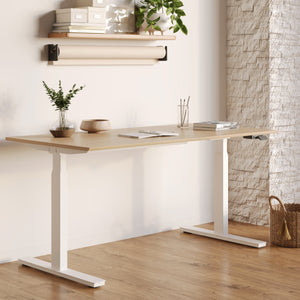
A standing desk allows posture changes throughout the day, reducing spinal compression and muscle fatigue.
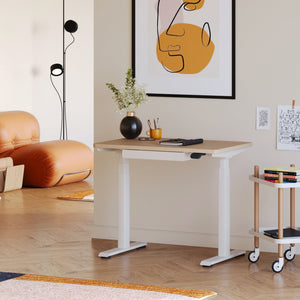
For compact setups, a small standing desk California shows how space-efficient furniture can still support healthy movement.
Chairs are often chosen for appearance or price rather than function. Many home offices use chairs designed for short sitting periods, not prolonged work. Without proper support, the spine collapses into unhealthy positions.
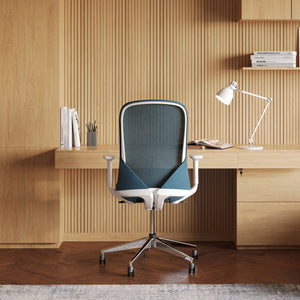
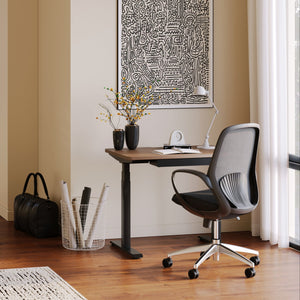
A supportive office chair reduces pressure on the lower back, supports natural curves, and allows small posture adjustments throughout the day. Comfort should feel effortless, not forced.
|
Furniture Mistake |
Short-Term Effect |
Long-Term Impact |
|
Fixed desk height |
Shoulder tension |
Chronic neck pain |
|
Non-supportive chair |
Lower back fatigue |
Postural imbalance |
|
No arm support |
Shoulder strain |
Upper spine discomfort |
|
Sitting all day |
Stiffness |
Reduced mobility |
This table highlights how small furniture decisions compound into larger issues over time.
Unsupported arms pull the shoulders forward and strain the neck. An ergonomic arm supports neutral shoulder alignment and reduces upper-body tension.
Screens placed too low force the head forward. Proper elevation reduces cervical strain.
Input devices should sit at elbow height to prevent wrist and shoulder tension.
Correcting furniture mistakes does more than relieve pain. It improves focus, energy, and work satisfaction. When the body feels supported, the mind stays engaged longer. Tasks feel less draining, and workdays end with more energy left over.
Work-from-home success depends on sustainability. Furniture should support your body across months and years, not just get you through the day.
Before sitting down tomorrow, run through this checklist:
My chair supports my spine without effort
My desk allows relaxed shoulders and arms
I can change positions throughout the day
Screens sit at eye level
My setup encourages movement, not stiffness
Work-from-home furniture should work with your body, not slowly wear it down. Fixing these common mistakes turns remote work into something that feels lighter, healthier, and far more productive.


You have unlocked free shipping!
You're saving $29 and unlocked free shipping!
Leave a comment