



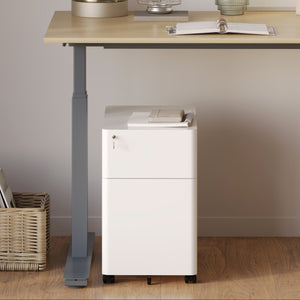






















Filing Cabinet Choices for Cleaner Workstation Planning
Cleaner workstation planning starts with filing storage that matches the desk, document volume, security needs, and daily workflow. Explore how cab...
Learn more
Visit quiz page to see how we makes it easy to create an inspiring workplace


Most people think productivity is about discipline, time management, or motivation. While those factors certainly matter, the physical workspace also plays a major role in how effectively someone works throughout the day. The arrangement of a desk, the quality of furniture, and the way tools are organized can influence focus, comfort, and energy levels.
A cluttered or uncomfortable workspace can make even simple tasks feel frustrating. On the other hand, a thoughtfully designed desk setup allows individuals to concentrate more easily and work more efficiently. The desk itself becomes the foundation of daily productivity.
Choosing a well-designed Office Desk California solution can transform a workspace from a temporary setup into a structured and supportive environment. When furniture supports workflow rather than getting in the way, it becomes easier to maintain consistent productivity.
In modern work environments, the desk setup is no longer just a place to sit and work. It has become a central tool that shapes how people approach their daily responsibilities.
The desk is where most work activities take place. From writing emails to managing projects and attending virtual meetings, the desk serves as the primary hub for daily tasks. Because of this, its design and layout can significantly influence productivity.
A poorly designed desk often leads to clutter, discomfort, and inefficient workflows. Limited surface space can make it difficult to organize documents, devices, and accessories. Over time, this lack of structure creates distractions and reduces efficiency.
In contrast, a well-designed desk provides enough space to organize essential tools while maintaining a clean working environment. A structured desk layout encourages users to focus on tasks rather than constantly adjusting or reorganizing their workspace.
When the desk functions properly, the entire workday becomes smoother. Individuals can move between tasks more easily, maintain concentration longer, and reduce the frustration that often comes from poorly designed workstations.
The desk is not just a surface for work. It is a platform that supports productivity, organization, and comfort.
Many workers spend long hours sitting at their desks without moving. While sitting may feel comfortable initially, remaining in the same position for extended periods can lead to fatigue and reduced concentration.
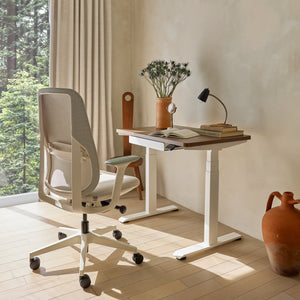
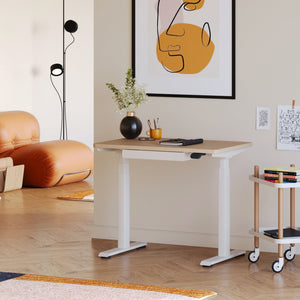
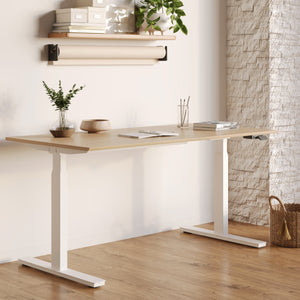
Using an adjustable standing desk allows users to switch between sitting and standing throughout the day.
Benefits include:
• Encouraging healthy movement during long work sessions
• Improving circulation and energy levels
• Supporting better posture
• Reducing physical fatigue
Alternating positions throughout the day helps maintain alertness. When workers feel physically energized, they are more likely to remain mentally focused as well.
Flexible workstations help maintain productivity by supporting natural body movement.
Visual clutter can easily become a source of distraction. When a desk is filled with scattered papers, cables, and unnecessary items, the brain must constantly filter out irrelevant visual information.
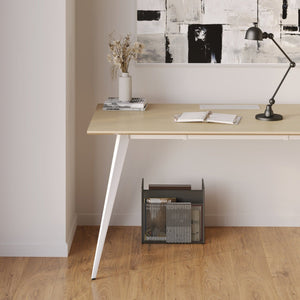
A functional office desk helps keep essential tools accessible while preventing unnecessary clutter.
Effective organization strategies include:
• Keeping frequently used items within reach
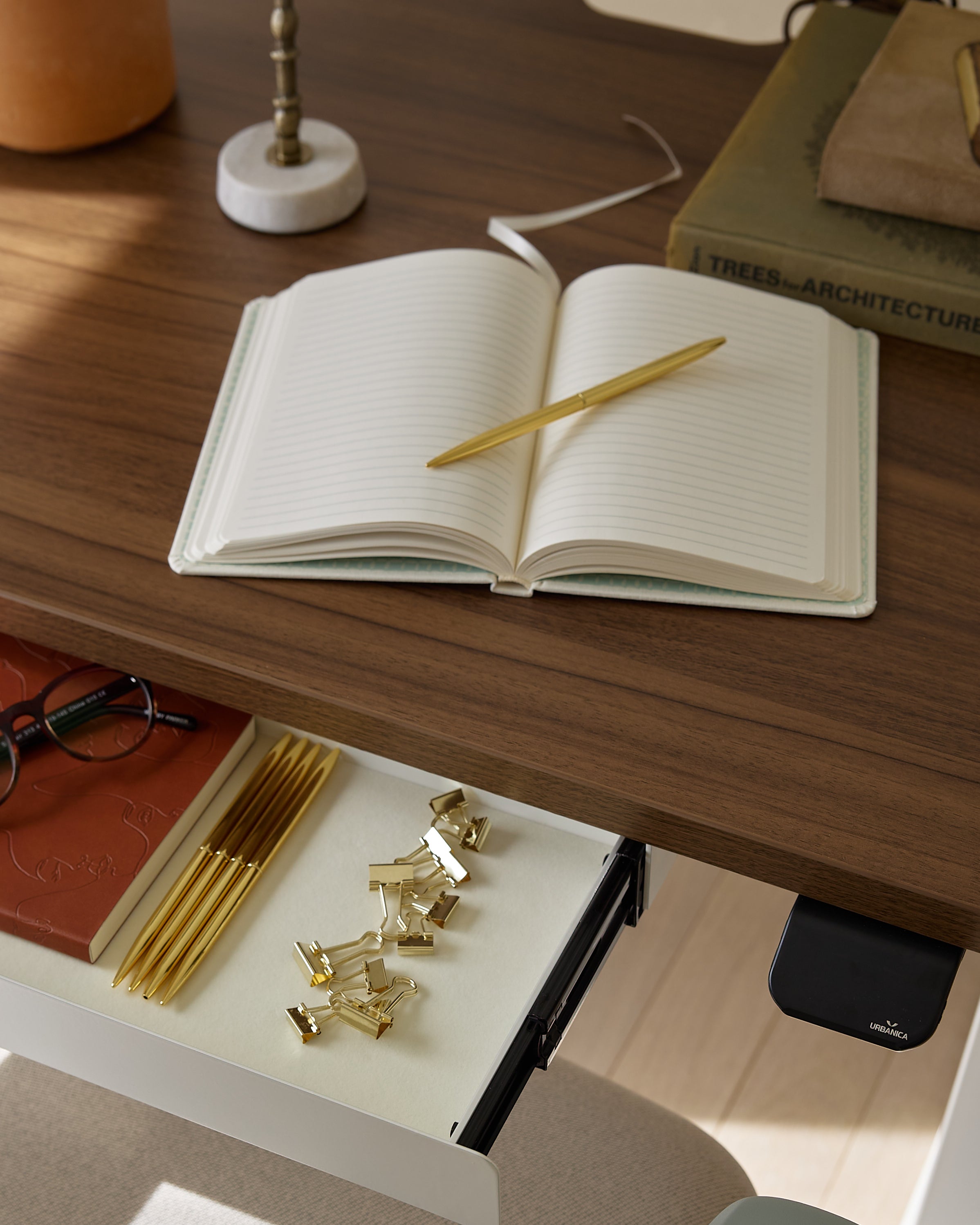
• Storing documents and accessories in drawers
• Maintaining clear desk surfaces
• Managing cables to reduce visual clutter
A clean workspace allows individuals to focus entirely on their work without constant visual distractions.
Organized desks often lead to more productive work habits.
The physical environment surrounding a workspace has a measurable impact on how people perform their tasks. According to research on workspace productivity design, factors such as layout, lighting, and furniture arrangement directly influence concentration and efficiency.
A thoughtfully designed desk setup creates a sense of structure and purpose. When everything has a designated place, workers spend less time searching for tools and more time focusing on important tasks.
Interior design principles are now being applied to workspaces because environment and productivity are closely connected. A well-designed desk setup can improve motivation and help maintain consistent work habits.
In many cases, improving productivity does not require drastic changes. Small adjustments to furniture layout and workspace organization can make a significant difference.
Improper screen placement is one of the most common problems in desk setups. When monitors are too low or too high, users often strain their necks and shoulders.
A monitor arm allows screens to be positioned at eye level and adjusted easily.
Advantages include:
• Improving viewing angles
• Reducing neck strain
• Freeing up desk space
• Maintaining a clean workstation
Proper monitor positioning allows individuals to focus on tasks without constantly adjusting their posture.
A well-arranged desk setup supports both comfort and productivity.
Comfort plays a critical role in maintaining productivity. When individuals feel physically uncomfortable, they often struggle to concentrate on their work.
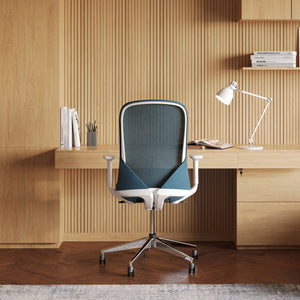
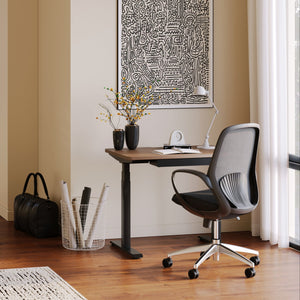
A supportive ergonomic office chair helps maintain proper posture and reduces strain on the back and shoulders during extended work sessions.
Good seating allows workers to remain focused on their tasks rather than shifting positions repeatedly to relieve discomfort.
Comfortable furniture contributes directly to productivity by allowing individuals to work longer without fatigue.
|
Workspace Element |
Purpose |
Benefit |
|
Adjustable desks |
Flexible work positions |
Encourage movement |
|
Ergonomic chairs |
Posture support |
Reduce fatigue |
|
Monitor arms |
Screen positioning |
Improve viewing comfort |
|
Organized desks |
Clutter reduction |
Improve focus |
|
Spacious layouts |
Task efficiency |
Reduce distractions |
These elements work together to create a workspace that supports productivity and comfort.
The way items are arranged on a desk can influence how efficiently tasks are completed.
Consider the following layout strategies:
• Keep the keyboard and mouse directly in front of you
• Position monitors at eye level
• Store frequently used tools within reach
• Use desk organizers to maintain order
When the desk layout supports natural work movements, tasks become easier to complete.
Structured workspaces encourage consistent productivity.
Over time, the design of a desk setup begins to influence work habits. A comfortable and organized workspace encourages individuals to sit down and focus without hesitation.
In contrast, cluttered or uncomfortable setups often lead to procrastination and frustration. Workers may delay tasks simply because the environment feels unpleasant.
Creating a workspace that supports positive habits can improve motivation and long-term productivity. When the desk feels welcoming and functional, it becomes easier to maintain consistent work routines.
Furniture and layout choices play a crucial role in shaping these daily habits.
Creating an effective desk setup requires thoughtful planning and the right furniture.
Use this checklist to improve your workspace:
• Choose a desk designed specifically for work tasks
• Maintain clear and organized desk surfaces
• Use adjustable desks to encourage movement
• Position monitors at eye level
• Invest in ergonomic seating
• Organize cables and accessories
• Keep frequently used tools within reach
• Avoid unnecessary clutter
• Maintain consistent workspace layouts
• Prioritize comfort and functionality
A well-designed desk setup supports both productivity and comfort. When furniture and layout work together, the workspace becomes an environment where focus, efficiency, and motivation naturally thrive.


You have unlocked free shipping!
You're saving $29 and unlocked free shipping!
Leave a comment