



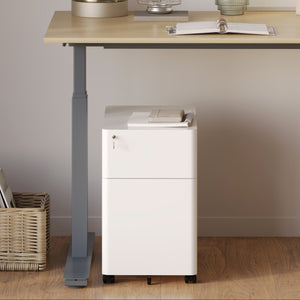






















Filing Cabinet Choices for Cleaner Workstation Planning
Cleaner workstation planning starts with filing storage that matches the desk, document volume, security needs, and daily workflow. Explore how cab...
Learn more
Visit quiz page to see how we makes it easy to create an inspiring workplace


Healthy work habits start with the environment around you. When your furniture supports your natural posture and daily movements, your body feels less strain and more energy throughout the day. Ergonomic furniture helps create balance by reducing tension, improving alignment, and supporting long term comfort. This guide explores how these pieces contribute to better health and higher productivity, and why each choice matters in your everyday routine.
Ergonomics focuses on aligning your surroundings with the way your body naturally moves. When your workspace matches your physical needs, you work more comfortably and efficiently. This connection between comfort and performance becomes even more important during long hours of sitting or typing.
Less strain on the lower back and neck.
Improved circulation from healthier posture.
Greater focus during long work periods.
A well adjusted workspace reduces unnecessary tension and allows your mind to stay on your tasks rather than discomfort.
The foundation of a healthy setup begins with a supportive desk surface. A properly sized and positioned desk keeps your shoulders relaxed, your wrists aligned, and your screen at a comfortable height. Choosing an Office Desk Los Angeles option gives you a solid surface that supports everyday tasks while aligning your body naturally.
It positions your screen at eye level.
It prevents unnecessary leaning.
It supports smoother arm placement.
When your desk provides the right balance of height and space, you build healthier habits without forcing your body into awkward positions.
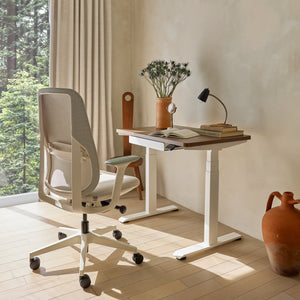
Incorporating movement throughout the day prevents stiffness and boosts energy levels. A height flexible standing desk gives you more opportunities to change positions and stay engaged physically. Even small posture shifts help reduce fatigue from long hours spent sitting.
It encourages natural transitions between sitting and standing.
It activates your core without strain.
It prevents the slow buildup of tension.
Movement supports productivity because a comfortable body allows for a clearer mind.
Your desk surface plays an important role in productivity. A versatile office desk helps organize your workflow and gives you enough room to work efficiently. A good setup places essential items within reach, keeps clutter away from your hands, and supports your natural working rhythm.
Use vertical storage to save space.
Keep frequently used tools in easy reach.
Position screens to reduce head tilting.
Even small layout improvements can make daily work feel smoother and less tiring.
Studies show that ergonomics improves both comfort and productivity. Research on posture and workplace efficiency from reputable ergonomic studies highlights how supportive seating and surfaces significantly reduce muscle strain. These findings reinforce the value of investing in furniture that adapts to your needs rather than limiting your movement.
Proper alignment reduces the risk of repetitive strain.
Adjustable furniture increases long term comfort.
Supportive workstations improve performance on detailed tasks.
Science supports what many workers feel daily. Comfort creates clarity and better output.

Arm support often gets overlooked, even though it helps reduce pressure on the shoulders and upper back. A supportive ergonomic arm gives your arms a stable resting point during typing, reading, or writing tasks. When your arms stay relaxed, your entire upper body benefits.
It prevents the shoulders from lifting upward.
It keeps your wrists in a more neutral angle.
It lessens the tension that builds during long computer sessions.
Proper arm support helps maintain comfort throughout your workday.
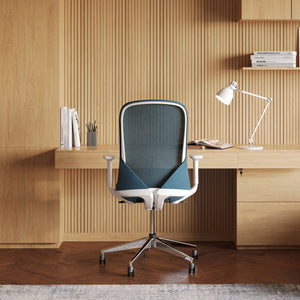
A chair that supports natural movement helps your spine stay aligned and active. A comfortable ergonomic chair improves posture by encouraging small movements that activate stabilizing muscles. These subtle motions prevent the stiffness that appears when sitting still for extended periods.
It reduces lower back pressure.
It increases overall comfort.
It keeps circulation steady through the day.
A supportive chair helps your body work with more ease and less strain.
|
Feature |
Traditional Furniture |
Ergonomic Furniture |
|
Body Alignment |
Often uneven or forced |
Supports natural posture |
|
Movement |
Limited |
Encourages subtle adjustments |
|
Comfort Over Time |
Decreases during long use |
Stays steady through long sessions |
|
Productivity Support |
Minimal |
Helps maintain focus |
|
Muscle Tension |
Builds quickly |
Reduced significantly |
|
Adaptability |
Fixed positions |
Adjustable and flexible |
Comfort affects your mind more than most people realize. When your body feels supported, your focus lasts longer and your thoughts stay clearer. Ergonomic furniture removes physical distractions so you can focus better on creative work, planning, writing, or complex tasks.
Fewer breaks caused by discomfort.
Longer focus periods.
More consistent energy.
A calmer body helps create a calmer mind.
Ergonomic furniture supports your body now but also protects it for the future. Healthy posture habits reduce the risk of long term issues like chronic back pain or repetitive strain injuries. These small daily habits pay off through better mobility, comfort, and wellness over time.
Better joint alignment.
Reduced muscle tension.
More natural body mechanics.
Investing in ergonomics is an investment in long term health.
Use this checklist to create a supportive, efficient setup that matches your needs.
Ergonomic Workspace Checklist
A height appropriate desk surface.
Supportive seating with proper back alignment.
Arm support to reduce shoulder tension.
Screen positioned at eye level.
Adequate lighting that prevents eye strain.
A routine that includes movement breaks.
Storage that keeps your work surface clear.
A layout that supports natural posture.
Tools placed within easy reach.
Space that encourages gentle adjustments.
Ergonomics is not about having a large office or high end equipment. It is about choosing pieces that work with your body and routine. Even small improvements can create a more peaceful workspace with better flow and fewer physical challenges.
Keep your keyboard close to avoid leaning.
Adjust your chair height for balanced leg support.
Use movement breaks to reset your posture.
Your body benefits from small steps repeated consistently.
Ergonomic furniture enhances both your workday and your lifestyle. Supportive seating, flexible desks, and thoughtful armrests help you move freely and stay balanced. When your body feels comfortable, your productivity rises naturally and your wellbeing improves over time.
A sense of ease while working.
Better focus with fewer distractions.
Confidence in your long term health habits.

Your needs change over time. Ergonomic furniture helps your workspace grow with you by offering flexibility, movement, and proper support. With a setup that adapts to your lifestyle, you can stay productive, comfortable, and confident every day. When your space supports your natural rhythm, you move through your work with more energy and less strain.


You have unlocked free shipping!
You're saving $29 and unlocked free shipping!
Leave a comment