








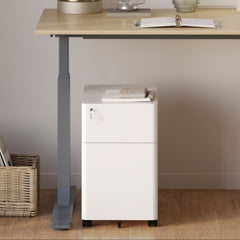




Filing Cabinet Choices for Cleaner Workstation Planning
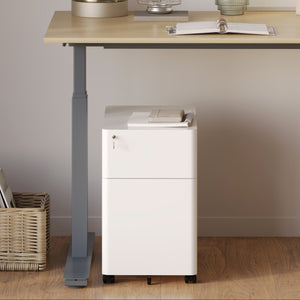
Cleaner workstation planning starts with filing storage that matches the desk, document volume, security needs, and daily workflow. Explore how cab...
Learn more
Visit quiz page to see how we makes it easy to create an inspiring workplace


Many people only think about comfort when they feel pain. By the time discomfort appears, your body has already been under stress for weeks or even months. The workspace you use every day quietly shapes your posture, movement, and overall health.
Small upgrades can make a big difference over time. Even incorporating a flexible solution like a Mini Standing Desk California setup can help reduce prolonged sitting and support better habits. The goal is not just to feel better today, but to protect your health for years to come.
Most workplace discomfort does not happen overnight. It builds gradually through repetitive movements, poor posture, and long hours of sitting. Many people ignore early signs such as stiffness or minor aches, but these can develop into chronic issues if left unaddressed.
Common long-term effects include:
Persistent back and neck pain
Reduced mobility
Increased fatigue
Lower productivity
An ergonomic workspace helps prevent these issues by supporting your body in a natural position. Instead of forcing your body to adapt, your environment works with you.
Extended sitting places pressure on your spine and reduces circulation. Over time, this can lead to serious health concerns, including poor posture and muscle imbalances.
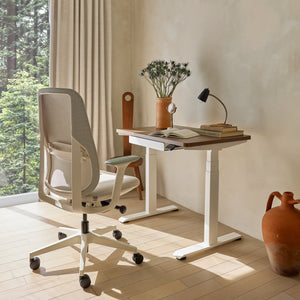
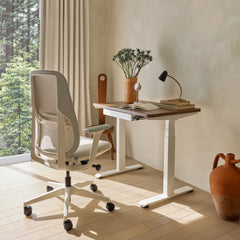
A flexible standing desk allows you to alternate between sitting and standing, reducing the negative effects of prolonged sitting.
Incorporating movement into your workday helps:
Improve blood circulation
Reduce muscle stiffness
Increase energy levels
Support better posture
Simple habits can make a difference:
Change positions every 30 to 60 minutes
Take short movement breaks
Adjust your desk height regularly
These small actions support long-term health and prevent strain from building up.
Ergonomics focuses on aligning your workspace with your body’s natural posture. This reduces stress on your muscles and joints.
According to this ergonomic study, proper workstation setup can significantly reduce discomfort and prevent long-term injuries.
To create a healthier workspace:
Keep your monitor at eye level
Maintain proper chair height
Position your keyboard comfortably
When your workspace is properly aligned, your body remains in a neutral position. This minimizes strain and helps prevent chronic issues.
Your desk is the foundation of your workspace. It determines how you position your equipment and how comfortably you can work throughout the day.
A well-designed office desk provides enough space to organize your tools without creating clutter. It also supports proper alignment, reducing strain on your arms and shoulders.
When your desk fits your workflow, you avoid unnecessary adjustments and maintain better posture.
Accessories may seem minor, but they play a major role in maintaining comfort. An ergonomic arm helps position your monitor correctly, reducing strain on your neck and eyes.
Incorrect screen placement forces your body into unnatural positions. Over time, this leads to discomfort and fatigue.
With proper positioning, you can:
Maintain a neutral posture
Reduce eye strain
Stay focused longer
Consider adding:
Monitor arms for flexibility
Cable management solutions
Desk organizers for efficiency
These additions create a smoother and more comfortable work environment.
Your chair has a direct impact on your posture and comfort. Sitting for long periods in a poorly designed chair can lead to serious health issues.
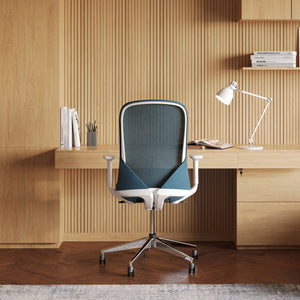
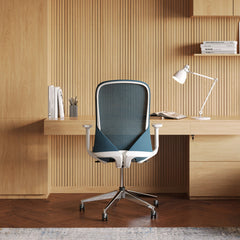
A supportive ergonomic office chair helps maintain proper spine alignment and reduces pressure on your lower back. This allows you to stay comfortable and focused throughout the day.
Over time, proper seating supports better posture and reduces the risk of chronic pain.
|
Workspace Element |
Health Benefit |
Problem Prevented |
Ideal Use Case |
|
Standing Desk |
Encourages movement |
Prolonged sitting |
Long work sessions |
|
Office Desk |
Organized setup |
Poor posture alignment |
Daily tasks |
|
Ergonomic Chair |
Supports spine |
Back and neck pain |
Extended sitting periods |
|
Monitor Arm |
Adjustable screen height |
Eye and neck strain |
Screen-heavy work |
|
Clean Workspace |
Reduces distractions |
Mental fatigue |
Focused environments |
An ergonomic workspace is only effective if used consistently. Daily habits play a major role in maintaining long-term health.
Adjust your chair and desk regularly
Take short breaks to move
Maintain proper posture throughout the day
Keep your workspace organized
Building these habits into your daily routine ensures that your workspace continues to support your health over time.
An ergonomic workspace does more than reduce discomfort. It improves your overall quality of life.
Long-term benefits include:
Better posture and mobility
Increased productivity
Reduced risk of chronic conditions
Improved focus and mental clarity
These improvements extend beyond the workplace, supporting your overall well-being.
Creating a healthier workspace does not require major changes. It starts with small, intentional decisions that support your body and your work.
Use a desk that allows flexibility
Choose a chair that supports proper posture
Keep your monitor at eye level
Add ergonomic accessories where needed
Maintain a clean and organized workspace
Take regular breaks to move
Build consistent healthy work habits
When your workspace is designed for long-term health, you not only work better but also feel better every day. Ergonomic furniture is an investment in your future, helping you stay productive, comfortable, and healthy for years to come.


You have unlocked free shipping!
You're saving $29 and unlocked free shipping!
Leave a comment