



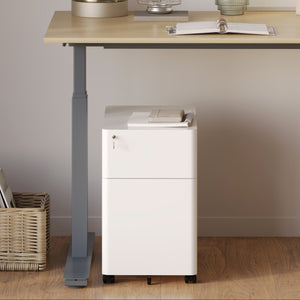






















Filing Cabinet Choices for Cleaner Workstation Planning
Cleaner workstation planning starts with filing storage that matches the desk, document volume, security needs, and daily workflow. Explore how cab...
Learn more
Visit quiz page to see how we makes it easy to create an inspiring workplace


Open interiors reward pieces that do more with less. A single surface that supports focused tasks, group collaboration, quick meals, and casual socializing reduces furniture clutter and improves daily flow. We design work-dining tables so they feel intentional for both work and life. The right surface becomes a hub that supports concentration, connection, and comfort without crowding shared rooms or forcing activity-specific furniture into every corner.
A hybrid table must be stable, resilient, and generous in clearance. Stability prevents wobble when typing or leaning. Resilient surfaces resist staining, heat, and abrasion from daily meals and devices. Generous clearances for knees and chair backs keep the surface comfortable for long sessions. We look for proportions that support both solo laptop work and multi-user collaboration so the piece feels deliberate for either role.
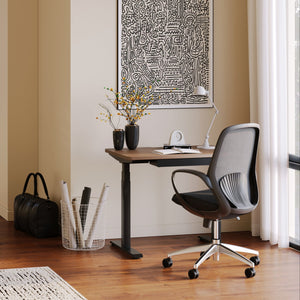
Ergonomics are fundamental to longevity of use. Dining height can be acceptable for short focused sessions but may create strain over hours. We recommend pairing dining-height tables with varied seating options and dedicated adjustable surfaces nearby so users can rotate posture. For baseline guidance on posture and set up, consult authoritative ergonomic resources such as ergonomic posture recommendations to anchor safe practices in shared environments.
Surface choice drives usability. Engineered wood tops offer warmth and a forgiving feel under plates and laptops. High pressure laminate finishes provide durable, low maintenance protection when spills and frequent wiping are expected. Composite surfaces with tight grain patterns hide hairline scratches and help the table appear cared for through heavy daily use.
Matte or low sheen finishes reduce screen glare and allow comfortable writing without paper sliding. A slightly textured top enhances tactility for pens and protects devices from slipping, while still remaining easy to clean after a meal.
Leg placement and cross-bracing determine how the table performs when occupied by people, laptops, books, or serveware. We favor frames that position legs to maximize knee clearance while maintaining torsional rigidity. Reinforced joints and metal-to-wood connections extend the table lifespan when used as both a dining surface and an active workspace.
Power needs are real but they should not overwhelm the look of a shared table. Concealed grommets, adjacent power towers, or nearby console surfaces keep cords out of sight while preserving access. Where built-in electrification is required, we recommend modular inserts that can be serviced or removed to maintain the table’s dining-friendly aesthetic.
Charging trays, cable channels on an under-surface tray, and removable privacy screens give function without permanence. For households seeking straightforward device-friendly options that retain a residential feel, our versatile home office desks collection provides design approaches that pair clean aesthetics with integrated work-ready features.
Rectangular tables align well with linear rooms. They guide traffic and allow multiple work zones along one plane. Oval or rounded tables soften circulation routes and reduce sharp corners where people pass frequently. Modular shapes let you reconfigure the surface for different tasks.
Long rectangular tops work for individual project layouts and distributed laptop setups. They help delineate an activity corridor in an open plan while still allowing informal dining.
Soft-edge tables make sense in family-friendly open rooms. They reduce collision risks and read as more approachable when the table is used for mixed activities.
Allow clearances of at least 36 inches behind chair backs where possible to maintain comfortable movement. Position the table to anchor a zone rather than block a circulation path. Consider sightlines to natural light and proximity to storage or surfaces used for meal staging.
A mix of seating types makes it easier to transition between work and dining. Comfortable, ergonomically shaped chairs provide support for concentrated periods. Benches tuck away to expand seating capacity for meals. High stools near a standing edge encourage brief upright work sessions or conversations.
Add cushions, lumbar-support chairs, or a nearby adjustable surface for users who need to work longer than a meal-length interval. For households with varied needs, pairing a hybrid table with a small dedicated station produces a versatile, health-forward setup.
Some work requires isolation, advanced cable routing, or large storage capacity. For sustained professional activity, a dedicated desk with drawers, monitors, and a controlled layout reduces friction and helps set boundaries between home and work life.
Hybrid tables complement focused desks by serving as meeting spaces, family zones, or secondary work surfaces. For efficient single-user desks that occupy a compact footprint in smaller rooms, consider our compact single-user office desk as a purpose built alternative that preserves privacy when needed.
Large format tables enable multi-user projects without disrupting meal routines. A planned surface with access to power and thoughtful leg placement lets a family or team settle in for planning sessions, homework, or shared meals. For arrangements that emphasize collaborative work, our four-person collaborative workstation layout demonstrates how spacing and cable strategies support simultaneous use.
When households function as hubs for both living and group activity, sizable tables provide the versatility to host meetings, dinners, and workshops. The six-person shared workstation table models how scale and surface treatment come together for heavy use environments.
Dual standing configurations promote dynamic collaboration and quick check-ins. These setups are well suited to short bursts of focused work while maintaining an open, social posture. Our dual-user standing office desk offers a practical reference for two-person standing interaction in shared rooms.
Standing tables invite brief active sessions that refresh posture and reduce seated fatigue. For brainstorming and informal meetings, standing encourages movement and faster idea exchange. Integrating at least one standing surface in an open plan invites variety into daily routines.
Where a full standing table is impractical, compact standing options give users the benefits of upright work without taking much floor space. A compact standing element can be used as an adjunct to a dining table or as a quick staging area. See the compact mini standing desk for an example of small footprint standing support.
A hybrid space needs lighting that adapts. General ambient light keeps the room inviting. Focused task lighting over the table supports reading and screen work. Dimmable fixtures and adjustable pendants let the same surface read as work oriented or dining oriented based on activity.
Open plans are lively. Soft textiles, rugs, and tabletop mats absorb sound. Strategic acoustic panels or shelving units can reduce reverberation without blocking sightlines. These measures help maintain clarity when the table is used for conferencing or family conversation.
Regular care routines preserve finish and function. Use gentle cleaning agents appropriate for the table material, protect hot serveware with trivets, and address spills promptly. Preventive measures such as placemats or coasters protect high use surfaces without sacrificing visual appeal.
Pale woods, tapered legs, and uncluttered profiles create a calm presence that translates from work to meal. Minimalist lines let accessories define mood without forcing the table into a single role.
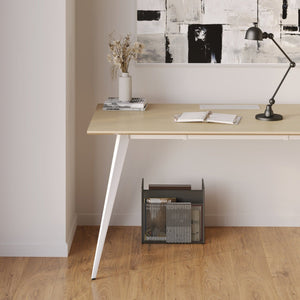
Metal bases paired with engineered tops create a resilient look that reads as intentional rather than utilitarian. These pairings work well in creative studios and high activity households where durability must be obvious.
Neutral palettes support focused work. Richer wood tones introduce visual warmth for dining. Selecting finishes that read well in both contexts ensures the table is always appropriate for the activity at hand.
Map daily routines and the number of users who will share the surface at peak times. Prioritize clearance, surface durability, seating flexibility, and access to power. A table chosen with clear use cases in mind will perform reliably for both work and life.
If meals are frequent and messy, favor laminate or treated hardwood that stands up to spills. If the table will host long work sessions, invest in complementary seating and an adjacent adjustable height surface to rotate posture. For heavy multi-user workflows, emphasize leg placement and cable access.
Arrange temporary layouts to test circulation and sightlines. Move chairs and mock devices to simulate real use. This simple experiment often reveals needed tweaks to scale or seating before finalizing the purchase.
A well executed work-dining table is more than a product. It is an investment in how people live, work, and gather. We design these pieces to be resilient, honest, and adaptable so that open interiors can remain fluid and welcoming. Durable flexibility ensures the furniture grows with household needs while maintaining integrity and practical function. Choosing thoughtfully helps rooms remain useful, beautiful, and balanced as daily life evolves.


You have unlocked free shipping!
You're saving $29 and unlocked free shipping!
Leave a comment