



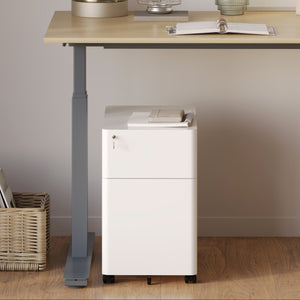






















Filing Cabinet Choices for Cleaner Workstation Planning
Cleaner workstation planning starts with filing storage that matches the desk, document volume, security needs, and daily workflow. Explore how cab...
Learn more
Visit quiz page to see how we makes it easy to create an inspiring workplace


Home environments now accommodate work, learning, creativity, and daily living within the same shared spaces. A single room may host virtual meetings, homework, hands on projects, and quiet reading without any structural separation. When a room carries this much responsibility, a fixed or single purpose desk becomes restrictive. An adaptable work table creates flexibility, allowing a home to shift roles smoothly throughout the day.
From our brand’s perspective, adaptability is not a luxury but a necessity for making modern living more comfortable. A well designed table supports natural transitions, preserves usable space, and helps a household maintain balance without compromising style.
Adaptability begins with thoughtful engineering, durable materials, and the ability to serve more than one task without becoming visually overwhelming or physically cumbersome.
A dependable adaptable table remains stable when used for writing, typing, assembling small projects, or reading. Its frame should feel solid under varied loads, and its surface should provide both comfort and durability. Adjustment mechanisms must work smoothly, enabling users to shift posture or reposition items without disrupting concentration.
Homes with limited square footage need furniture that works harder, not larger. Compact designs that still support productivity help households transform corners, nooks, and shared spaces into functional zones. Our modern desk collection provides a range of configurations that prioritize efficient use of space while maintaining strong everyday performance.
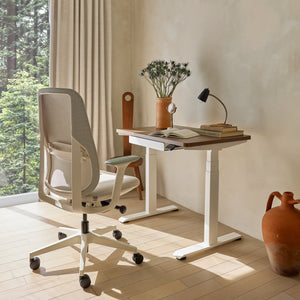
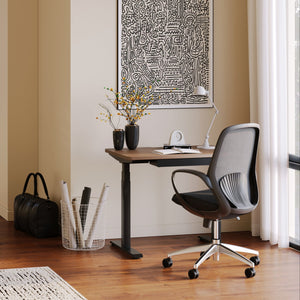
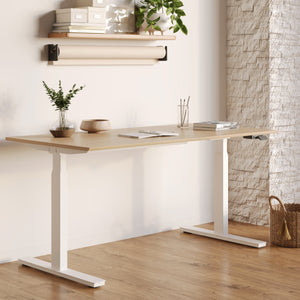
Ergonomic adaptability helps reduce strain and improve posture over time. Being able to move between sitting and standing positions keeps the body more active throughout the day. When height changes are needed, the height-adjustable desk option offers smooth transitions and stable support for users who depend on posture variety
Adaptable work tables are valuable because they help households manage daily complexity with less friction. They serve more than one purpose without feeling cluttered or overwhelming.
Frequent micro movements support comfort and reduce fatigue. A table that raises and lowers easily encourages users to shift naturally throughout the day. This is especially important for households with multiple users who benefit from individualized height settings.
Different tasks require surfaces that can tolerate diverse types of use. Low glare finishes help with screen time while durable coatings handle writing, drawing, and occasional hands on activities. A resilient surface keeps the table looking intentional and well maintained across years of use.
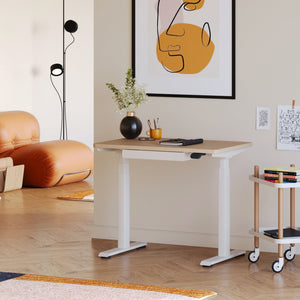
In small homes flexibility is everything. A compact adaptable table ensures that productivity does not come at the cost of crowded pathways or cluttered rooms. Our space-saving mini standing desk is designed specifically for tight environments that still need a capable workspace.
Simple cable routes, accessory-friendly edges, and surface layouts that encourage tidiness help a table remain visually calm. When everything has a place, the table transitions quickly between work, hobbies, and shared family activities.
Adaptable work tables shine in diverse home situations, from dedicated workspaces to shared communal rooms.
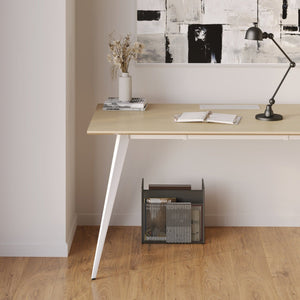
Individuals working full time from home need a strong, reliable surface. Depth, stability, and comfort help create a sense of calm and focus. For users who prefer a familiar form factor with dependable function, our traditional office desk for everyday tasks supports consistent day to day work.
When two people need the same room for work, ergonomic independence becomes essential. A shared standing setup allows each user to adjust height based on personal comfort. The two person standing desk setup helps maintain individual posture preferences while keeping the workspace visually unified
Larger families often need multi zone surfaces that support homework, crafts, and shared digital activities. The quad workstation configuration allows several users to work or study in harmony while maintaining distinct personal areas.
Some homes need an even broader layout for homeschooling, tutoring, or collaborative projects. The six person workstation layout provides clear space division and generous surface coverage for group activities:
Choosing wisely involves understanding who uses the table, how often it needs to change roles, and what the room can comfortably support.
Start by listing the main activities the table will support throughout the week. Does the household rely more on digital work, hands on projects, or collaborative tasks? The answer shapes the ideal surface size, height range, and additional features.
Measure available space and consider walking routes, seating movement, and lighting access. A good adaptable table should fit naturally into the room without interrupting movement or workflow. Placement near windows or quiet corners often enhances usability.
Surfaces should tolerate everyday wear without looking fatigued. Materials chosen for stability, comfort, and easy maintenance will create long lasting value. The right finish contributes to the table’s ability to blend into home décor while remaining highly functional.
Table height, monitor positioning, and seating posture all influence comfort. For households wanting to refine their setups with credible guidance, OSHA provides detailed insights into workstation ergonomics. Users can refer to this through OSHA ergonomic guidance.
A well integrated work table feels like a natural part of the room rather than an intrusion.
Strategic placement creates a healthy environment for work and concentration. Positioning near natural light, away from distractions, and with an organized backdrop can improve overall comfort and reduce strain.
Minimizing visible cables and accessories helps maintain a clean, purposeful atmosphere. Subtle trays, clips, and routes keep wires out of sight, allowing the table to remain a harmonious part of the home.
Finishes, color palettes, and decorative touches should align with existing décor. A cohesive work area feels more intentional and encourages consistent use. Soft lighting, minimal clutter, and functional accessories help the table blend gracefully into the home environment.
Adaptable tables serve best when they remain easy to maintain and capable of withstanding years of shifting routines.
A stable frame and resilient top protect against daily wear. Quality craftsmanship ensures that height adjustments and surface performance remain dependable.
Regular care preserves the look and functionality of the table. Wiping surfaces with appropriate cleaners and tightening hardware periodically helps maintain smooth operation.
Choosing materials and construction methods that reduce waste contributes to a more sustainable home. Adaptable tables with modular or replaceable parts offer longer usability without full replacement.
Adaptable tables are designed not just to manage space but to elevate the daily experience within a home.
Alternating between sitting and standing positions supports comfort and reduces physical strain from long static periods. Height flexibility makes these adjustments simple and natural.
When surfaces are organized and easy to use, shifting from work to school activities to personal hobbies becomes more seamless. These frictionless transitions help maintain productivity and reduce mental load.
A thoughtfully positioned adaptable table creates a dependable anchor within the home. By offering structure and flexibility, it supports meaningful engagement without dominating the room.
The needs of modern homes inform the next generation of adaptable tables.
Design directions favor simplicity, stability, and user friendliness. Compact footprints, smooth adjustment mechanisms, and durable finishes remain central to future development.
Innovations that succeed will continue to prioritize everyday practicality. The ideal adaptable table simplifies life instead of complicating it, providing long term value through reliable, intuitive design.
We design adaptable work tables to support real homes and real routines. A single well crafted table can bring clarity and balance to a busy living space, helping every room perform at its best.


You have unlocked free shipping!
You're saving $29 and unlocked free shipping!
Leave a comment