



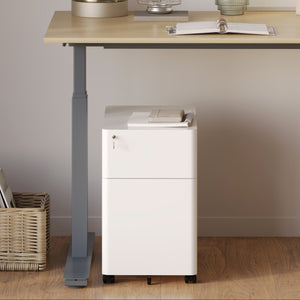






















Filing Cabinet Choices for Cleaner Workstation Planning
Cleaner workstation planning starts with filing storage that matches the desk, document volume, security needs, and daily workflow. Explore how cab...
Learn more
Visit quiz page to see how we makes it easy to create an inspiring workplace


Hybrid work has transformed the way people move through their day. Instead of a single, predictable workspace, professionals now transition between office desks, dining tables, shared work environments, and improvised home setups. These shifts create irregular patterns of sitting that place physical pressure on the spine, neck, and shoulders. The human body responds to consistency, and without it, subtle posture stress accumulates.
Many employees experience a noticeable difference in posture quality depending on where they work. Office environments often provide furniture designed with long-term comfort in mind. Home environments, however, frequently rely on seating made for meals or leisure. This gap influences daily alignment and muscle engagement. A chair without supportive contours can tilt the pelvis, pull the shoulders forward, and place uneven weight on the lower back. Over time, these small deviations become habitual patterns that can disrupt concentration and reduce comfort.
The shift toward hybrid models placed a spotlight on the limitations of everyday home furniture. Dining chairs, kitchen stools, and soft couches simply are not built for sustained work sessions. They lack the structured support needed to uphold natural spinal alignment. When individuals rely on these pieces for work, they often find themselves shifting frequently, elevating shoulders to reach a surface, or leaning forward to view a screen. These behaviors can strain the neck, hips, and lower back.
A cohesive alternative exists in the brand’s range of modern seating options, available through the range of modern seating options. These selections are designed to encourage upright posture and dependable comfort, presenting a more supportive foundation compared to typical home seating.
Hybrid schedules introduce variables that the body constantly responds to. Differences in desk heights, seat cushions, and working angles create posture inconsistencies from one environment to another. Even small changes, such as shifting chair firmness or altering where feet rest, can influence spinal pressure. Over weeks and months, these micro-stresses accumulate. Workers often describe noticing tension in the shoulders, stiffness in the lower back, or reduced focus during longer work periods. A supportive seating approach is essential to counter these effects and promote comfort that travels with the worker across multiple environments.
Ergonomic chairs provide a structured and intentional response to the challenges of hybrid work. They focus on alignment, adaptability, and support that holds up well across varying tasks and work durations. Understanding the design principles that define these chairs helps explain why they have become a preferred solution among professionals seeking long-term comfort and health-conscious work habits.
Hybrid workers benefit most from ergonomic features that stabilize their posture while supporting the spine’s natural curves. Lumbar support remains central and helps prevent the lower back from rounding. Adjustable armrests allow the shoulders to remain relaxed during typing or reading. Balanced seat depth helps distribute weight evenly across the thighs and reduces pressure on the hips. The backrest ensures the user maintains an upright, centered position without feeling constrained.
As hybrid workers alternate between tasks that demand different body positions, ergonomic features step in to create stability. For example, typing requires close positioning to the desk while meeting participation or reading allows a more relaxed stance. Ergonomic chairs enable these transitions without forcing the body to compensate for poor seating angles. Proper support helps maintain clarity and attention because the user spends less time adjusting their position and more time engaging with the work.
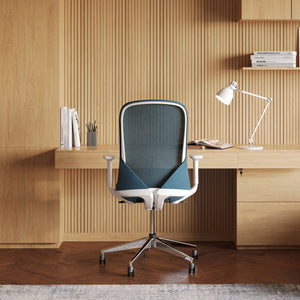
Different chairs approach ergonomics through varying contours, adjustment ranges, and support structures. The Novo ergonomic seating design is one of the brand’s examples of thoughtful engineering, which you can view through the Novo ergonomic seating design. While features vary by model, the intention remains consistent across all ergonomic pieces: provide reliable support that adapts to real work patterns.
The term ergonomic refers to a chair’s ability to support the body comfortably in a way that aligns with natural posture. It also involves how well the chair adjusts to the user’s needs. A practical ergonomic chair offers intuitive controls, maintains balanced weight distribution, and provides structural reinforcement where it matters most. Materials and build quality play an important role, contributing to overall stability and long-term usability.
Hybrid work requires seating that responds quickly to changes in work style. Adjustable chairs empower workers to maintain control over their posture in environments that may not have consistent furniture dimensions or layouts.
Workers often shift between activities that demand distinct postures. These include writing, screen-based tasks, virtual meetings, and creative planning. Chairs like the Muse model simplify these transitions by offering an adaptable structure that responds to subtle changes in sitting style. You can explore this through the Muse chair’s streamlined adjustability. Such flexibility supports workers who frequently switch between tasks and work areas.
Proper seat height ensures that elbows rest comfortably at desk level, preventing shoulder tension. Tilt and backrest controls enable workers to lean back when appropriate or sit upright when focusing intently. These adjustable elements prevent the user from compensating for furniture mismatches that occur when alternating between home and office setups.
| Ergonomic Feature | Purpose | Benefit to Hybrid Workers |
|---|---|---|
| Seat Height Adjustment | Aligns body with desk height | Reduces shoulder and wrist strain |
| Tilt Control | Supports movement and relaxation | Helps maintain circulation |
| Lumbar Support | Upholds natural spinal curves | Reduces lower-back fatigue |
| Adjustable Armrests | Supports arms and shoulders | Enhances typing comfort |
Movement plays an important role in preserving joint health. Adjustable chairs encourage micro-adjustments that keep muscles active without overwhelming the body. Over time, these small changes reduce the buildup of tension and support long-term comfort.
Different work styles benefit from different seating characteristics. Understanding these variations helps ensure that each worker finds a chair that supports their daily habits and responsibilities.
Creative tasks often involve reaching for materials, viewing sketches, or switching between digital and physical tools. The Onyx model offers supportive ergonomic contours suited for these dynamic workflows. For a closer look, see the Onyx chair’s supportive ergonomic profile. Stability and comfort support movement without encouraging strain.
Workers who spend extended time in virtual meetings or documentation tasks need consistent support that helps sustain focus. The Seashell model provides a structured seating experience that supports natural alignment through its contoured shape. You can view the model through the Seashell chair’s contoured comfort.
Individuals who balance laptops, tablets, and phone calls throughout the day require adaptable seating that supports shifting attention. Chairs offering stable back support and adjustable arms ensure smooth transitions between activities.
Sitting with intention encourages healthier posture. Ergonomic seating reinforces this by providing a foundation that guides the body into supportive positions. This reduces reactive movements that stem from discomfort and helps workers remain grounded and productive.
A hybrid-friendly workspace is not complete without pairing the right chair with the right desk. When these two elements align, workers gain a consistent experience across environments.
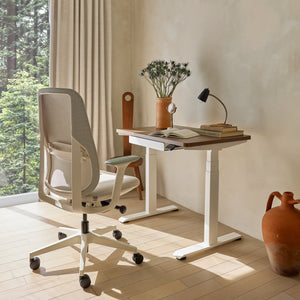
Desk height determines shoulder position, arm angle, and screen visibility. With the right chair adjustments, workers can maintain neutral wrist placement and avoid reaching upward or downward. The brand’s choice of complementary desk styles can be explored through the choice of complementary desk styles, offering a range of options that align well with ergonomic seating.
A coordinated workstation forms a stable foundation that encourages natural posture. When a chair and desk function as a system, the user no longer needs to adapt their body to poorly matched furniture. This leads to more balanced sitting and reduces strain across long work periods. A practical office desk solution that pairs well with ergonomic chairs can be viewed through the practical office desk solution.
As tasks vary, posture should shift slightly to maintain comfort. Adjustable furniture supports these natural movements, helping hybrid workers avoid stiffness. This adaptability also enhances focus and overall workflow quality.
Posture awareness plays a vital role in hybrid work success. Safety recommendations and structured habits help workers maintain comfort through long days.
Proper ergonomic configuration starts with seat height. Feet should remain flat on the floor to support leg circulation. Backrest positioning should meet the lower back’s natural curve without pushing the user forward. Armrests should support relaxed shoulders, reducing tension in the neck and upper spine. Simple micro-breaks, such as standing briefly or stretching lightly, keep blood flow steady and reduce the buildup of fatigue.
Trusted resources offer guidance for building safe and supportive work environments. OSHA guidance on ergonomic practices is a valuable reference for aligning workspace arrangements with health-centered standards. You can review this information through the OSHA guidance on ergonomic practices.
When workers take the time to adjust their seating and workstation height, they enhance their immediate comfort and long-term well-being. These guidelines support sustainable work habits that keep hybrid schedules both productive and physically manageable.
Organizations and individuals increasingly recognize comfort as part of professional performance. As hybrid work becomes firmly established, ergonomic seating continues to influence how workers approach their environments and expectations.
Workers now prioritize environments that reflect care for their physical well-being. Ergonomic chairs help meet this expectation by offering comfort that adapts to diverse work settings.
Comfortable work environments promote stability and engagement. When employees feel physically supported, their work experience becomes more positive and sustainable.
Advancements in ergonomic engineering continue to refine comfort, structure, and adaptability. Thoughtful contouring, intuitive adjustment mechanisms, and durable construction remain central to these developments.
Hybrid work emphasizes autonomy, flexibility, and well-being. Ergonomic chairs support these values by offering consistent comfort across varied locations. They reinforce healthier posture habits and contribute to work environments that feel more supportive, balanced, and personalized.


You have unlocked free shipping!
You're saving $29 and unlocked free shipping!
Leave a comment