



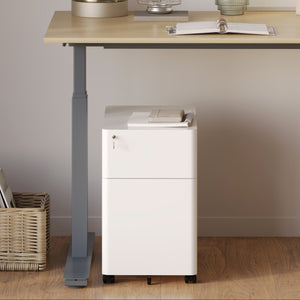






















Filing Cabinet Choices for Cleaner Workstation Planning
Cleaner workstation planning starts with filing storage that matches the desk, document volume, security needs, and daily workflow. Explore how cab...
Learn more
Visit quiz page to see how we makes it easy to create an inspiring workplace


Interior design in 2026 is shifting toward spaces that feel warm, grounded, and sensory-driven. Textural furniture is now at the center of this movement. Homeowners and designers want pieces that do more than look good. They want furniture that feels comforting, adds depth, and creates a sense of presence in the room. Texture can change the mood of a space, guide the eye, and add quiet sophistication without overwhelming the overall design. This guide explores why textural furniture is becoming the defining trend of 2026 and how to bring those elements into your space naturally.
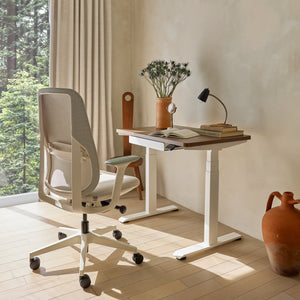
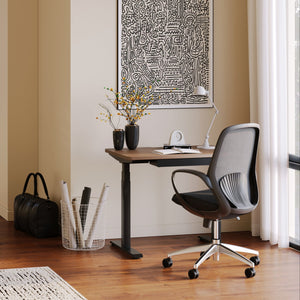
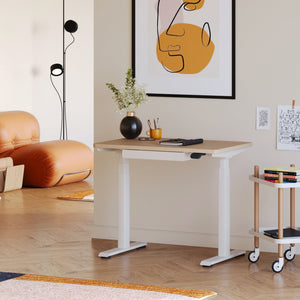
Textural furniture instantly sets a mood. The right piece acts like a visual anchor, giving the room character and warmth. A functional Mini Standing Desk Los Angeles option introduces subtle material depth while remaining practical for work. Compact pieces with intentional texture add interest without dominating the space.
It influences emotional comfort.
It gives the eye a soft place to land.
It creates dimension without visual noise.
Texture adds presence and personality.
Standing and sitting throughout the day helps you appreciate different angles of your space. A flexible standing desk allows you to interact with textural furniture from multiple viewpoints. Changes in height reveal how light hits textured surfaces differently.
Texture behaves differently when viewed from above or below.
Light variation improves the richness of materials.
It helps maintain visual interest in simple layouts.
A textured room feels grounded but not static.
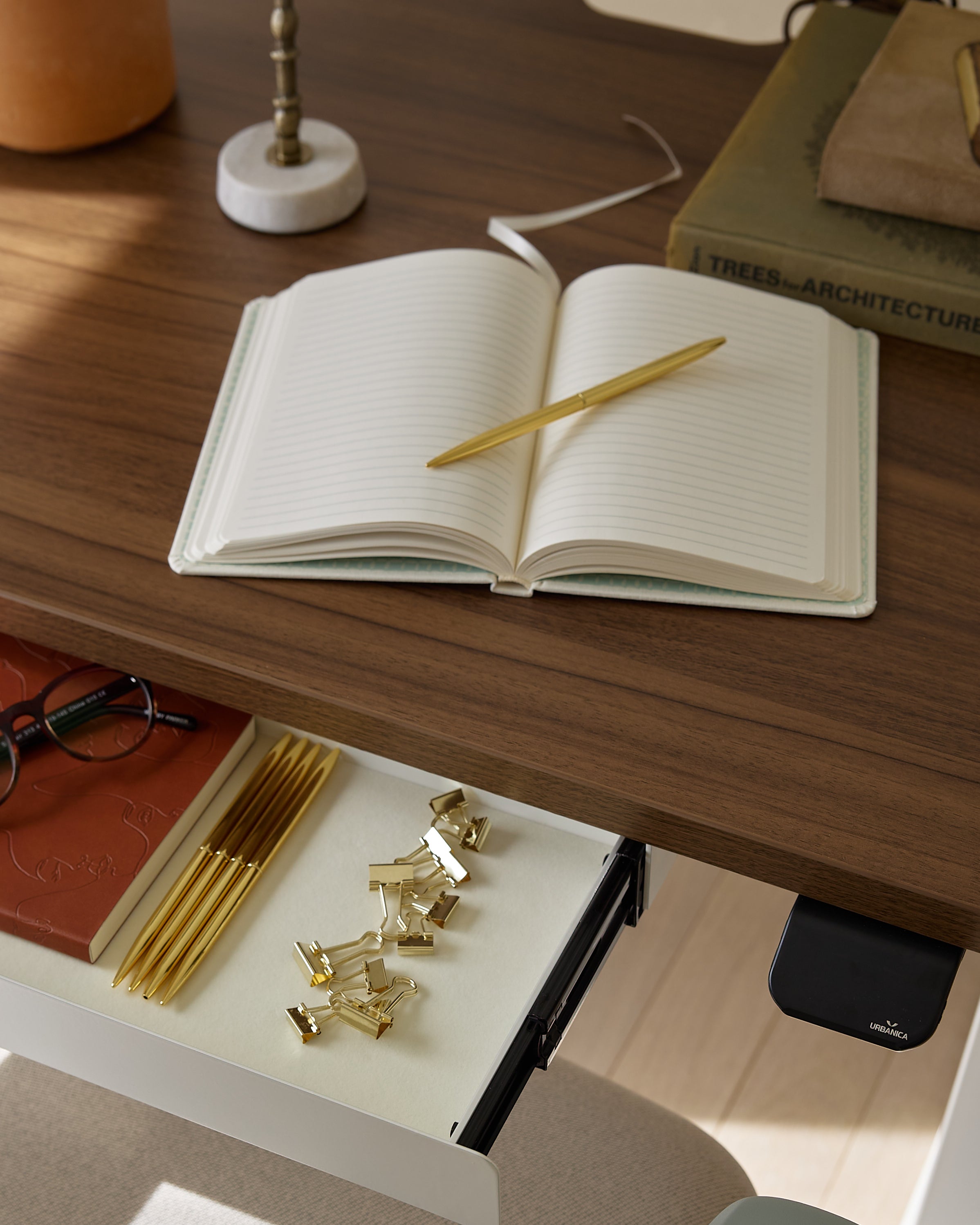
A well organized surface layout helps textural pieces stand out naturally. A functional office desk works as a clean backdrop that allows textured items such as lamps, trays, and fabric accents to shine.
Keep surfaces minimal.
Use contrasting finishes—for example, matte next to polished.
Limit competing patterns so texture stays the focus.
Texture needs space to breathe.
Texture plays a psychological role in comfort. A simple ergonomic study highlights how tactile elements influence mood, cognitive clarity, and stress levels. Soft surfaces encourage relaxation, while structured textures stimulate focus and alertness.
Texture supports emotional balance.
Matte textures feel calming.
Structured surfaces boost visual engagement.
Designing with texture improves the emotional quality of your space.

Arm support can contribute to textural harmony. Using an adjustable Ergonomic Arm helps stabilize your posture while adding a subtle functional detail. Textural design does not have to be limited to visual elements—comfort-focused accessories also contribute to the overall experience.
It encourages relaxed posture.
It prevents shoulder lift that disrupts comfort.
It integrates functional design with sensory appeal.
Ergonomics and texture work well together.
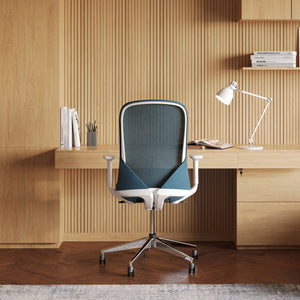
Your chair introduces a major tactile element into your room. A supportive ergonomic chair adds softness, movement, and depth. Chairs often serve as the “sensory heart” of the room, influencing both comfort and visual weight.
Soft curves that complement natural materials.
Supportive padding that balances aesthetics and comfort.
Surfaces that feel welcoming but structured.
Seating shapes the feel of the entire space.
|
Texture Type |
Visual Impact |
Emotional Effect |
Best Use |
|
Bouclé / Soft Weave |
Cozy, warm |
Relaxation |
Chairs, ottomans |
|
Matte Wood Grain |
Natural, grounded |
Calm |
Desks, tables |
|
Ribbed Surfaces |
Clean lines |
Focus |
Storage pieces |
|
Linen or Cotton Fabrics |
Light, breathable |
Comfort |
Seating, pillows |
|
Metal Brushed Finish |
Modern depth |
Alertness |
Desk legs, accents |
|
Natural Stone |
Organic pattern |
Stability |
Side tables |
Layering is essential to the 2026 textural trend. Combining soft fabrics, structured surfaces, and natural materials creates rooms that feel dynamic yet calming. Balance is key.
Start with one dominant texture.
Add complementary materials with different intensities.
Finish with soft accents for harmony.
Layering helps define the story of your space.
Texture looks best when it is not competing with clutter. Creating quiet surfaces helps the materials stand out more clearly. Simplicity gives the room a high-end, curated feel.
Choose décor with intention.
Avoid surfaces overloaded with accessories.
Let material quality be the primary visual element.
Create space for texture to be appreciated.
Light plays a major role in how people perceive texture. Natural sunlight creates shadows that enhance surface depth. A well-lit room allows materials to show their true character.
Position textured seating near windows.
Use warm lamps to enhance softness.
Avoid harsh overhead lights that flatten materials.
Light is the partner of texture.
Textural Design Checklist
One dominant textural material per room
Neutral palette to highlight surfaces
Soft seating for tactile comfort
Contrasting surfaces like matte and polished
Warm lighting for depth
Minimal surface clutter
Natural materials such as wood or stone
Supportive ergonomic features for comfort
Variation in height and scale
Accessories with intentional texture
Designers are moving away from overly sleek, sterile interiors and toward spaces that feel tactile, warm, and expressive. As people spend long hours working from home, they want environments that comfort the senses and break away from monotony.
A desire for emotional grounding
Increased time spent indoors
A shift toward slower, intentional living
The need for calming design elements
Texture satisfies emotional and functional needs.
Textural furniture adds variety and interest without overwhelming the room. It creates a sense of movement and depth even when everything else stays simple. This makes your environment feel natural, inviting, and visually stimulating.
Balanced visual rhythm
Depth that feels subtle
A sense of warmth in any style
A quietly luxurious effect
Texture transforms simplicity into sophistication.

Textural furniture is not a passing trend. It taps into something deeper—the need for comfort, warmth, and connection to materials that feel real. Whether through soft seating, grounded surfaces, or neutral palettes, texture helps create spaces that feel more human. In 2026, design is about more than aesthetics. It is about how a space makes you feel every day. Texture is the language that makes those feelings tangible.


You have unlocked free shipping!
You're saving $29 and unlocked free shipping!
Leave a comment