



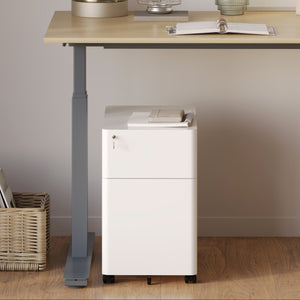






















Filing Cabinet Choices for Cleaner Workstation Planning
Cleaner workstation planning starts with filing storage that matches the desk, document volume, security needs, and daily workflow. Explore how cab...
Learn more
Visit quiz page to see how we makes it easy to create an inspiring workplace


Modern homes are no longer static spaces. Living rooms turn into offices. Guest rooms become creative studios. Dining areas double as meeting spaces. As lifestyles evolve, furniture must adapt alongside them. This shift has fueled the rise of modular furniture in contemporary interiors.
Modular design is not just about convenience. It reflects a deeper need for flexibility, efficiency, and long-term value. Instead of replacing furniture every time routines change, homeowners are choosing adaptable systems that grow with their needs. From adjustable desks to ergonomic seating, modular solutions define the next generation of modern living.
Today’s homeowners value versatility. Whether working remotely or managing hybrid schedules, spaces must serve multiple functions. That is why interest in adaptable setups such as Office Furniture California continues to grow.
Flexible living is shaped by:
Hybrid work environments
Smaller urban homes
Shared family spaces
Long-term investment thinking
Modular furniture supports these realities by offering reconfigurable layouts and adjustable components. Instead of committing to a single function, homeowners create spaces that shift effortlessly throughout the day.
One of the most prominent examples of modular design is the adjustable workstation.
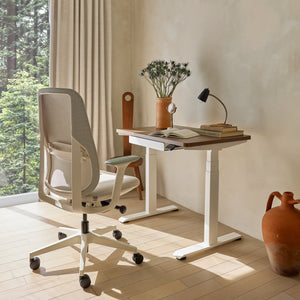
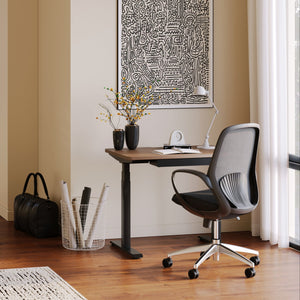
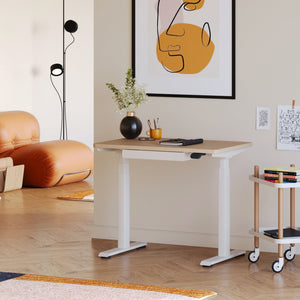
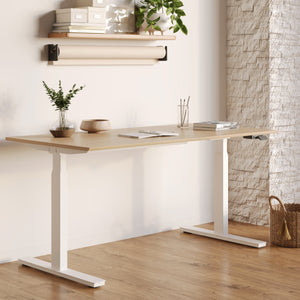
A well-built standing desk represents flexibility in action.
Support sitting and standing
Accommodate multiple users
Adapt to changing tasks
Encourage healthier posture
Easy height transitions
Stable frame construction
Compatible with monitor mounts
Long-term durability
Adjustable desks reflect the desire for furniture that adapts rather than limits.
Modern modular homes rely on clean, adaptable surfaces.
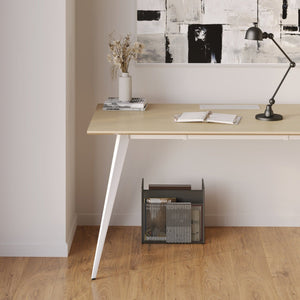
A thoughtfully designed office desk functions well in both professional and personal settings.
Blends into living spaces
Reduces visual clutter
Supports organization
Allows flexible arrangement
Timeless aesthetics
Durable materials
Scalable workspace solutions
Easy integration with accessories
A versatile desk forms the core of a modular home office setup.
Modular furniture is not just flexible. It is health-conscious. Resources like this ergonomic workstation guide emphasize the importance of proper alignment and posture.
When desks, chairs, and monitors adjust easily, users maintain better ergonomic positioning. Modular components work together to support physical comfort across changing routines.
Ergonomics strengthens the long-term appeal of modular furniture.
A modular workspace requires seating that responds to movement and posture changes.
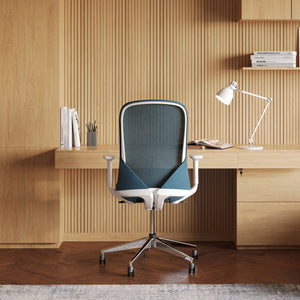
A supportive ergonomic chair enhances adaptability.
Adjustable lumbar support
Height flexibility
Breathable materials
Stable base design
Accommodates multiple users
Aligns with adjustable desks
Supports long hours of use
Encourages healthy posture
Seating must evolve alongside modular desk systems.
Screens and devices are essential parts of modern living. An adjustable ergonomic arm integrates seamlessly into modular workstations.
Monitor arms allow:
Flexible screen positioning
Dual-monitor setups
Reduced neck strain
Increased desk surface space
Modular systems prioritize compatibility with evolving technology.
|
Feature |
Traditional Furniture |
Modular Furniture |
|
Function |
Fixed purpose |
Multi-purpose |
|
Height |
Static |
Adjustable |
|
Layout |
Permanent |
Reconfigurable |
|
Technology Integration |
Limited |
Seamless |
|
Longevity |
Trend-based |
Adaptable |
Modular furniture responds to real-life changes rather than aesthetic cycles alone.
Urban living often demands compact solutions.
Maximizes square footage
Supports hybrid work
Reduces clutter
Encourages organization
Choose adjustable desks
Use monitor mounts
Maintain clean surfaces
Keep layouts flexible
Compact efficiency is a defining feature of modular furniture trends.
Modular furniture supports sustainability by reducing the need for frequent replacement. Instead of discarding entire setups, users adjust configurations as routines evolve.
Durable frames, adjustable components, and ergonomic compatibility extend the life cycle of furniture. Sustainability becomes a practical outcome of thoughtful design.
Modern homeowners value investments that grow with them rather than becoming obsolete.
Modern homes often serve multiple people with different routines. One person may start work early. Another may study in the evening. A modular setup allows the same space to adjust throughout the day without conflict.
Flexible furniture supports shared environments.
Different height preferences
Varied work schedules
Multiple device setups
Rotating daily tasks
Adjustable desk heights
Mobile monitor positioning
Easy-to-reset layouts
Ergonomic seating with simple controls
When furniture adapts quickly, shared spaces remain functional and harmonious.
Technology evolves constantly. Modular furniture keeps pace by allowing upgrades without requiring full replacements.
Expandable setups accommodate new screens, accessories, and devices.
Monitor mount compatibility
Reinforced desk frames
Spacious yet efficient surfaces
Adjustable components
Reduces long-term costs
Minimizes environmental waste
Maintains consistency in setup
Protects your initial investment
Modular systems anticipate change rather than react to it.
Flexibility should not sacrifice style. Modern modular furniture blends adaptability with clean, cohesive design.
Structured silhouettes and neutral finishes allow reconfiguration without visual disruption.
Clean lines remain timeless
Balanced proportions adapt to layouts
Neutral tones integrate easily
Compact footprints prevent overcrowding
Keep surfaces uncluttered
Align desk and seating finishes
Maintain consistent lighting
Preserve open pathways
Modular furniture supports both performance and appearance, ensuring your home feels cohesive even as it evolves.
Modular furniture reflects the reality that life changes. Work shifts. Families grow. Technology advances. The most valuable pieces are those that adapt.
Use this checklist when evaluating modular furniture:
Can the desk height adjust?
Is the seating ergonomically supportive?
Can monitor placement evolve?
Does the design fit compact spaces?
Is the construction durable?
Can the layout shift easily?
Does it support hybrid work?
Is it visually timeless?
Can it integrate future technology?
Does it encourage healthy movement?
Modular furniture is more than a design trend. It is a response to modern living. When your space adapts effortlessly to your routines, your home remains functional, comfortable, and future-ready.


You have unlocked free shipping!
You're saving $29 and unlocked free shipping!
Leave a comment