










Filing Cabinet Choices for Cleaner Workstation Planning
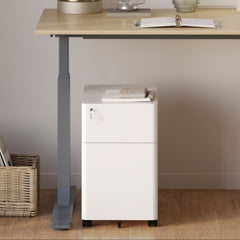
Cleaner workstation planning starts with filing storage that matches the desk, document volume, security needs, and daily workflow. Explore how cab...
Learn more
Visit quiz page to see how we makes it easy to create an inspiring workplace


Concentration is often treated as a personal skill. We blame distractions, notifications, or lack of motivation when we struggle to focus. But one of the most overlooked factors is furniture placement. The way your desk faces the room. The distance between your chair and the wall. The position of your monitor relative to natural light. These details quietly influence your mental clarity every day.
Furniture placement shapes visual stimulation, physical posture, and psychological comfort. A workspace that feels balanced supports sustained attention. A poorly arranged one creates subtle stress. Understanding this connection allows you to design for focus rather than fighting distractions constantly.
The brain constantly processes visual information. When your workspace feels cluttered or poorly positioned, your attention fragments. A desk facing heavy foot traffic increases distraction. A chair placed too close to a wall can feel cramped.
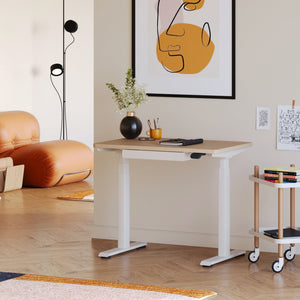
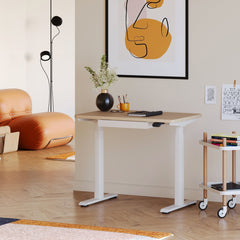
Choosing a compact yet structured solution like a Mini Standing Desk Los Angeles option allows you to define a dedicated work zone even in smaller rooms. Its footprint helps maintain open walkways while clearly separating work from leisure areas.
Furniture placement influences:
Peripheral visual distractions
Body alignment
Psychological comfort
Movement flow
A well-placed desk reduces mental strain before you even begin working.
Where your desk faces affects your awareness. Facing a wall limits visual distraction but may feel isolating. Facing the room offers awareness but can increase interruptions.
Consider:
Positioning your desk at a slight angle
Avoiding direct alignment with doorways
Keeping high-traffic areas behind you
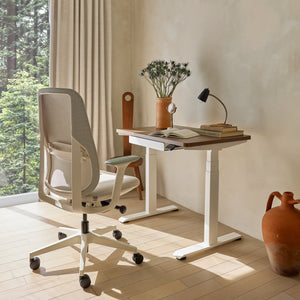
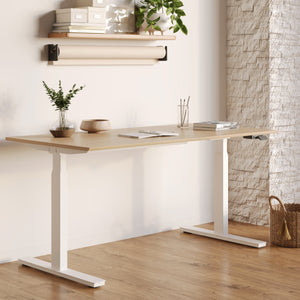
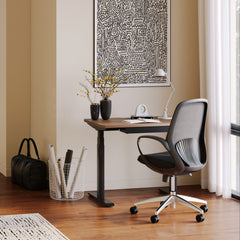
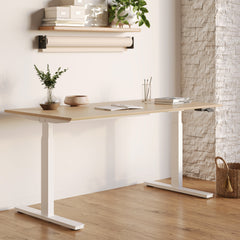
A height-adjustable standing desk supports both posture variation and layout flexibility. Switching between sitting and standing shifts perspective, refreshing concentration throughout the day.
Benefits include:
Reduced physical fatigue
Improved circulation
Renewed mental energy
Natural light is beneficial, but direct glare strains the eyes. Place desks perpendicular to windows when possible to balance brightness and clarity.
Thoughtful orientation reduces both eye strain and distraction.
Even when you think you are ignoring clutter, your brain registers it. Stacks of paper, tangled cables, and uneven spacing create subtle mental noise.
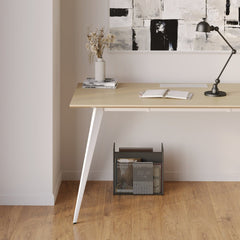
A clean-lined office desk with proper depth allows organized placement of tools without crowding. Adequate surface area reduces overlapping items.
To minimize clutter:
Keep only essentials visible
Store unused materials out of sight
Align accessories neatly
Empty space on a desk is not wasted space. It provides visual rest. The fewer unnecessary objects in your sightline, the easier it becomes to sustain attention.
Clear surfaces promote clear thinking.
Research on the psychology of space shows that structured environments reduce stress and enhance productivity. Humans respond positively to balanced layouts and predictable patterns.
When furniture feels randomly placed, the brain expends energy processing the imbalance. When placement feels intentional, attention shifts toward tasks instead of surroundings.
Spatial order supports mental order.
A poorly positioned screen forces the head forward or downward, increasing strain and reducing endurance.
An adjustable monitor arm helps position screens at eye level, minimizing neck tension and improving viewing angles.
Advantages:
Reduced forward head posture
Clearer visual alignment
Less physical distraction
The monitor should sit approximately an arm’s length away. Too close creates eye fatigue. Too far encourages leaning.
Align the primary screen directly in front of you. Side positioning requires constant rotation, disrupting focus and causing muscle imbalance.
Small positioning changes make significant cognitive differences.
Sustained focus requires physical comfort. If your chair forces constant micro-adjustments, your attention splits between work and discomfort.
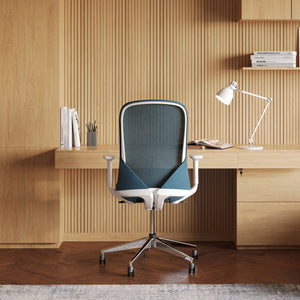
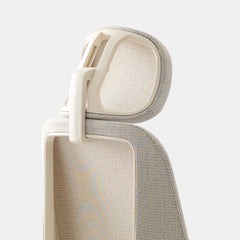
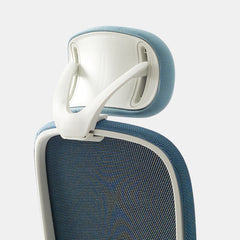
A supportive ergonomic office chair promotes neutral spine alignment and breathable support, allowing longer periods of comfortable concentration.
When seating stabilizes posture:
Mental stamina improves
Distraction decreases
Productivity increases
Comfort and focus are deeply connected.
|
Placement Issue |
Mental Effect |
Physical Effect |
|
Desk facing doorway |
Constant alertness |
Shoulder tension |
|
Monitor too low |
Reduced engagement |
Neck strain |
|
Cluttered surface |
Cognitive overload |
Slouched posture |
|
Chair too far from desk |
Decreased immersion |
Forward leaning |
|
Poor lighting alignment |
Eye fatigue |
Headaches |
Identifying these patterns helps refine your workspace intentionally.
When workspaces blend with relaxation areas, boundaries blur. Create a dedicated zone for productivity.
Use:
A defined desk area
Clear pathways
Consistent lighting
Remove unnecessary decor from your immediate view.
Bullet points:
Keep walls simple
Limit bright colors near your desk
Store unrelated items away
Cluttered pathways increase subconscious stress. Open space encourages mental clarity.
Zoning signals the brain that it is time to focus.
Lighting influences alertness. Dim spaces promote relaxation. Brighter, balanced lighting encourages engagement.
Position light sources to:
Avoid casting shadows on work surfaces
Reduce glare on screens
Maintain consistent brightness
A well-lit workspace supports sustained attention without strain.
Before starting your next work session, review this checklist to ensure your furniture placement supports concentration.
Position desk away from heavy traffic
Align monitor at eye level
Keep primary screen centered
Maintain clear desk surfaces
Use adjustable seating
Alternate between sitting and standing
Place lighting to avoid glare
Keep walkways unobstructed
Define a dedicated work zone
Reassess layout periodically
Concentration is not only a personal discipline. It is environmental design. When furniture placement supports posture, visual clarity, and psychological comfort, focus becomes easier.
A well-arranged workspace does not just look organized. It feels supportive. And that feeling translates into better work, day after day.


You have unlocked free shipping!
You're saving $29 and unlocked free shipping!
Leave a comment