



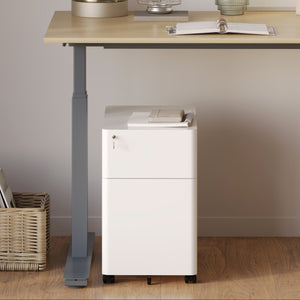






















Filing Cabinet Choices for Cleaner Workstation Planning
Cleaner workstation planning starts with filing storage that matches the desk, document volume, security needs, and daily workflow. Explore how cab...
Learn more
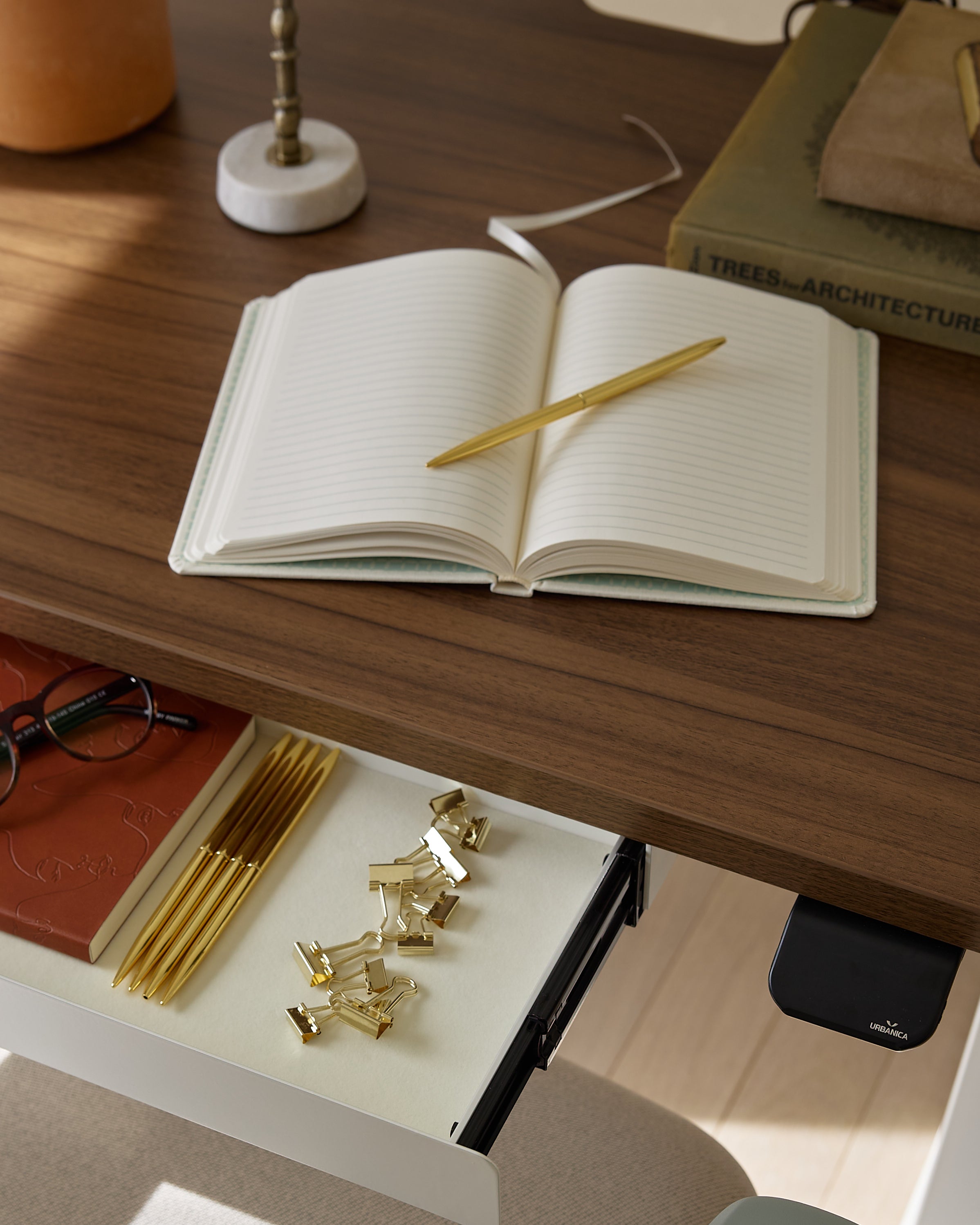
Visit quiz page to see how we makes it easy to create an inspiring workplace


In the professional world, we understand that investment in software, training, and talent directly correlates with success. Yet, many professionals neglect the most foundational investment of all: the physical environment that supports their bodies for eight or more hours a day. Choosing cheap, inadequate furniture is a classic false economy. The money saved upfront is quickly eclipsed by the hidden costs of discomfort, distraction, reduced efficiency, and eventual medical expenses related to chronic strain.
Investing in ergonomic furniture is a proactive choice—a commitment to your long-term health, sustained focus, and peak output. These pieces are not just comfortable; they are engineering tools designed to prevent injury, maintain energy, and free your mind from the physical friction of a demanding workday. They represent the single greatest return on investment you can make in your own professional capacity.
View your desk and chair not as overhead, but as essential equipment that protects your ability to earn and perform. A properly calibrated ergonomic setup ensures your body can keep pace with your ambitions, turning potential pain points into areas of sustained comfort.
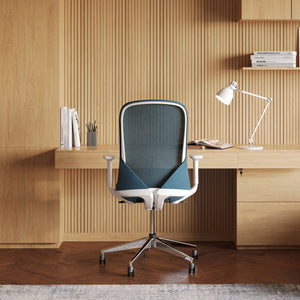
The core of this investment is the chair, the piece that ensures the spine is protected, the circulation is free, and the user can maintain productive focus. A premium adjustable office chair becomes a partner in your daily health strategy.
The most compelling argument for ergonomic furniture is its function as a protective barrier against cumulative trauma disorders. These are the strains, aches, and chronic pains that develop gradually from prolonged, fixed, or poor posture.
Ergonomic furniture works by adapting precisely to the unique contours and requirements of your body. This precise fit eliminates pressure points and awkward joint angles that lead to debilitating conditions like sciatica, carpal tunnel syndrome, and chronic back pain.
Adjustable Lumbar: Supports the natural curve of the spine, reducing lower back stress.
Adjustable Seat Depth: Prevents pressure on the backs of the knees and encourages proper hip angle.
Tilt Lock Mechanism: Allows the user to rock slightly, keeping the spine mobile and flexible.
Physical discomfort is a constant drain on cognitive resources. If you are constantly fidgeting, shifting your weight, or aware of an ache, your focus is diverted from the task at hand.
By maintaining a posture of neutral alignment, ergonomic furniture effectively mutes the body's distress signals. This frees up the mental bandwidth that would otherwise be consumed by physical distraction, allowing for true, sustained concentration.
Comfort: Enables longer periods of uninterrupted deep work.
Alertness: Prevents the energy slump associated with poor circulation.
The body is designed to move, and prolonged static sitting, even in the "perfect" ergonomic chair, is detrimental. The modern professional workspace demands solutions that encourage frequent posture changes.
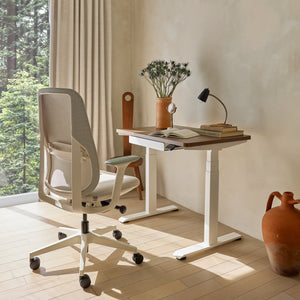
A height-adjustable desk integrates movement seamlessly into the day. The simple act of shifting from sitting to standing throughout the day improves circulation, engages core muscles, and acts as a powerful mental refresh button.
The essential investment here is a seamless height-adjustable desk that transitions quickly and quietly, ensuring the movement is a helpful habit, not a disruptive chore.

High-quality ergonomic furniture, while carrying a higher initial price tag, is built with commercial-grade materials and mechanisms, guaranteeing a far longer lifespan than conventional, mass-market pieces.
Calculate the cost over the expected lifespan (typically 10-15 years for quality ergonomic pieces) versus the need for frequent replacement of cheap items. The low annual cost of a durable, supportive piece makes it a sensible long-term financial decision.
In multi-user environments—whether a home office shared with a partner or a communal workspace—ergonomic investment must account for different body types and needs.
Ergonomic adaptability ensures that any person using the station can calibrate it precisely to their measurements in minutes. This makes the space universally comfortable and productive.
For two people using one surface, a cohesive two-person desk with independent adjustment features is the ideal investment, protecting the focus and health of both users simultaneously.
Investing in high-grade ergonomic furniture from specialized providers ensures not only a superior product but also access to quality support, robust warranties, and adherence to specific regional comfort standards.
The professional knows that the source of the equipment matters as much as the equipment itself. For instance, selecting an Ergonomic Office Chair California ensures the product meets stringent demands for quality, comfort, and service that address the needs of regional professionals.
The most immediate return on investment is the measurable increase in daily output. When workers are comfortable, they are simply more effective and less likely to take unscheduled breaks due to discomfort.
Ergonomics minimizes physical obstacles, ensuring that the professional can remain at the task with sustained energy.
The importance of the setup is confirmed by industry resources, which emphasize that high-quality office furniture is not a luxury, but a critical tool for productivity and safety.
A premium, well-designed workspace boosts confidence and fosters a sense of professionalism and commitment. This psychological lift is invaluable for self-motivation.
Choosing a sophisticated and functional piece, such as a traditional yet refined executive desk, makes the workspace a place you are eager to use. The aesthetic quality reinforces the seriousness and quality of the work being performed.
High-quality ergonomic systems are designed with modularity, ensuring that the initial investment remains viable even as organizational needs or technology changes.
The modularity of modern systems means components can be updated, reconfigured, or scaled without scrapping the entire setup. This protects the original investment value against shifting trends.
Adaptability Checklist:
☐ Cable Management: Built-in routes for future technologies. ☐ Modular Segments: Desks that can connect or separate easily. ☐ Height Memory: Programmable settings for quick adaptation to new users.
Ergonomic investment often means selecting pieces with clean lines and integrated features, which results in a calmer, more organized workspace.
The intentional design of quality furniture, with its concealed cable management and seamless structure, removes visual noise. This lack of clutter translates directly into mental clarity, supporting a focused, tranquil workday.

The decision to invest in ergonomic furniture is a recognition that your physical well-being is the foundation of your professional success. By choosing tools that actively support your posture, encourage movement, and eliminate discomfort, you are effectively buying back hours of focused attention and safeguarding your health for the long term. This strategic investment in your workspace is the ultimate commitment to your comfort, your productivity, and the sustained achievement of your goals.


You have unlocked free shipping!
You're saving $29 and unlocked free shipping!
Leave a comment