



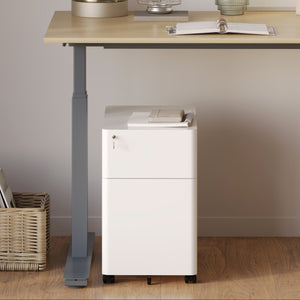






















Filing Cabinet Choices for Cleaner Workstation Planning
Cleaner workstation planning starts with filing storage that matches the desk, document volume, security needs, and daily workflow. Explore how cab...
Learn more

Visit quiz page to see how we makes it easy to create an inspiring workplace


In the modern workspace, ergonomic furniture is often perceived as a luxury item—a sleek, high-design piece chosen purely for its aesthetic appeal in a minimalist setting. This couldn't be further from the truth. While high-quality ergonomic design certainly boasts a refined, architectural look, its primary purpose is not visual, but physiological. It is a crucial tool engineered to minimize stress on the human body, prevent musculoskeletal disorders, and maximize cognitive function.
The central goal of ergonomics is to adapt the workstation to the user, not the other way around. By investing in pieces that are precisely adjustable and anatomically supportive, you are purchasing a form of preventative health care for your career. This guide will debunk the myth that ergonomics is merely about looks and explore the tangible health and productivity benefits that arise from a truly supportive workstation.
Ergonomics is derived from the Greek words ergon (work) and nomos (natural laws). It is fundamentally the science of optimizing human well-being and overall system performance.
Adaptability: The ability of the furniture to conform to unique body measurements.
Support: Providing consistent, dynamic support to maintain the spine's natural curvature.
Movement: Encouraging frequent, micro-postural changes to prevent stagnation.
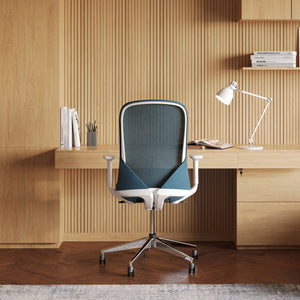
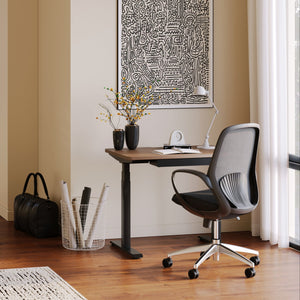
The ergonomic chair is the clearest example of function triumphing over simple aesthetics. It's a complex piece of engineering designed to distribute weight, support the lumbar spine, and promote healthy circulation.
A good chair isn't just comfortable for the first ten minutes; it's comfortable for eight hours because it maintains the correct seated posture. Features like adjustable lumbar support, seat pan depth, and precise armrest positioning are critical, not decorative.
A high-performance ergonomic chair proves that when form follows function, the result is both beautiful and medically beneficial.
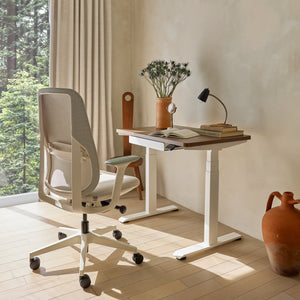
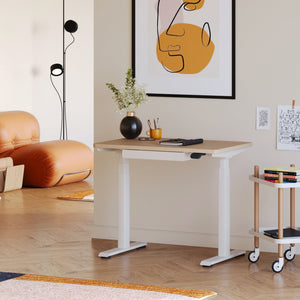
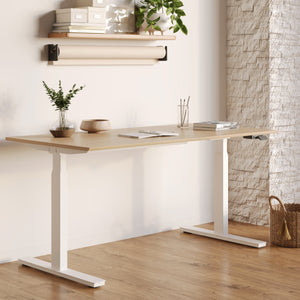
A fixed desk model provides a stable surface, but the modern workstation requires adaptability. The ability to shift between sitting and standing is a powerful health intervention, making a dynamic desk an essential ergonomic tool.
The core benefit of an adjustable unit is not just standing, but the fluid, frequent change in posture that boosts metabolism, improves blood flow, and enhances alertness. This dynamic movement combats the metabolic risks associated with prolonged sitting.
A quality stand up desk is a functional requirement for maintaining all-day energy and preventing strain.
While ergonomic furniture prioritizes support, its sleek appearance is often a side effect of its functional design. Pieces that are highly adjustable and minimally intrusive tend to look more refined.
The clean lines and proportional geometry seen in desirable office furniture are a result of efficient engineering. Clutter and bulk are eliminated because every component serves a precise, functional purpose, enhancing the overall aesthetic of the workstation.
For instance, high-quality Office Furniture Los Angeles is recognized not just for its style but for its ability to integrate complex mechanical features seamlessly into a minimalist design.

A common point of ergonomic failure is monitor height. If the screen is too low, neck strain is inevitable. The monitor arm is a purely functional device with profound ergonomic benefits.
The ability to easily adjust the screen height, distance, and angle for both seated and standing postures is crucial for maintaining a neutral neck position. This minimizes chronic pain and cognitive distraction.
A reliable desk accessory is essential for achieving the perfect alignment, as highlighted in expert advice on workstation design.
Pain is a profound distraction. By eliminating discomfort caused by poor posture, ergonomic furniture allows the user's cognitive resources to be fully dedicated to the task at hand.
Chronic neck or back pain consumes a portion of your mental energy. A supportive workstation removes this physical stress, freeing up mental capacity for focus, creativity, and problem-solving. This is the direct return on the ergonomic investment.
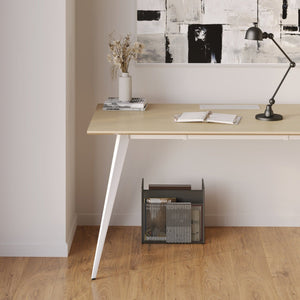
Even a traditional desk must meet ergonomic standards of stability, height, and durability. The desktop is the anchor for all ergonomic accessories.
A sturdy, substantial office table provides the secure foundation needed to support the weight and movement of ergonomic accessories and heavy computer equipment. Its stability prevents wobble, which can be a subtle source of visual and physical distraction.
Ergonomic furniture is typically built using commercial-grade, durable components designed to withstand years of heavy, adjustable use. This longevity is a functional advantage.
Investing in high-quality materials means the piece retains its crucial ergonomic function—such as the smooth gas lift of the chair or the stable motor of the adjustable desk—for its entire service life. Cheaper, non-ergonomic pieces often fail functionally within a few years.
The true intelligence of ergonomic design lies in the sheer range of customization available. This level of granular control is purely functional, ensuring the fit is personalized.
Seat Pan Depth: Must accommodate leg length to prevent pressure behind the knees.
Lumbar Height: Must align precisely with the small of the user's back.
Armrest Height: Must keep the user's shoulders relaxed and forearms parallel to the floor.
This ability to tailor the chair to the individual is the definition of functional excellence.
Ergonomics is not a short-term comfort solution; it's preventative medicine for common occupational injuries like Carpal Tunnel Syndrome, chronic low back pain, and tendonitis.
By enforcing neutral posture—straight wrists, eyes level with the screen, and supported back—ergonomic furniture significantly reduces the cumulative strain that leads to these painful and costly long-term issues.
The functional impact of ergonomics extends beyond the individual, influencing the health and productivity metrics of the entire workforce, whether in a corporate office or a home setting.
Reduced Absenteeism: Fewer days missed due to chronic pain.
Increased Efficiency: Higher output due to sustained focus and reduced discomfort.
Improved Morale: Employees feel valued when provided with tools that protect their health.
The clean, unadorned aesthetic of high-end ergonomic furniture is functional because it minimizes visual clutter. A visually calm workstation promotes mental clarity.
Every extra seam, component, or unnecessary curve is a distraction. The minimalist nature of effective ergonomic furniture is functional because it removes visual friction, allowing the user's mind to focus entirely on the task at the desk.

The belief that ergonomic furniture is merely aesthetic undervalues its profound impact on health, focus, and career longevity. It is a powerful, engineered tool that optimizes the critical interface between you and your work. By investing in the functional integrity of a specialized ergonomic chair and a dynamic stand up desk, you are investing directly in your long-term physical well-being and peak professional output.


You have unlocked free shipping!
You're saving $29 and unlocked free shipping!
Leave a comment