



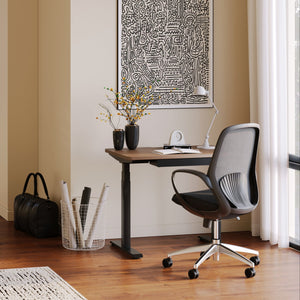
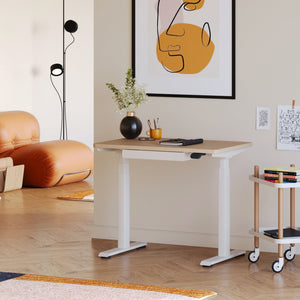
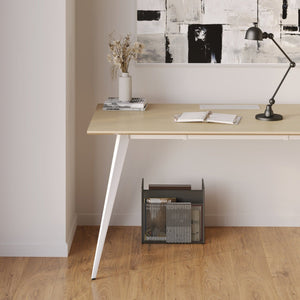
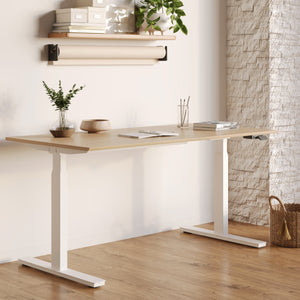
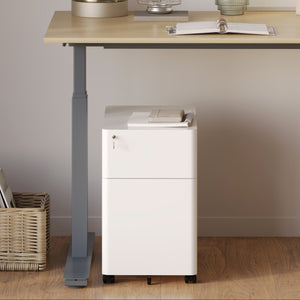






















Filing Cabinet Choices for Cleaner Workstation Planning
Cleaner workstation planning starts with filing storage that matches the desk, document volume, security needs, and daily workflow. Explore how cab...
Learn more
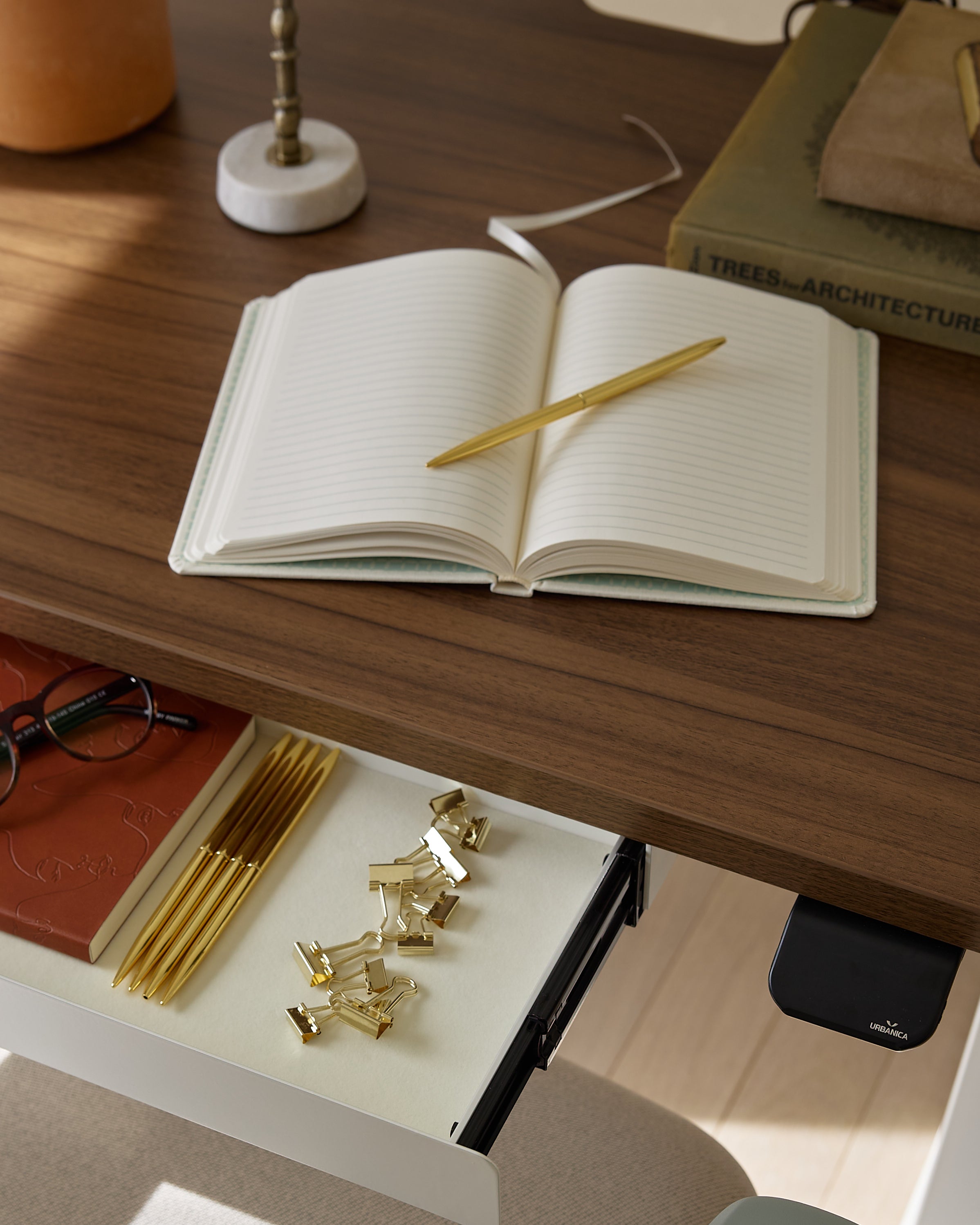
Visit quiz page to see how we makes it easy to create an inspiring workplace


Comfortable chairs for back pain matter because the way a seat aligns the spine, distributes weight, and supports posture shapes how the back tolerates long periods of sitting. Many people underestimate how often discomfort originates from furniture that works against the natural curvature of the body. Chairs that provide balanced support help reduce muscle fatigue, minimize pressure points, and encourage healthier movement patterns throughout the day.
A meaningful approach to comfort begins with understanding how seat height, backrest shape, armrest positioning, and cushioning work together. The aim is not perfection but consistency. A well designed seating environment improves regular habits that keep strain from accumulating. Brands that prioritize long term comfort carefully study these dynamics and offer multiple forms of supportive solutions, such as those found in our curated chair collection. Variety allows individuals to choose a chair that matches their work style, posture tendencies, and design preferences.
Comfortable chairs do not remove all back stress, nor do they claim to. Instead, they build a foundation for healthier sitting patterns that support the user throughout demanding days.
A chair’s structure directly influences how weight travels through the body. When a seat does not match the user’s proportions, the spine compensates, leading to discomfort. Proper design considers three fundamental elements: stability, alignment, and adaptability.
Stability ensures that the chair supports natural movements without forcing the body into rigid positions. Stable bases and thoughtfully positioned backrests help users remain grounded. This reduces unnecessary strain on the lower back and hips.
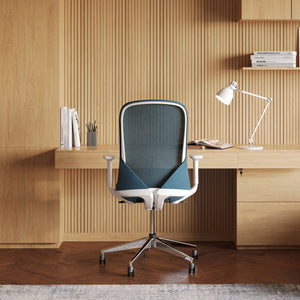
Alignment is shaped by how the seat supports the pelvis and spine. Chairs with guided back positioning reinforce the body’s natural S-shaped curve. The goal is to prevent slouching and keep the body balanced during long stretches of focused work. Products such as the Ergonomic Novo model offer an example of seating designed to maintain consistent support throughout the workday.
People shift positions throughout the day. Adaptable chairs allow these micro adjustments without compromising stability. Proper adaptability means the chair responds to movement naturally, helping the user avoid static pressure on the back.
Many people spend a significant portion of their day sitting. When the body remains in one posture for too long, muscles tighten and joints experience unnecessary pressure. This is why ergonomics plays a critical role in managing back pain.
Common habits create cumulative stress on the back. Leaning forward for extended periods, sitting too low or too high at a desk, and allowing shoulders to round forward all place pressure on the spine. These behaviors are not signs of failure or poor discipline. They are natural reactions to environments that are not supportive enough.
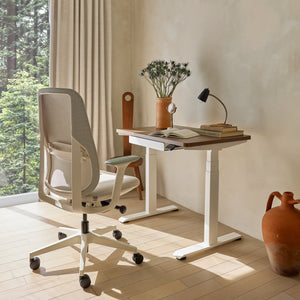
Workspaces with adjustable elements help users position themselves comfortably throughout the day. Tools like an adjustable standing desk support transitions between sitting and standing. These changes in posture encourage healthy circulation and reduce the strain that comes from remaining in one position for too long.
Supportive chairs reinforce comfortable positioning through thoughtful contours and structured cushioning. A well designed seat supports neutral posture, making it easier for the user to maintain healthy habits naturally rather than forcing them to sit rigidly.
Comfortable chairs influence long term back wellness by reducing repetitive stress and supporting alignment. The intention is not to promise perfect health but to contribute positively to daily habits that accumulate over time.
Evenly distributed pressure is a key contributor to comfort. When weight is concentrated in one area, muscles work harder to compensate. Balanced seating reduces these imbalances and creates a smoother sitting experience.
Back health improves when the body feels free to move throughout the day. A chair should not lock the user into a fixed posture. Instead, it should guide the body into natural patterns that support comfort. Models such as the Ergonomic Onyx seat prioritize this type of supportive movement.
Room layout, desk height, lighting position, and work habits all influence comfort. A chair functions best when it is part of a cohesive environment that supports ease and relaxation. This is why designers consider the entire workspace, not just the seat alone.
Not all supportive chairs are traditional office models. Accent and lounge seating can also contribute to comfort when designed thoughtfully.
Accent chairs bring warmth and style to living spaces. While they are not typically created for long hours of focused work, many offer supportive shapes suitable for reading, light tasks, and casual sitting. The gentle curves of options like the Seashell accent chair create a comfortable resting posture ideal for relaxing environments.
Aesthetic furniture contributes to a calming atmosphere that indirectly supports comfort. A relaxed mind encourages a relaxed posture. For many homes, the ideal solution mixes ergonomic work seating with visually appealing lounge pieces.
Task seating focuses on alignment during work activities. Lounge seating emphasizes ease during rest. Both contribute to well rounded comfort when used appropriately. Understanding these differences helps prevent misuse that could otherwise lead to discomfort.
The quality of a workspace is shaped by every element within it. A comfortable chair is essential, but it works best in combination with thoughtful desk arrangements and balanced room design.
A chair that fits the user still needs to fit the workstation. Desk height determines how arms rest, how the spine aligns, and whether the user leans forward to work. Choosing from our selection of modern desks allows the user to pair seating with furniture that suits their workflow.
Keeping frequently used items within a comfortable reach prevents twisting or leaning. A well organized workstation reduces moments of awkward posture that might otherwise go unnoticed.
Not all sitting happens at a desk. Lounge pieces, such as the Muse lounge chair, offer a welcoming place to reset between tasks. Short periods of restorative sitting can help counterbalance the pressures of more intense work.
Comfort affects how well people stay engaged in their work. When the body feels supported, the mind remains clearer and more focused.
A chair that encourages natural posture helps reduce distractions caused by tension or soreness. Over time, this leads to smoother workflows and greater consistency.
Calm environments promote deeper concentration. Supportive seating acts as a grounding element that helps users remain attentive to their tasks.
People feel more at ease in spaces that reflect their personal preferences. Furniture that matches lifestyle and aesthetics contributes to an overall sense of well being, which supports posture and comfort.
Thoughtful seating solutions work best when paired with informed habits. Educational resources, such as OSHA ergonomics guidelines, provide general principles that help individuals position their workspaces more safely.
Simple changes like maintaining neutral posture, adjusting chairs to personal proportions, and taking brief breaks can make a meaningful difference in how the back feels throughout the day.
Sometimes discomfort signals that the workspace needs refinement. Small adjustments to chair height, desk depth, or monitor level often ease tension noticeably.
Comfortable seating encourages healthy rhythms of sitting and moving. Balanced ergonomics are not about staying still but allowing motion without discomfort.
As work and home environments evolve, comfortable seating continues to influence how people feel throughout their day. Chairs that combine supportive structure with thoughtful design help users create spaces that nurture both productivity and relaxation.
Brands focused on comfort aim to develop furniture that supports natural habits without overpromising results. The goal is to provide dependable seating that contributes positively to long term well being. Comfortable chairs for back pain matter because they empower people to move through their day with greater ease. When comfort becomes part of everyday life, users can focus more on what inspires them and less on discomfort that might otherwise hold them back.


You have unlocked free shipping!
You're saving $29 and unlocked free shipping!
Leave a comment