



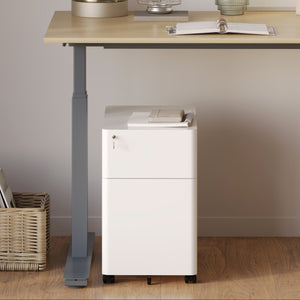






















Filing Cabinet Choices for Cleaner Workstation Planning
Cleaner workstation planning starts with filing storage that matches the desk, document volume, security needs, and daily workflow. Explore how cab...
Learn more
Visit quiz page to see how we makes it easy to create an inspiring workplace


Your workspace influences more than just comfort. The location of your desk affects how well you concentrate, how your body feels during long hours, and how smoothly your tasks flow throughout the day. Many people overlook desk placement when trying to improve productivity, yet it plays a major role in both focus and wellbeing. With thoughtful positioning and ergonomic choices, your workspace can become a supportive environment that encourages clarity and efficiency.
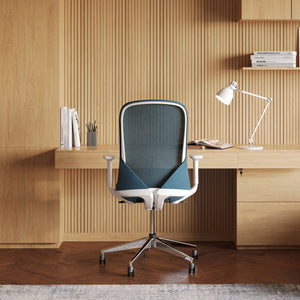
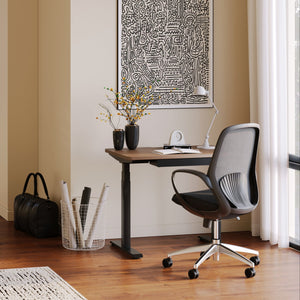
The first part of creating better focus begins with your seating. The right support keeps your body aligned, allowing you to stay focused longer without distraction. Choosing a supportive California Office Chair helps ground your workspace and sets the tone for how you interact with your desk area.
It reduces pressure on the lower back.
It helps keep your posture steady.
It keeps you centered and ready to focus.
The right chair influences how you engage with your entire workspace.
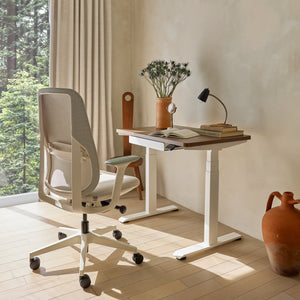
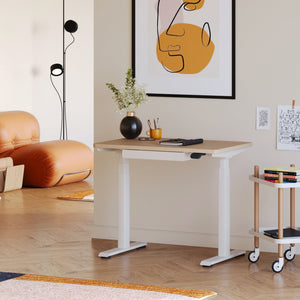
Movement supports mental clarity. Alternating between sitting and standing keeps your body active and prevents the sluggish feeling that often comes with long work periods. A flexible standing desk helps you introduce healthy movement without disrupting your workflow.
Reduces tension from static positions.
Increases natural alertness.
Encourages light movement throughout the day.
Changing your working height gives your brain a small reset, which boosts focus.
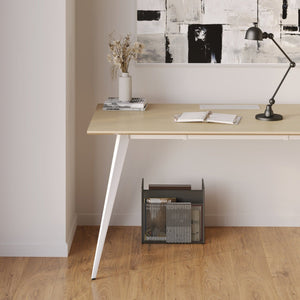
A spacious, simple layout helps reduce distractions and encourages steady focus. A functional office desk gives you the space you need to work comfortably without feeling crowded. When your environment feels clear, your mind follows.
Place essential tools within natural reach.
Keep visual clutter to a minimum.
Position your desk to avoid direct glare.
Good desk placement shapes how you feel at work.
Workspace setup often benefits from ergonomic research. A short ergonomic study provides insight into how furniture placement affects posture and productivity. Simple guidelines can help you position your desk in a way that supports natural body alignment.
Balanced posture reduces unnecessary strain.
Proper screen height protects neck alignment.
Thoughtful furniture choices improve long term comfort.
Evidence based design leads to better focus and healthier working habits.
Your arm position affects your neck, shoulders, and upper back. When your arms lack support, tension builds quickly. An adjustable Ergonomic Arm helps maintain relaxed shoulder positioning and promotes a stable working posture.
Reducing shoulder tightness.
Helping your wrists stay in a natural angle.
Preventing strain during long typing sessions.
When your upper body feels balanced, distraction decreases.
A comfortable seat supports subtle motion, which helps maintain circulation and reduces stiffness. A flexible office chair adds movement that supports your focus. It allows small shifts without compromising alignment.
Keeps your body engaged.
Reduces the feeling of being stuck in one position.
Supports healthy posture during long tasks.
Comfort encourages steady concentration.

|
Placement Factor |
Impact on Focus |
Suggested Adjustment |
|
Facing a wall |
Reduces visual distractions |
Add soft lighting for comfort |
|
Facing a window |
Helps mood but may cause glare |
Use curtains or blinds as needed |
|
Back to door |
May cause tension or alertness |
Shift desk to face entry if possible |
|
Side to window |
Balanced lighting |
Helps prevent screen glare |
|
Center of room |
Expanded space but less structure |
Use shelves to define workspace |
Desk location affects how you feel emotionally during work. A poorly placed desk can increase stress or reduce motivation. Positioning your workspace strategically helps create a calmer mindset that supports productivity.
Creates a sense of control.
Reduces anxiety caused by distractions.
Helps your brain associate your desk with focus.
Your environment influences the tone of your workday.
Lighting affects eye comfort and mental clarity. Desk placement near natural light helps reduce strain and supports a bright, energizing workspace. Although direct sunlight may cause glare, soft filtered light creates a comfortable setting.
Position your desk sideways to the window.
Use a soft lamp during evening hours.
Avoid harsh lighting directly behind your screen.
Lighting shapes the atmosphere of your workspace.
Visual clutter and distractions in your line of sight can pull your attention away from tasks. Desk placement that limits unnecessary visual noise helps you stay present and engaged.
Face your desk toward a simple surface.
Keep decorations minimal in your direct line of sight.
Use shelves or plants to block distracting areas.
A visually calm environment encourages deep focus.
Even the best desk placement requires regular movement. Flexibility keeps your mind sharp and your body comfortable.
Stand for short tasks or breaks.
Stretch your arms or legs every hour.
Rotate between tasks to keep your body active.
Movement sustains long term focus.
Use this checklist to evaluate your workspace quickly.
Desk Placement Checklist
Desk positioned near natural light.
Screen height aligned with eye level.
The chair supports natural posture.
Arm support positioned comfortably.
Minimal glare in your line of sight.
Desk not directly facing household distractions.
Clutter kept away from the main surface.
Proper walking space available around the desk.
Tools placed within natural reach.
Seating and desk arranged for neutral posture.
Your desk location impacts how energized you feel throughout the day. Good placement supports steady workflow, reduces interruptions, and creates a mental space for focus.
Consistent attention during tasks.
Fewer breaks caused by discomfort.
A more balanced work rhythm.
Placement affects the way you move through your day.
A workspace that supports your natural needs helps you stay focused without forcing you into uncomfortable positions. Desk placement becomes a silent partner, guiding your posture, attention, and flow. When your environment works with you, your tasks become smoother and more manageable.
Better concentration.
More comfortable posture.
A calmer working atmosphere.
Placement matters more than many realize.

Your workspace can shape your ability to concentrate, feel comfortable, and move naturally through the day. Desk placement influences everything from posture to mood. By choosing good positioning, supportive seating, flexible surfaces, and research backed ergonomic principles, you create a healthier environment that supports your routine. When your desk placement aligns with your needs, your workspace becomes a place where focus grows naturally.


You have unlocked free shipping!
You're saving $29 and unlocked free shipping!
Leave a comment