



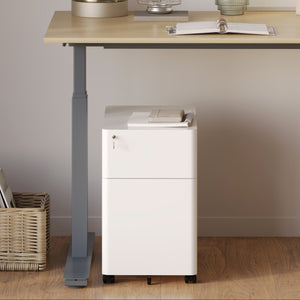






















Filing Cabinet Choices for Cleaner Workstation Planning
Cleaner workstation planning starts with filing storage that matches the desk, document volume, security needs, and daily workflow. Explore how cab...
Learn more
Visit quiz page to see how we makes it easy to create an inspiring workplace


Open-concept homes offer flexibility, light, and a sense of flow that traditional layouts often lack. At the same time, they can feel undefined if furniture placement is not handled carefully. Without walls to guide function, the responsibility falls on furniture to quietly set boundaries. With the right layout choices, an open floor plan can feel organized, comfortable, and visually balanced without losing its airy appeal.
Open-concept living removes physical barriers, but that does not mean every area should blend into one. When zones are unclear, spaces feel cluttered even when they are not full. Furniture becomes the language that tells the story of how each area is meant to be used.
A sofa angled slightly away from a dining table, a desk aligned with a window, or a chair positioned to face inward all help define purpose. These small shifts create invisible walls that guide movement and attention. Instead of fighting openness, smart furniture placement works with it.
Work areas in open homes should feel focused without appearing boxed in. Furniture scale, orientation, and placement matter more than physical separation.
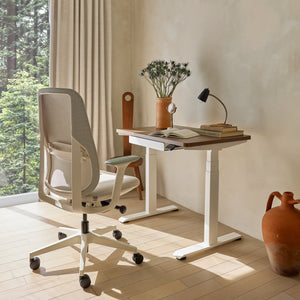
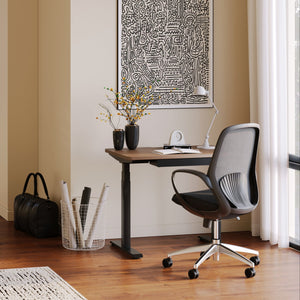
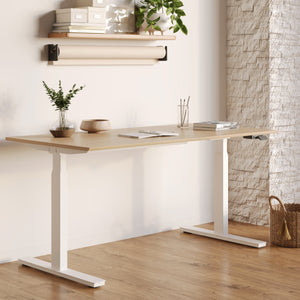
A desk placed parallel to a wall or window naturally signals a work zone. Avoid floating desks aimlessly in the center of the room, which can blur boundaries.
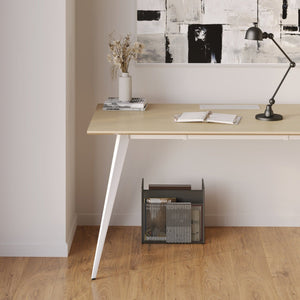
Smaller spaces benefit from desks that provide function without visual heaviness. A thoughtfully sized Office Desk Los Angeles placement works best when it aligns with architectural lines like windows or structural columns.
Tips for defining a work zone:
Place the desk so the back faces the living area
Keep task lighting specific to the workspace
Avoid mixing work furniture with lounge seating
Furniture height plays a quiet but powerful role in zoning. Tall-backed chairs, shelving, or standing desks naturally create separation without closing off the room.
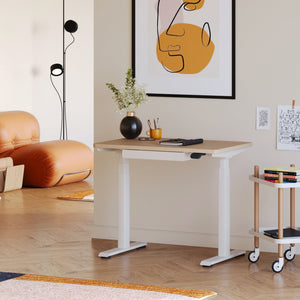
Height variation helps distinguish one function from another. A standing desk subtly communicates activity and purpose while maintaining openness.
When furniture supports movement, it keeps spaces from feeling static. Standing zones encourage energy and flow, especially in multi-use areas.
Best practices for height-based zoning:
Use taller furniture near transition areas
Keep lower furniture in lounging zones
Avoid blocking natural light paths
Dining spaces in open homes benefit from strong visual anchors. Tables should feel centered within their zone, even if there are no walls to frame them. Rugs help, but furniture alignment matters more.
Position dining tables so they mirror architectural elements like pendant lights or ceiling beams. Chairs should pull inward toward the table rather than outward toward other zones. This keeps the dining area feeling contained while still visually accessible.
Open homes often require workspaces to share visual space with living areas. The key is selecting desks that feel intentional rather than temporary.
A streamlined office desk creates a professional presence without overwhelming surrounding furniture.
Desks should never interrupt walkways or sightlines. Instead, they should sit slightly offset from main paths.
Placement tips for shared spaces:
Keep desks close to walls or windows
Avoid facing desks directly toward seating areas
Maintain clear walkways around the workspace
Open layouts affect how people concentrate, relax, and transition between activities. Studies on spatial ergonomics show that clearly defined zones improve focus and reduce mental fatigue, even in open environments. Research highlights that visual boundaries, not physical walls, play a major role in how spaces are perceived and used.
According to findings shared in environmental behavior research, subtle cues like furniture orientation and spacing help the brain switch tasks more easily. This reinforces the importance of intentional layouts in open homes.
|
Zone Type |
Key Furniture Element |
Layout Tip |
|
Living Area |
Sofa or sectional |
Angle slightly away from other zones |
|
Work Area |
Desk |
Face wall or window |
|
Dining Area |
Table |
Center under lighting |
|
Transition Space |
Chair or console |
Keep pathways clear |
|
Relaxation Nook |
Accent chair |
Position inward, not outward |
When zones overlap visually, comfort becomes critical. Poor posture in one area affects how the entire space feels.
Supportive accessories like an adjustable monitor arm reduce clutter while improving posture.
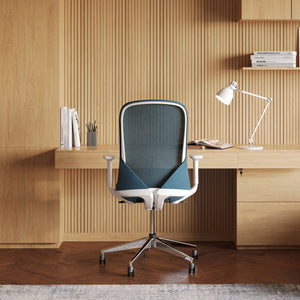
A supportive ergonomic office chair helps maintain comfort without visually overpowering shared spaces.
Comfort-focused layout tips:
Keep seating heights consistent across zones
Avoid mixing overly bulky furniture with slim profiles
Prioritize posture-friendly setups in work areas
Overfurnishing is the fastest way to make an open home feel chaotic. Each zone should have just enough furniture to communicate purpose without crowding adjacent areas. Empty space is not wasted space. It allows the eye to rest and reinforces boundaries naturally.
When in doubt, remove one piece and reassess. Open-concept homes reward restraint and clarity.
An open home works best when every zone feels intentional. Before finalizing your layout, run through this checklist:
Does each area have a clear function?
Is furniture oriented with purpose?
Are walkways unobstructed?
Do work zones feel focused?
Does seating encourage comfort and posture?
Is there enough breathing room between zones?
When furniture defines space instead of filling it, open-concept living becomes effortless and inviting.


You have unlocked free shipping!
You're saving $29 and unlocked free shipping!
Leave a comment