



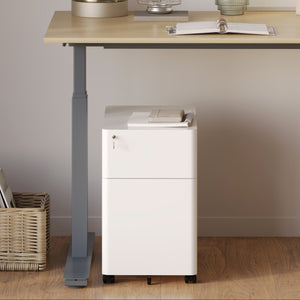






















Filing Cabinet Choices for Cleaner Workstation Planning
Cleaner workstation planning starts with filing storage that matches the desk, document volume, security needs, and daily workflow. Explore how cab...
Learn more
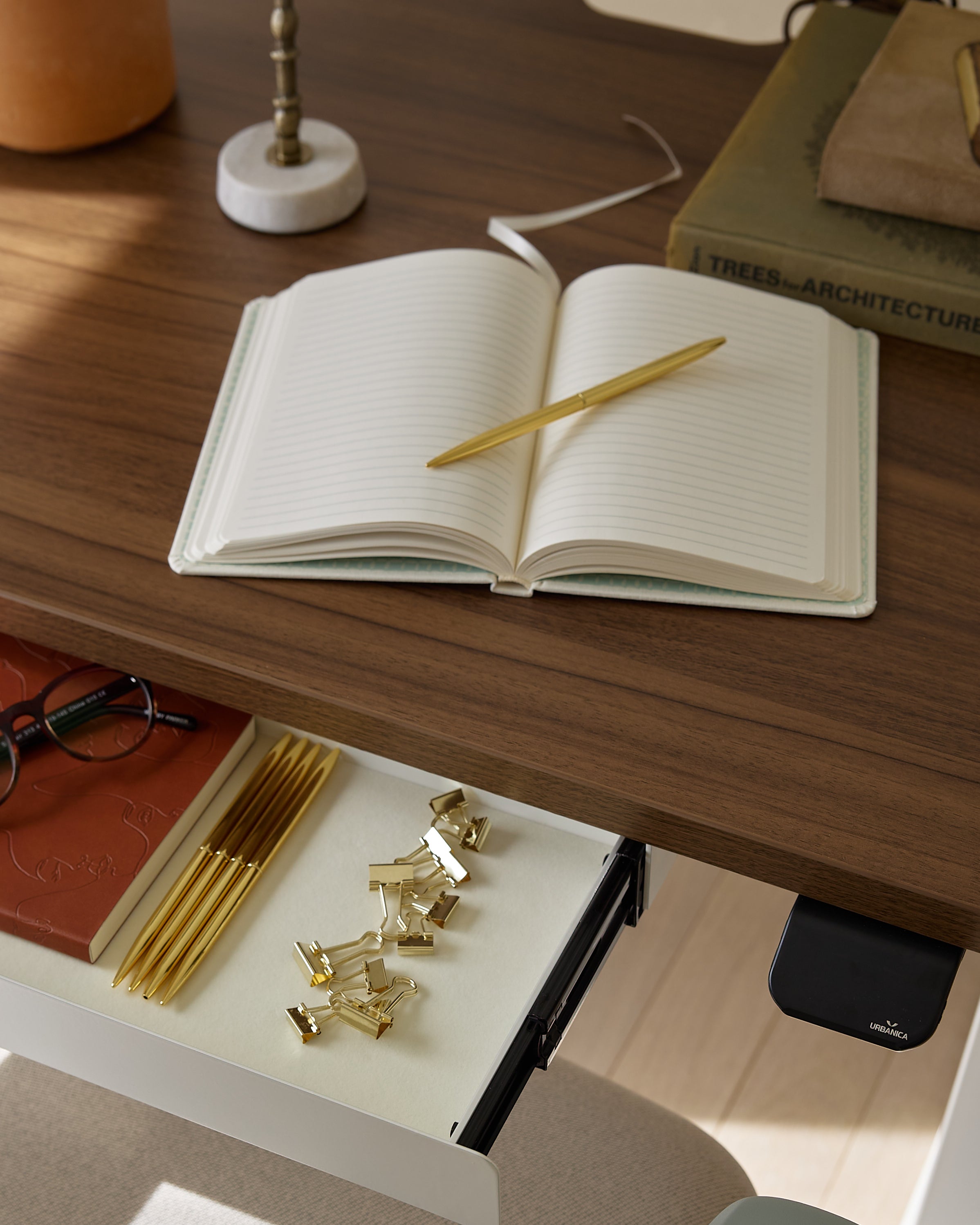
Visit quiz page to see how we makes it easy to create an inspiring workplace


Modern homes are no longer limited to single-purpose rooms. A living room can become a workspace, a bedroom can double as a study area, and a small corner can function as a productive home office. Because spaces now serve multiple roles, furniture must support both productivity and relaxation.
Furniture that balances comfort and function allows people to transition smoothly between work and rest. Instead of creating separate environments for every activity, well-designed furniture helps a single space adapt throughout the day.
The most successful interiors combine ergonomic design, practical layout, and visual simplicity. When furniture supports posture, movement, and organization, it becomes easier to remain productive during work hours and relaxed afterward.
Creating this balance begins with thoughtful furniture choices that prioritize both comfort and efficiency.
Many homes today require flexible spaces that can adapt to different activities. Instead of building dedicated offices, many people now integrate work areas into existing rooms.
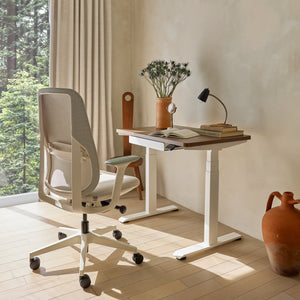
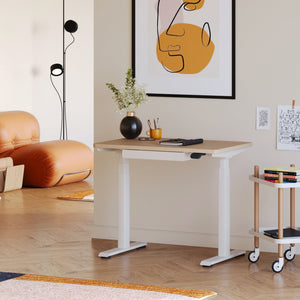
A carefully designed Mini Standing Desk Los Angeles setup allows homeowners to create productive work zones without sacrificing valuable living space. Compact workstations make it possible to maintain focus during work hours while still keeping the room comfortable and inviting.
Flexible workspace furniture offers several advantages:
Efficient use of smaller living spaces
Easy transition between work and relaxation
Organized surfaces for productivity tools
Clean layouts that maintain visual calm
When furniture is designed with adaptability in mind, it becomes easier to maintain balance between productivity and relaxation.
Remaining seated for long periods can create both physical discomfort and mental fatigue. Modern furniture designs aim to encourage movement throughout the day.
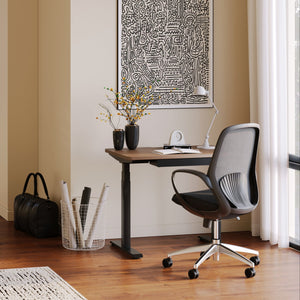
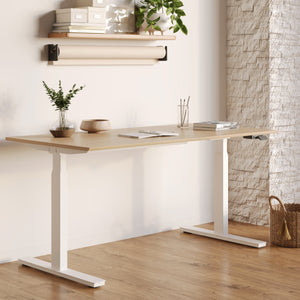
An adjustable standing desk supports healthier work habits by allowing users to alternate between sitting and standing positions.
Benefits include:
Reduced pressure on the lower back
Increased circulation during long work sessions
Improved alertness and energy
Furniture that supports movement allows workers to adjust their posture throughout the day. Alternating between sitting and standing positions helps maintain comfort while keeping productivity levels high.
Movement-friendly furniture helps create workspaces that feel both active and comfortable.
A cluttered workspace can disrupt concentration and make tasks feel overwhelming. Desks designed with practical layouts help maintain clarity and order.
A well-designed office desk provides enough surface area for essential work tools while maintaining a clean and organized environment.
Helpful strategies for productive desk setups include:
Keeping frequently used items within reach
Maintaining clear desk surfaces
Avoiding unnecessary accessories
Clean desk designs contribute to a more peaceful workspace. When furniture promotes organization, it becomes easier to remain focused during work hours and relaxed afterward.
Balanced layouts help maintain both productivity and comfort.
Furniture design affects more than physical comfort. It also influences mood, concentration, and overall well-being.
Research on workspace psychology highlights how well-designed environments can improve productivity while reducing stress.
Furniture that supports calm and organization helps people:
Maintain focus during tasks
Feel more comfortable in their environment
Reduce visual distractions
When furniture promotes both order and comfort, it becomes easier to maintain balance throughout the day.
Improper monitor placement can cause neck strain and fatigue during long work sessions. Screens positioned too low often lead users to lean forward.
Using a monitor arm allows screens to be raised to eye level, improving posture and workspace organization.
Benefits include:
Reduced neck and shoulder tension
Improved viewing angles
Increased desk space
When screens and accessories are positioned correctly, desks remain uncluttered. Clean layouts help maintain a sense of calm even during busy workdays.
Thoughtful monitor placement supports both productivity and relaxation.
Comfortable seating is essential for maintaining balance between work and relaxation. Chairs that support posture reduce strain during long periods of sitting.
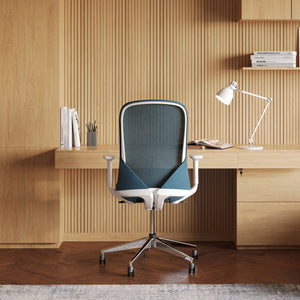
A supportive ergonomic office chair helps maintain natural spinal alignment while providing consistent comfort throughout the day.
Ergonomic seating provides:
Proper lumbar support
Reduced muscle fatigue
Improved posture during work sessions
Comfortable seating allows users to remain productive without sacrificing physical comfort.
|
Furniture Feature |
Productivity Benefit |
Relaxation Benefit |
|
Adjustable desks |
Supports movement |
Reduces physical strain |
|
Ergonomic chairs |
Maintains posture |
Increases comfort |
|
Organized desks |
Improves focus |
Reduces visual stress |
|
Monitor arms |
Better screen alignment |
Cleaner layouts |
|
Compact workstations |
Efficient space use |
Maintains room balance |
Furniture that supports both roles helps create environments where productivity and relaxation coexist.
Workspaces that blend naturally into living environments help maintain a sense of calm throughout the home.
Helpful layout strategies include:
Positioning desks near natural lighting
Keeping work tools within designated areas
Maintaining clear walking paths
These small adjustments help create organized environments without overwhelming the room.
Furniture that maintains clean lines and simple layouts supports both relaxation and productivity. Visual balance helps prevent workspaces from feeling chaotic.
Minimal designs encourage both focus and comfort.
Furniture that supports both productivity and relaxation contributes to healthier daily routines. When spaces feel comfortable and organized, it becomes easier to transition between work tasks and personal time.
Over time, well-designed furniture helps:
Reduce stress during work sessions
Improve concentration
Maintain comfortable work environments
Encourage healthier posture habits
Balanced furniture design creates environments that support both professional and personal needs.
Creating a balanced home environment requires furniture that adapts to both productivity and comfort.
Use this checklist when designing a multi-purpose space:
Choose desks that support flexible work positions
Maintain organized and clutter-free surfaces
Position monitors at eye level
Invest in ergonomic seating for long work sessions
Maintain open pathways around work areas
Keep frequently used tools within reach
Avoid overcrowding the workspace with furniture
Use compact furniture for smaller spaces
Maintain simple layouts that promote calm
Reevaluate workspace comfort regularly
Furniture that supports both productivity and relaxation helps create homes that feel balanced, efficient, and comfortable. When workspaces blend naturally into living environments, it becomes easier to maintain focus during work hours and relaxation afterward.


You have unlocked free shipping!
You're saving $29 and unlocked free shipping!
Leave a comment