



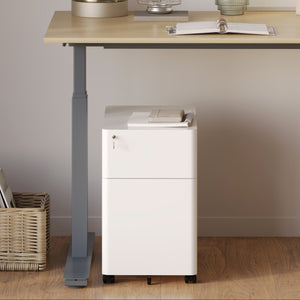






















Filing Cabinet Choices for Cleaner Workstation Planning
Cleaner workstation planning starts with filing storage that matches the desk, document volume, security needs, and daily workflow. Explore how cab...
Learn more
Visit quiz page to see how we makes it easy to create an inspiring workplace


A cluttered space rarely comes from mess alone. More often, it comes from furniture that does not support how you actually live and work. When surfaces are crowded, storage feels awkward, and seating feels uncomfortable, mental clutter follows. Decluttering is not just about removing items. It is about choosing furniture that makes order feel natural. This guide shows how thoughtful furniture choices can help clear your space and calm your mind.
Decluttering is usually framed as a habit or discipline problem, but the physical environment plays an equally powerful role. Furniture determines where items land, how easily they are stored, and how often they get moved. When furniture does not align with daily routines, clutter builds without intention.
Research on the connection between mental health and physical order shows that cluttered environments increase stress and mental fatigue. This link between physical and mental clutter is explored further in studies on the psychology of organizing and its impact on emotional wellbeing. Furniture that supports clear surfaces and easy storage reduces cognitive overload and helps the mind stay focused.
Every flat surface becomes a magnet for papers, devices, and unfinished tasks. The goal is not to remove all surfaces but to choose ones that serve a clear purpose.
Limit work surfaces to what you actively use
Avoid extra tables that do not support a function
Choose furniture that encourages daily reset habits
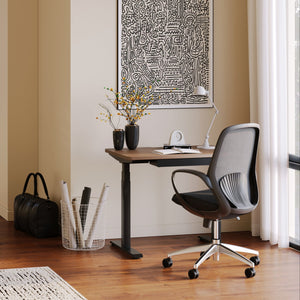
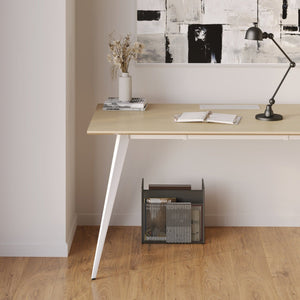
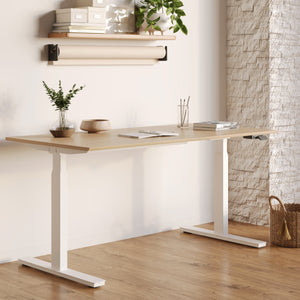
When a workspace has a clear function, clutter has fewer places to hide. A properly sized work surface supports focus without inviting overflow. A thoughtfully chosen office desk helps define boundaries between work tools and personal items, keeping visual noise low throughout the day.
Storage only works when it is easy to use. If drawers are hard to reach or cabinets are awkwardly placed, items end up on desks instead.
Keep daily items within arm’s reach
Store occasional items out of sight but accessible
Avoid deep storage that hides forgotten clutter
Vertical storage reduces the number of items visible at eye level. This keeps the room feeling open and calm while still holding everything you need. Furniture that integrates storage quietly supports organization without demanding attention.
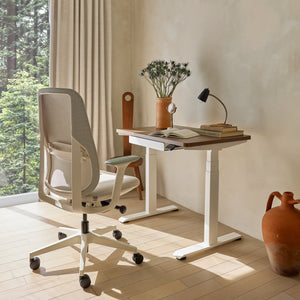
The desk is often the largest visual anchor in a workspace. When it is too large, it dominates the room. When it is too small, it becomes cluttered quickly. Choosing the right desk size helps maintain balance.
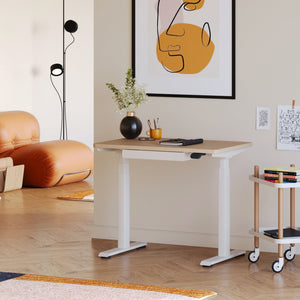
For those who alternate between sitting and standing, a standing desk supports movement while reducing the tendency to spread items across the surface. Movement encourages regular resets, which naturally limit clutter buildup.
When seating causes discomfort, the brain stays distracted. Subtle discomfort accumulates into fatigue, irritability, and loss of focus.
Proper seat height keeps posture neutral
Back support reduces tension
Arm support eases shoulder strain
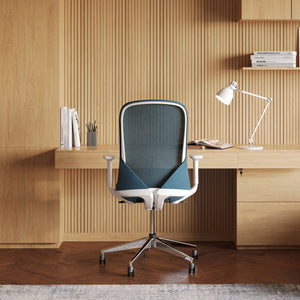
A supportive ergonomic chair allows the body to settle, which helps the mind stay present. When seating supports long sessions comfortably, fewer adjustments are needed and attention remains on the task.
Arm support is often overlooked, but it plays a role in desk organization. Without proper arm support, people shift closer to the desk, pulling items into awkward positions.
Adding ergonomic arm support keeps arms relaxed and shoulders aligned, reducing the need to crowd the desk surface. This subtle change supports both posture and spatial clarity.
|
Furniture Element |
Impact on Clutter |
Impact on Focus |
Best Use |
|
Oversized desk |
Encourages piling |
Overwhelming |
Large offices |
|
Right-sized desk |
Limits clutter |
Focused |
Daily work |
|
Open shelving |
Visual noise |
Distracting |
Decorative storage |
|
Closed storage |
Clean sightlines |
Calming |
Small spaces |
|
Supportive chair |
Neutral posture |
Sustained focus |
Long sessions |
|
Arm support |
Clear surfaces |
Reduced strain |
Desk work |
Furniture layouts that support quick resets help maintain order without effort.
Clear desk edges make wiping down easier
Simple drawer systems reduce sorting time
Defined zones prevent item migration
When furniture minimizes visual clutter, the brain processes fewer stimuli. This makes the space feel quieter, even during busy workdays.
A cluttered space rarely comes from mess alone. More often, it comes from furniture that does not support how you actually live and work. When surfaces are crowded, storage feels awkward, and seating feels uncomfortable, mental clutter follows. Decluttering is not just about removing items. It is about choosing furniture that makes order feel natural. This guide shows how thoughtful furniture choices can help clear your space and calm your mind.
Decluttering is usually framed as a habit or discipline problem, but the physical environment plays an equally powerful role. Furniture determines where items land, how easily they are stored, and how often they get moved. When furniture does not align with daily routines, clutter builds without intention.
Research on the connection between mental health and physical order shows that cluttered environments increase stress and mental fatigue. This link between physical and mental clutter is explored further in studies on the psychology of organizing and its impact on emotional wellbeing. Furniture that supports clear surfaces and easy storage reduces cognitive overload and helps the mind stay focused.
Every flat surface becomes a magnet for papers, devices, and unfinished tasks. The goal is not to remove all surfaces but to choose ones that serve a clear purpose.
Limit work surfaces to what you actively use
Avoid extra tables that do not support a function
Choose furniture that encourages daily reset habits
When a workspace has a clear function, clutter has fewer places to hide. A properly sized work surface supports focus without inviting overflow. A thoughtfully chosen office desk helps define boundaries between work tools and personal items, keeping visual noise low throughout the day.
Storage only works when it is easy to use. If drawers are hard to reach or cabinets are awkwardly placed, items end up on desks instead.
Keep daily items within arm’s reach
Store occasional items out of sight but accessible
Avoid deep storage that hides forgotten clutter
Vertical storage reduces the number of items visible at eye level. This keeps the room feeling open and calm while still holding everything you need. Furniture that integrates storage quietly supports organization without demanding attention.
The desk is often the largest visual anchor in a workspace. When it is too large, it dominates the room. When it is too small, it becomes cluttered quickly. Choosing the right desk size helps maintain balance.
For those who alternate between sitting and standing, a standing desk supports movement while reducing the tendency to spread items across the surface. Movement encourages regular resets, which naturally limit clutter buildup.
When seating causes discomfort, the brain stays distracted. Subtle discomfort accumulates into fatigue, irritability, and loss of focus.
Proper seat height keeps posture neutral
Back support reduces tension
Arm support eases shoulder strain
A supportive ergonomic chair allows the body to settle, which helps the mind stay present. When seating supports long sessions comfortably, fewer adjustments are needed and attention remains on the task.
Arm support is often overlooked, but it plays a role in desk organization. Without proper arm support, people shift closer to the desk, pulling items into awkward positions.
Adding ergonomic arm support keeps arms relaxed and shoulders aligned, reducing the need to crowd the desk surface. This subtle change supports both posture and spatial clarity.
|
Furniture Element |
Impact on Clutter |
Impact on Focus |
Best Use |
|
Oversized desk |
Encourages piling |
Overwhelming |
Large offices |
|
Right-sized desk |
Limits clutter |
Focused |
Daily work |
|
Open shelving |
Visual noise |
Distracting |
Decorative storage |
|
Closed storage |
Clean sightlines |
Calming |
Small spaces |
|
Supportive chair |
Neutral posture |
Sustained focus |
Long sessions |
|
Arm support |
Clear surfaces |
Reduced strain |
Desk work |
Furniture layouts that support quick resets help maintain order without effort.
Clear desk edges make wiping down easier
Simple drawer systems reduce sorting time
Defined zones prevent item migration
When furniture minimizes visual clutter, the brain processes fewer stimuli. This makes the space feel quieter, even during busy workdays.
Decluttering is not a one-time event. Furniture choices should support simplicity over years, not just during a seasonal refresh. Durable materials, neutral finishes, and adaptable designs reduce the need for frequent replacements.
For those seeking reliable solutions locally, Office Furniture Los Angeles options that prioritize clean design and functional balance help create workspaces that stay calm and organized over time.
Use this checklist to guide your next furniture decision:
Does this piece reduce or add visual clutter?
Does it support how I work daily?
Can it store items without hiding chaos?
Does it encourage regular resets?
Will it still feel useful a year from now?
When furniture supports clarity, decluttering becomes effortless. A well-designed space does not demand constant cleaning. It quietly maintains order and gives your mind room to breathe.
Decluttering is not a one-time event. Furniture choices should support simplicity over years, not just during a seasonal refresh. Durable materials, neutral finishes, and adaptable designs reduce the need for frequent replacements.
For those seeking reliable solutions locally, Office Furniture Los Angeles options that prioritize clean design and functional balance help create workspaces that stay calm and organized over time.
Use this checklist to guide your next furniture decision:
Does this piece reduce or add visual clutter?
Does it support how I work daily?
Can it store items without hiding chaos?
Does it encourage regular resets?
Will it still feel useful a year from now?
When furniture supports clarity, decluttering becomes effortless. A well-designed space does not demand constant cleaning. It quietly maintains order and gives your mind room to breathe.


You have unlocked free shipping!
You're saving $29 and unlocked free shipping!
Leave a comment