



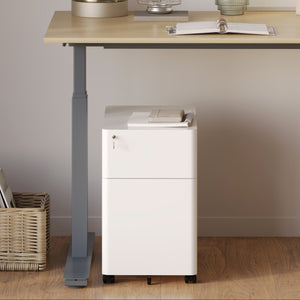






















Filing Cabinet Choices for Cleaner Workstation Planning
Cleaner workstation planning starts with filing storage that matches the desk, document volume, security needs, and daily workflow. Explore how cab...
Learn more
Visit quiz page to see how we makes it easy to create an inspiring workplace


Productivity does not start with apps, planners, or complicated routines. It begins with the physical environment you sit, stand, and think in every day. When your furniture supports your body, your workflow, and your natural rhythms, focus becomes easier, tasks move faster, and work feels less exhausting. The relationship between your posture, your workspace, and your cognitive performance is stronger than most people realize.
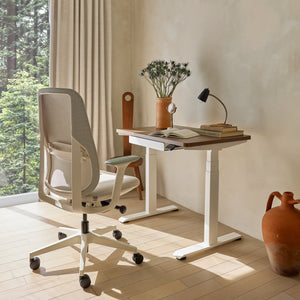
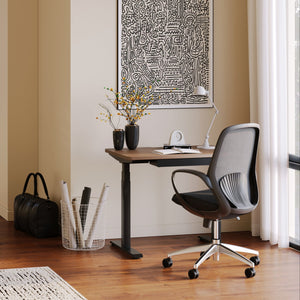
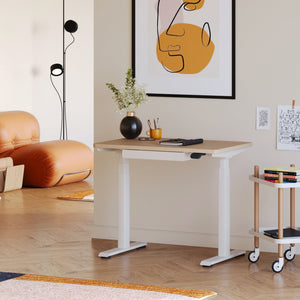
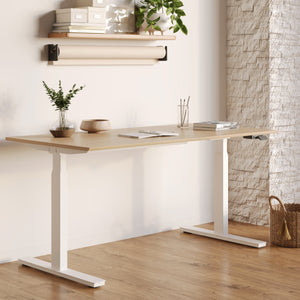
A well-designed workstation improves energy levels, reduces strain, and reinforces habits that help you work with clarity instead of fatigue. This is where thoughtful pieces like a Small Standing Desk California play a key role, offering flexibility that supports movement and alignment even in small spaces. By combining posture-friendly surfaces, supportive seating, and ergonomically informed setups, your home office transforms into an environment that actively elevates your output.
This guide explores the essential ways good furniture boosts productivity, and how to build a supportive workspace regardless of room size or layout.
Comfort affects your cognitive performance more than most people expect. If your body is strained, your brain becomes preoccupied with managing discomfort instead of focusing on deep work.
It reduces background stress that drains mental energy.
It keeps your posture neutral, helping you maintain focus longer.
It prevents early fatigue, allowing your workday to stay consistent.
A poorly aligned desk or chair forces your body into unhealthy positions. Over time, you unconsciously shift, twist, lean, or slump to relieve tension. Each adjustment breaks concentration and fragments your attention.
Small but constant posture corrections add up, lowering work quality and increasing the time it takes to finish tasks. Good furniture eliminates this cycle so your brain can fully engage with the work in front of you.
Static sitting creates tension, slows circulation, and makes your body feel heavy. That heaviness directly translates into slower thinking.
A workstation that encourages movement helps maintain energy throughout the day.
A compact, height-adjustable surface like a standing desk supports posture changes without interrupting your workflow. That movement keeps your body alert and your mind sharper.
Switching from sitting to standing and back again resets your focus and prevents mental stagnation.
With the right setup, movement feels natural and does not break your concentration.
Your desk is the anchor of your workspace. A well-proportioned office desk helps maintain order, promotes healthy posture, and supports your daily routine.
Clean lines reduce visual distractions.
Proper depth and width prevent clutter from piling up.
A stable surface keeps your monitor and accessories at ergonomic height.
When your desk has enough space for your essentials, you spend less time searching for items and more time staying in your mental zone.
A well-structured workstation desk table enhances efficiency because your environment reinforces your habits.
A workspace informed by ergonomic principles supports health and productivity simultaneously.
You can reference insights from ergonomic research to understand how proper alignment directly affects cognitive endurance.
Reduced joint strain
No unnecessary pressure on wrists
Smoother breathing from better posture
Fewer early-morning or late-afternoon slumps
Your monitor, desk height, chair position, and arm support should create a neutral posture where your body feels natural and relaxed. This reduces wasted energy and improves long-term comfort.

Your arms and shoulders absorb more strain than most people realize. When your forearms lack proper support, your shoulders lift, your neck tenses, and your upper back starts to fatigue.
Fatigue in your shoulders leads to:
Slower typing
Higher tension headaches
More frequent posture shifts
Reduced focus and endurance
Adding an accessory like an Ergonomic Arm helps your upper body stay relaxed. With your arms supported, your breathing smooths out and your posture stabilizes, allowing your mind to stay on task rather than discomfort.
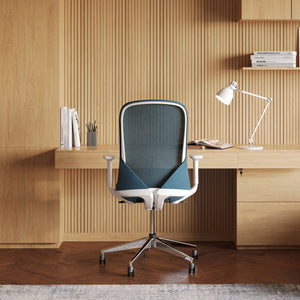
If your chair works against you, your productivity will suffer. A supportive ergonomic chair helps maintain alignment and stabilizes your posture during long work hours.
Adjustable back angle
Lumbar support that follows natural spine curvature
Armrests positioned to reduce shoulder tension
A seat height that keeps your feet grounded
Your chair doesn’t just affect your posture. It influences your emotional and cognitive state. Supportive seating helps you maintain calm, comfortable focus during prolonged concentration.
An option like an ergonomic chair ensures your seated time contributes to productivity, not fatigue.
Your workspace background impacts how your brain processes information. A chaotic space creates a chaotic mental state.
Fewer visual distractions lead to more focus
A clean background boosts motivation
Simpler visuals reduce cognitive overload
Well-placed shelving, cabinets, or simple decor can help define a clean visual boundary. Your workspace becomes mentally predictable, allowing your brain to remain calm.
Even small changes in layout can boost performance by creating a flow that naturally guides you from one task to the next.
Place your most used items within arm’s reach. Position your desk near a window for natural light. Arrange your seating so posture remains open and aligned.
Keep your notebook and pen close
Store cables neatly
Place lighting behind your monitor for balanced visibility
A well-planned layout reinforces momentum and makes your workflow smoother.
Minimalism is not about owning less. It’s about removing visual noise so your brain has more bandwidth for deep work.
Your brain processes fewer distractions
Your workspace feels calmer
Your daily setup becomes simpler and faster
Choose pieces with simple shapes and clean lines. Your mind naturally benefits from a workspace that feels orderly but not empty.
Good furniture changes more than your posture; it changes your mindset.
Balanced proportions feel more stable
Warm materials create comfort
Clean surfaces feel supportive, not overwhelming
A workspace that feels good encourages you to spend time in it and work efficiently while you’re there.
Use this checklist to maintain a productivity-boosting environment.
Chair adjusted so your feet rest flat
Desk at a comfortable height for typing
Monitor set at eye level
Arms supported with proper alignment
Lighting soft and placed in front of you
Cables organized under the desk
Clutter removed from your main workspace
Background clean and visually calm
Water bottle or drink placed within reach
Break schedule integrated into your routine
Following these simple checks keeps your setup efficient and comfortable all day.
|
Workspace Element |
Purpose |
Productivity Benefit |
|
Desk height |
Neutral wrists and shoulders |
Longer comfort while working |
|
Chair support |
Proper posture |
Less fatigue and better focus |
|
Arm support |
Reduced tension |
Smooth typing and calm shoulders |
|
Lighting |
Balanced visibility |
Clear thinking and fewer headaches |
|
Background order |
Visual clarity |
Better mental organization |

The right furniture does not need to be extravagant. It simply needs to be supportive. When your desk, chair, and accessories work together, they improve your posture, reduce discomfort, and support clear thinking.
Every detail matters: the height of your surface, the support for your arms, the alignment of your screen, and the comfort of your seating. When these work in harmony, productivity stops feeling forced. It becomes a natural result of a well-designed environment.


You have unlocked free shipping!
You're saving $29 and unlocked free shipping!
Leave a comment