















Skip to content
For Teams
Memorial Day Deals Are Here - Upgrade Your Workspace for Less using the code MEMORIALDAY | Free Shipping on Orders $65+
FAQ
need to know

Useful articles

What Size Filing Cabinet Makes Sense for Small Workspaces?

What Size Filing Cabinet Makes Sense for Small Workspaces?

Small workspaces ask more from every piece of furniture. A filing cabinet cannot simply hold documents. It has to preserve walking room, support the desk setup, keep papers easy to reach, and avoid making the office feel crowded. The right size is rarely the largest cabinet the room can physically fit. It is the smallest cabinet that comfortably handles active paperwork while protecting the way the workspace functions.

For most compact home offices, apartment work corners, bedroom desks, and small professional rooms, a low two-drawer or mobile filing cabinet makes the most sense. It offers enough room for everyday documents, folders, supplies, and personal records without taking over the floor plan. A taller cabinet may work when paper volume is high and wall height is available, while a wide lateral cabinet usually needs a room with more open wall space.

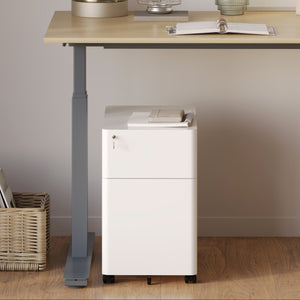
The best decision starts with a simple question: what needs to stay within reach while work is happening? A compact lockable file cabinet can support small-space organization when documents need to stay contained, accessible, and tucked away rather than spread across the desk.

Why Filing Cabinet Size Matters More in Small Workspaces

In a large office, an oversized filing cabinet may be inconvenient. In a small workspace, it can change how the entire room feels and functions. A cabinet that is too deep can block a chair. One that is too tall can dominate a narrow wall. One that is too wide can interrupt the natural flow between the desk, doorway, closet, or window.

A Cabinet Can Fit the Floor Plan and Still Feel Wrong

A common mistake is measuring only the footprint. The cabinet may fit against a wall, but that does not mean it works in the room. Filing cabinets need clearance in front so drawers can open fully. The user also needs space to sit, turn, stand, and move around the desk without shifting furniture.

A small workspace should feel easy to use. If every file retrieval requires moving the chair, closing a closet door, or stepping around a drawer, the cabinet is oversized for the working conditions. The practical size is determined by the open drawer, not just the closed cabinet.

Closed Storage Reduces Visual Clutter

Paper clutter feels larger in small rooms. Loose documents, folders, mail, receipts, notebooks, and forms quickly make a desk look unfinished. A filing cabinet gives paperwork a defined place, which helps the room feel calmer and more intentional.

Closed storage is especially helpful in shared spaces, such as living rooms, bedrooms, studio apartments, or guest rooms. When the workday ends, the papers disappear behind a drawer front. That visual reset matters in rooms that serve more than one purpose.

Active Files Should Guide Cabinet Size

Not every document deserves prime workspace storage. Active files are papers used weekly or monthly, such as current projects, bills, tax documents, contracts, client notes, or forms that need action. Archive files are older records, closed projects, expired warranties, and rarely used paperwork.

In a small workspace, active files should determine cabinet size. Archive files can usually live in labeled boxes, closets, or secondary storage. Choosing a cabinet for every document ever kept often leads to a piece that is bigger than the room truly needs.

Filing Cabinet Styles That Work Best in Compact Offices

The right filing cabinet size depends on both paper volume and room shape. A narrow bedroom office has different needs than a small business reception area or an apartment desk zone. The most useful choice balances capacity, placement, access, and visual proportion.

Two-Drawer Filing Cabinets for Everyday Paperwork

A two-drawer filing cabinet is often the most practical size for small workspaces. It provides enough capacity for routine paperwork without becoming the dominant piece in the room. One drawer can hold active files, while the second can hold supplies, manuals, reference folders, or recent records.

This size works well for hybrid workers, students, freelancers, and households that need a reliable place for documents but do not manage heavy paper archives every day. It also encourages better editing. When storage is limited but usable, old files are less likely to pile up indefinitely.

When Two Drawers Are Enough

A two-drawer cabinet usually makes sense when the workspace supports one person, the paper volume is moderate, and most records can be divided into active and secondary categories. It is also useful when the cabinet needs to sit near a desk without overwhelming it.

When More Storage May Be Needed

Two drawers may feel limited for businesses with client records, employee documents, vendor paperwork, or frequent printed materials. In that case, a taller vertical cabinet or multiple compact cabinets may be more useful than one bulky piece placed in the wrong zone.

Mobile Cabinets for Flexible Rooms

Mobile filing cabinets are helpful when a room changes purpose throughout the week. A cabinet on casters can shift beside the desk during work sessions and move away when the room needs to feel more open. This can be valuable in apartments, bedrooms, multipurpose rooms, and shared creative spaces.

Mobility does not remove the need for measurement. The cabinet still needs floor clearance, drawer clearance, and a stable place to rest. If the floor is crowded with rugs, cords, chair legs, or other furniture, a mobile cabinet may not move as smoothly as expected.

Low Desk-Side Cabinets for Better Workflow

A low cabinet placed beside the desk can keep important files within reach. This setup works well when the cabinet is used for active paperwork rather than long-term storage. The top surface may also support a tray, notebook, or small office object, as long as it does not become a clutter drop zone.

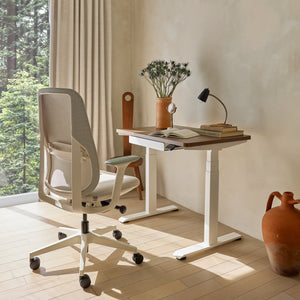
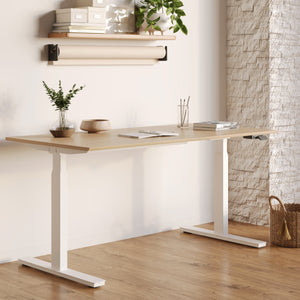
Cabinet height should be planned alongside the desk. When the desk surface, chair, and file storage work together, the room feels more coordinated. Pairing storage decisions with adjustable office desks helps keep the workstation focused on comfort, movement, and usable surface area.

Tall Vertical Cabinets for Narrow Rooms With Higher File Volume

A vertical filing cabinet can make sense when floor width is limited but more storage is needed. It uses wall height rather than floor width, which may help in a compact office that has a narrow open corner. This can be useful for small business paperwork or shared files that need to stay in one place.

The tradeoff is visual weight. A tall cabinet can make a small room feel tighter, especially if it sits near the entrance, blocks natural light, or rises above the main furniture line. Tall storage works best when the room has enough wall space and the cabinet does not interrupt sightlines.

Lateral Cabinets for Wider Small Offices

Lateral filing cabinets are wider and often easier to browse from side to side, but they need more horizontal wall space. In a compact office with a broad open wall, a lateral cabinet may work. In a bedroom corner or apartment workstation, it often feels too wide.

The drawer clearance also matters. A lateral drawer that opens into a chair path, bed edge, hallway, or desk leg can become frustrating. Width is only an advantage when the room can support it.

How to Measure a Small Workspace Before Choosing a Filing Cabinet

Measuring prevents the most common filing cabinet problems. The goal is not just to find a cabinet that fits. The goal is to preserve the daily rhythm of sitting, reaching, opening drawers, and moving through the room.

Measure the Closed Footprint and the Open Drawer

Start with the cabinet footprint, then measure the drawer fully open. A cabinet that appears compact when closed can require much more room during use.

Use this sequence before choosing a size:

1. Measure the floor width where the cabinet may sit.

2. Measure the depth from the wall to the nearest walking path.

3. Add the space needed for the drawer to open fully.

4. Confirm the chair can still pull out, swivel, and roll if needed.

5. Check nearby doors, closets, outlets, vents, and baseboards.

6. Look at the cabinet height in relation to the desk and window line.

The open-drawer measurement is especially important in small rooms because it reveals how the cabinet behaves during real use.

Plan Around the Chair First

The chair is the moving center of the workspace. If the cabinet crowds the chair, blocks the user from standing, or forces awkward posture, it is too large for that placement. Clear chair movement is not optional. It affects comfort, workflow, and how often the storage actually gets used.

A filing cabinet should support the seated work zone rather than compete with it. Planning storage alongside ergonomic office seating helps keep the desk area open enough for natural movement.

Protect Light, Outlets, and Room Flow

Small workspaces often rely on limited natural light and carefully placed power sources. A cabinet that blocks a window, outlet, vent, or lamp location can create daily inconvenience. Height and depth matter here. A lower cabinet may preserve light and access, while a deeper cabinet may push cords or furniture into uncomfortable positions.

Placement should also respect how people enter the room. A cabinet near a doorway can make the office feel tight before anyone even sits down.

Filing Cabinet Size by Workspace Type

Different small spaces need different filing strategies. The best cabinet size reflects the role of the room, the volume of paper, and how visible the workspace is when not in use.

Apartment Work Corners Need Compact Closed Storage

Apartment work corners usually benefit from small closed storage. The office may be part of a living room, dining area, hallway niche, or bedroom wall. In these spaces, a two-drawer or compact mobile cabinet often makes the most sense because it hides paperwork without adding too much visual weight.

The cabinet should hold current files, receipts, stationery, folders, and small office tools. Anything rarely used should move elsewhere. This keeps the work corner efficient without turning the apartment into a storage room.

Bedroom Offices Need Quiet Visual Profiles

A bedroom office has to support work without disrupting rest. Large filing cabinets can make the room feel too office-heavy, especially when placed near the bed. Low, simple storage tends to feel calmer because it stays below the main sightline.

A small cabinet near the desk or closet can keep work materials out of view after hours. This separation helps the bedroom feel less cluttered, even when the workspace is part of daily life.

Studio Workspaces Need Furniture That Blends Together

In a studio, every piece is visible. A filing cabinet should align with the broader furniture plan rather than look like an isolated office object. A low cabinet beside the desk, a narrow cabinet near the wall, or a mobile cabinet tucked into a defined work zone can keep the space cohesive.

The goal is to maintain clear sightlines. A tall or bulky cabinet may provide storage, but it can visually divide the room in a way that makes the studio feel smaller.

Small Business Offices Need Scalable Storage

Small business offices may have more paperwork than home workspaces. Invoices, vendor documents, client files, HR forms, manuals, and tax records require a more intentional system. Still, one oversized cabinet is not always the best answer.

A better approach may be to separate active files from archive files. Active files can stay near workstations, while less-used records can sit in a secondary cabinet or storage zone. Teams planning compact offices with desks, chairs, and accessories can benefit from coordinated modern ergonomic workspace furniture that supports both storage and movement.

Filing Cabinet Style Comparison for Small Rooms

Filing Cabinet Style Best Small-Space Use Main Advantage Watch-Out
Compact two-drawer cabinet Everyday paperwork and supplies Balanced storage without excess bulk May not hold deep archives
Mobile file cabinet Multipurpose rooms and flexible layouts Can move as the room changes Still needs clear floor space
Low desk-side cabinet Active files near the work surface Easy access during focused work Can crowd legroom if poorly placed
Tall vertical cabinet Higher file volume in a narrow footprint Uses height instead of width Can feel visually heavy
Lateral cabinet Wider rooms or shared filing Broad drawer access Often too wide for tight corners
Open shelf or file box Very light paper storage Minimal footprint Can look cluttered quickly


Why Maximum Capacity Is Not Always Better

Small workspaces reward precision. Extra storage may sound useful, but unused capacity takes up real space. A cabinet that is larger than necessary can reduce desk comfort, block movement, and invite clutter because there is always another empty drawer to fill.

Right-sized storage encourages better habits. It creates enough room for important files while making it easier to notice when old paperwork should be removed, scanned, archived, or discarded according to personal record-keeping needs.

When a Smaller Organizer May Be Enough

A filing cabinet is not always necessary. Someone with only a few documents may be better served by a desktop file box, drawer insert, or small folder system. A cabinet becomes useful when papers need to be separated, protected, accessed regularly, or hidden from view.

The decision should be based on real use, not the idea that every workspace automatically needs a filing cabinet.

What Should Go Inside a Small Filing Cabinet?

A small filing cabinet works best when every drawer has a purpose. Without a system, even a compact cabinet can become a junk drawer with folders, cords, notebooks, and loose paper mixed together.

The Top Drawer Should Hold Active Documents

The top drawer is the easiest to access, so it should hold the documents that matter most during regular work. This may include current project folders, invoices waiting to be paid, tax forms, contracts, client notes, forms needing signatures, or household records used often.

Active files should be labeled clearly. A simple label system reduces searching and prevents papers from returning to the desktop.

The Lower Drawer Should Support the Workday

The lower drawer can hold secondary files and supplies. Good candidates include reference folders, warranties, manuals, spare folders, envelopes, labels, notebooks, chargers, or small tools used for office tasks.

This drawer should not become unlimited storage. If supplies overflow, the issue may be purchasing habits rather than cabinet size.

Archive Files Should Move Out of the Prime Zone

Rarely used documents should not control the size of a small-workspace filing cabinet. Old records, closed projects, expired paperwork, and long-term archives can often be stored outside the immediate desk area.

This separation keeps the workspace focused. The cabinet near the desk should support current work, not every paper category in the home or office.

A Simple Category System Keeps Drawers Usable

A compact filing system can be organized into four practical groups:

  • Action files: documents requiring payment, signature, review, response, or follow-up.

  • Reference files: materials used occasionally, such as guides, notes, or project information.

  • Records: tax, lease, legal, financial, warranty, or policy documents.

  • Supplies: folders, labels, notebooks, envelopes, chargers, and small office tools.

These categories help prevent the cabinet from becoming a mixed storage bin.

How Filing Cabinet Size Connects With Desks, Accessories, and Lighting

A filing cabinet does not work alone. Its size should relate to the desk, chair, lighting, laptop setup, and surrounding furniture. In a small workspace, each object affects the others.

Better Desktop Organization Can Reduce Storage Pressure

A crowded desk often makes people think they need a larger cabinet. Sometimes the real issue is that the desk surface is doing too many jobs. Lifting a laptop to a more organized position with a lightweight laptop stand can free surface space for writing, sorting, or reviewing documents.

When the desk works better, the filing cabinet can stay smaller. Storage should solve paper organization, not compensate for an overloaded work surface.

Task Lighting Helps Compact Storage Feel Intentional

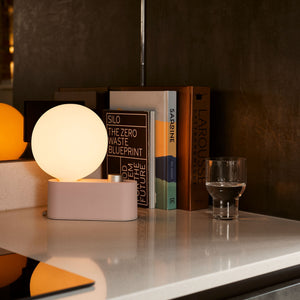
A cabinet placed beside a desk can create a darker corner if the workspace is already tight. Good lighting keeps the area usable and visually balanced. A multi-use LED lamp can support compact work zones where lighting needs to work around limited surfaces and nearby furniture.

Lighting also affects whether a cabinet feels like part of the room or just another object tucked into a corner.

Softer Light Can Help Shared Rooms Feel Less Office-Like

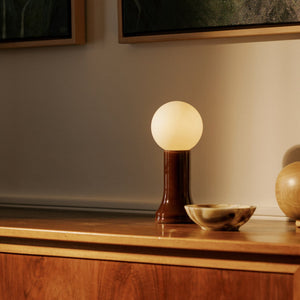
In bedrooms and living rooms, lighting can soften the presence of filing storage. A small office corner does not need to feel corporate. A recycled glass table lamp can support a warmer, more residential feeling when the filing cabinet sits near furniture used outside work hours.

The goal is not to hide the workspace completely. It is to make the office zone feel compatible with the rest of the room.

Common Filing Cabinet Sizing Mistakes in Small Offices

Most filing cabinet problems come from choosing storage in isolation. The cabinet may look useful on its own, but the room decides whether it truly works.

Buying for Lifetime Paper Storage

Choosing a cabinet based on every document owned usually leads to oversizing. Small workspaces need active storage first. Deep archive storage can be handled separately, especially when old files are rarely opened.

Forgetting Drawer Clearance

Drawer clearance is easy to overlook. A cabinet may look perfect until the drawer hits a bed, chair base, desk leg, closet door, or wall. If the drawer cannot open comfortably, the cabinet will be frustrating no matter how much it can hold.

Blocking Outlets or Natural Light

Cabinets placed without considering outlets, vents, and windows can create practical problems. A tall cabinet near a window may reduce light. A deep cabinet near an outlet may make plugs hard to reach. A cabinet over a vent may affect airflow. These issues are not about style. They affect daily comfort.

Choosing a Cabinet That Overpowers the Desk

The cabinet should feel proportional to the desk. If the cabinet visually outweighs the workstation, the room can feel storage-led rather than work-led. In small spaces, lower profiles and clean placement often feel more balanced.

A Practical Decision Framework for Filing Cabinet Size

A good filing cabinet decision follows a clear sequence: file volume first, room function second, cabinet style third. This keeps the purchase grounded in real needs.

Match File Volume to Cabinet Type

For minimal paperwork, a small file box or single drawer may be enough. For moderate active paperwork, a compact two-drawer cabinet is usually the most balanced choice. For higher business paperwork, a vertical cabinet or multiple compact storage points may work better. For shared filing, a lateral cabinet can be useful only when the room has enough width and drawer clearance.

Choose Closed Storage for Visible Workspaces

If the workspace is visible from a living area, dining area, or bedroom, closed storage usually makes more sense than open shelving. It keeps documents hidden and helps the room reset visually when work ends.

Choose Mobility for Multipurpose Rooms

A mobile cabinet can support rooms that change function. It is especially useful when the workspace needs to shift between work, rest, guests, hobbies, or household routines. The cabinet size should still be compact enough to move without disrupting the room.

Choose Height Based on Visual Weight

Tall cabinets are useful when file volume is high and floor width is limited. Low cabinets are often better when the room already feels narrow, busy, or visually full. The best height is the one that supports storage without making the workspace feel compressed.

Right-Sized Filing Storage Creates a Small Workspace That Works Harder

The most sensible filing cabinet size for a small workspace is usually compact, accessible, and proportional to the desk zone. For many homes and small offices, that means a two-drawer, low-profile, or mobile cabinet that holds active files without crowding the chair, blocking drawers, or dominating the room.

A filing cabinet should make work easier. It should keep important documents close, reduce visual clutter, and support the rhythm of the room. When storage is sized around real paperwork, clear movement, and the surrounding furniture, even a small workspace can feel organized, calm, and complete.

Previous article How to Match a Filing Cabinet with Your Desk for a Cleaner Office Look

Leave a comment

* Required fields

Get 10% off your first order

Find the office furniture that’s designed to match your style, comfort, and needs perfectly. Subscribe

My Office

You have unlocked free shipping!

You're saving $29 and unlocked free shipping!


Your cart is empty.
Start Shopping

Contact Us