



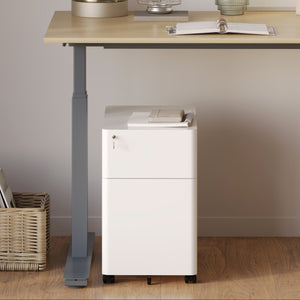






















Filing Cabinet Choices for Cleaner Workstation Planning
Cleaner workstation planning starts with filing storage that matches the desk, document volume, security needs, and daily workflow. Explore how cab...
Learn more
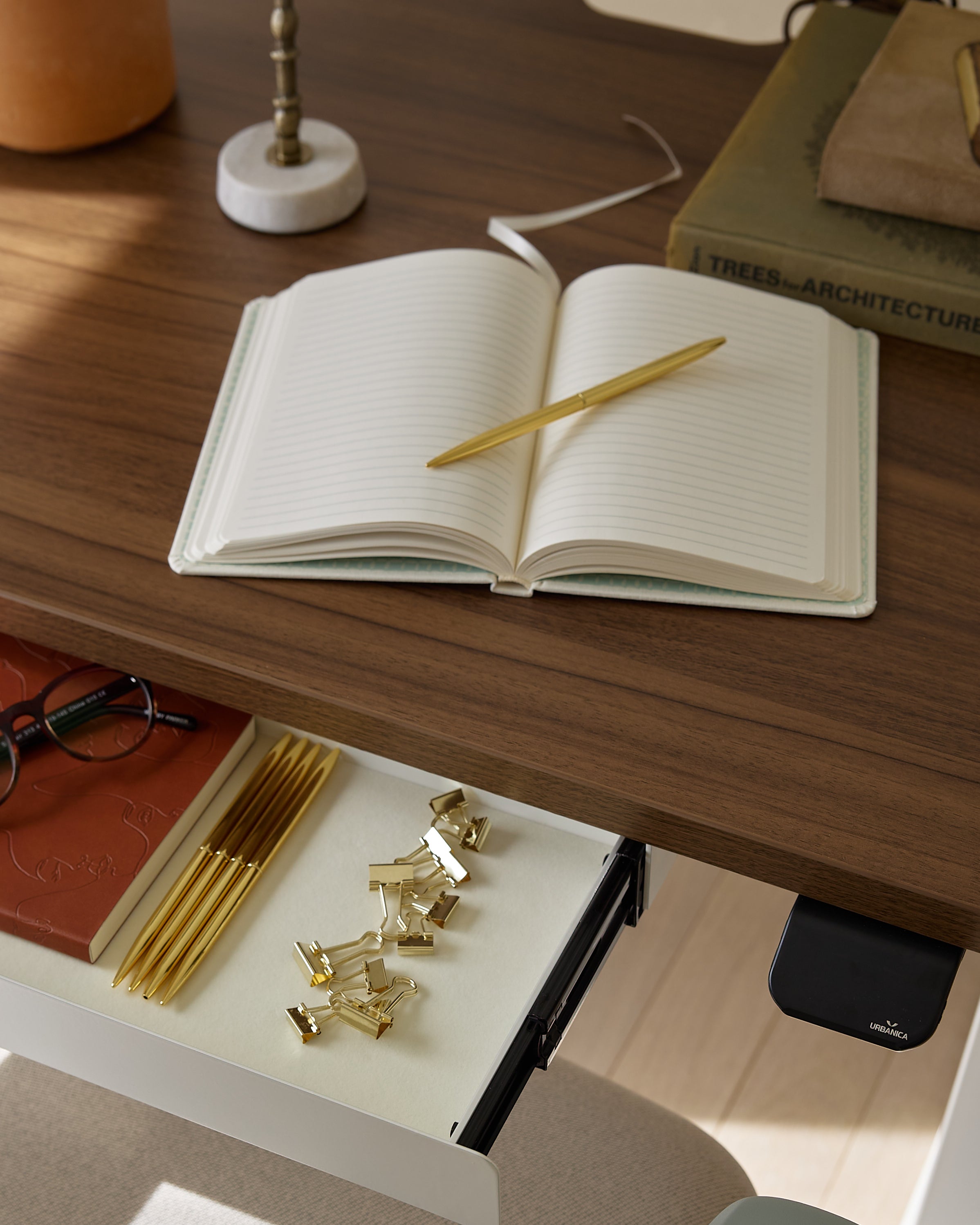
Visit quiz page to see how we makes it easy to create an inspiring workplace


Your desk setup does more than support your work. It quietly shapes how you feel throughout the day. A cluttered surface, uncomfortable posture, or poorly arranged workspace can increase stress, fatigue, and irritability without you even noticing. On the other hand, a desk that feels balanced and supportive can create calm, motivation, and emotional steadiness. The science behind workspace design shows that mood is deeply connected to environment. Small changes in your setup can improve not just productivity, but overall wellbeing.
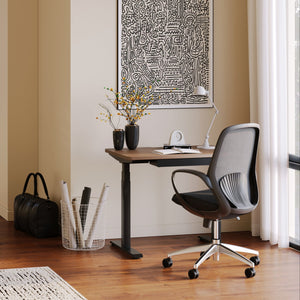
A strong foundation like an Office Table California workspace helps create an intentional space where comfort and emotional balance can grow.
Most people think mood comes only from internal factors like stress or motivation. But psychology and ergonomics research shows that surroundings strongly influence emotional state. Your brain constantly reacts to what you see, how your body feels, and how easily you can move through tasks.
A workspace affects mood through:
physical comfort
visual organization
lighting and posture
sense of control
reduced daily friction
When the desk setup works smoothly, the mind feels smoother too.
Even when you are focused, your brain continues scanning your environment. Clutter creates extra stimulation, which increases cognitive load.
piles of unfinished papers
tangled charging cords
too many accessories
random personal items
keep one clear working zone
remove anything not used daily
store papers vertically instead of stacking
reset your desk each evening
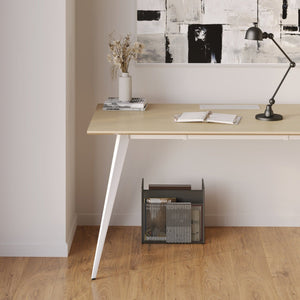
A clean desk gives the mind a sense of order.
fewer distractions
reduced overwhelm
easier transitions between tasks
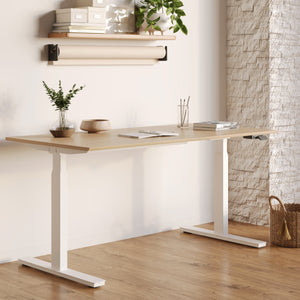
A stable office desk provides the physical foundation for this calm structure.
Extended sitting reduces circulation, which contributes to sluggishness and mental fatigue.
boosts alertness
reduces muscle tension
helps regulate stress hormones
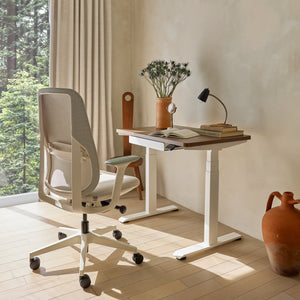
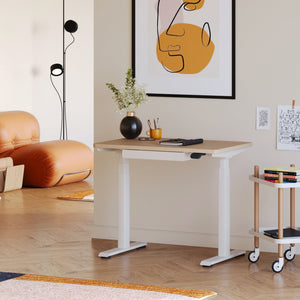
A flexible standing desk supports posture shifts that refresh both body and mind.
stand during calls or brainstorming
switch positions every 60–90 minutes
stretch between tasks
avoid rigid all-day sitting
Poor posture often leads to irritability and reduced patience.
neck and shoulder tightness
headaches after screen time
restlessness during work
low energy in the afternoon
Workspace furniture is not just about aesthetics. It affects health outcomes over time.
Research such as office furniture judgment and ergonomics highlights how thoughtful furniture decisions support safety, comfort, and performance. Poor furniture choices often lead to strain, fatigue, and increased stress over months or years.
Furniture is not neutral. It either supports your wellbeing or slowly drains it.
When your monitor sits too low or off-center, your body compensates, creating tension.
improved posture
reduced eye strain
calmer focus
A flexible monitor arm allows better screen positioning while freeing desk space.
keep monitor at eye level
maintain arm’s length distance
reduce glare from windows
avoid visual clutter around the screen
When everything is placed intentionally, your mind feels less chaotic.
center zone: active work
side zone: writing or planning
drawer zone: supplies
Mood is harder to maintain when the body feels unsupported. A chair that causes discomfort leads to constant shifting, shorter focus sessions, and increased fatigue.
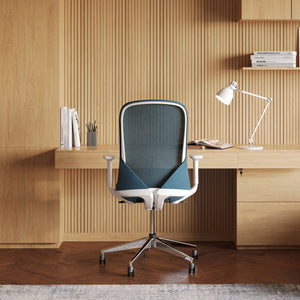
A supportive office chair helps stabilize posture, which stabilizes mood over long workdays.
Comfort is not indulgence. It is emotional support through design.
|
Desk Element |
Mood Benefit |
Why It Helps |
|
Clear surface |
Calmness |
Less visual overload |
|
Standing option |
Energy boost |
Encourages movement |
|
Supportive chair |
Emotional stability |
Reduces discomfort stress |
|
Raised monitor |
Mental ease |
Less strain and fatigue |
|
Organized layout |
Sense of control |
Fewer interruptions |
When you constantly search for tools or shift clutter, your brain stays slightly tense.
losing small items
papers piling up
cords taking over space
no clear storage system
assign every item a home
clear surfaces weekly
keep daily tools within reach
store extras out of sight
A workspace should feel supportive, not demanding.
open and breathable
easy to reset
comfortable to sit at
predictable and calm
Over time, your desk setup becomes more than furniture. It becomes a cue. A messy desk can trigger stress before you even begin. A calm setup can signal readiness and ease.
Simple rituals help reinforce positive mood:
clearing the surface each morning
adjusting posture before starting
setting one priority task first
The workspace becomes part of an emotional routine.
A better mood often begins with a better setup.
clear clutter from the surface
simplify what you see daily
support posture with better seating
add movement through standing options
align monitor height correctly
create organized desk zones
reduce daily friction with storage habits
reset the desk at the end of each day
Your desk is not just a place to work. It is an emotional environment. When it supports comfort and clarity, your mood becomes lighter, your focus becomes easier, and your workday feels healthier overall.


You have unlocked free shipping!
You're saving $29 and unlocked free shipping!
Leave a comment