



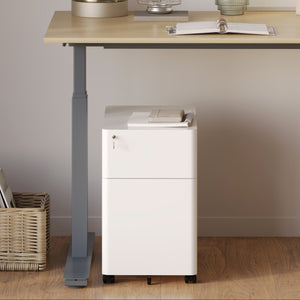






















Filing Cabinet Choices for Cleaner Workstation Planning
Cleaner workstation planning starts with filing storage that matches the desk, document volume, security needs, and daily workflow. Explore how cab...
Learn more
Visit quiz page to see how we makes it easy to create an inspiring workplace


Looking professional and feeling comfortable should go hand in hand. Yet many people struggle with eye fatigue during long work hours without realizing how their workspace contributes to the issue. Lighting, posture, screen placement, and even the way your desk is arranged all influence how your eyes and body feel throughout the day. With small design adjustments and ergonomic awareness, you can reduce strain while maintaining a polished and confident appearance in any work setting.
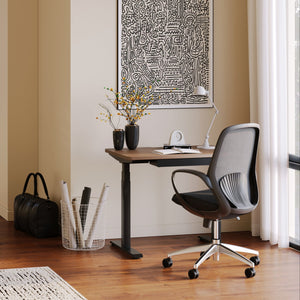
Your main surface is the visual center of your workspace. A balanced Office Table Los Angeles setup signals professionalism and helps keep your eyes relaxed by reducing visual clutter.
It shapes first impressions during video calls.
It influences how your eyes process visual information.
It helps create a calm, focused environment.
A clean desk supports both clarity and confidence.
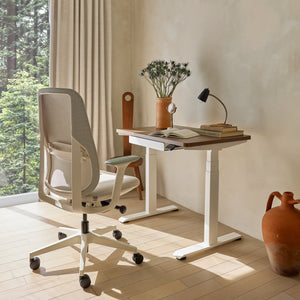
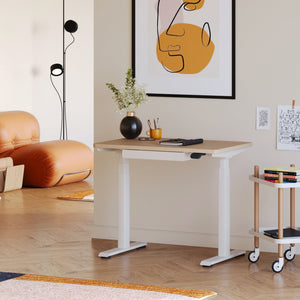
Standing for short periods gives your eyes a break. Subtle changes in height and posture shift your viewing angle, helping reduce tension around the eyes. A functional standing desk brings healthy variety into your day.
Encourages gentle posture changes.
Prevents stiffness that affects eye position.
Helps your eyes refocus naturally.
Changing your position is also a simple way to appear more alert and energized on camera.
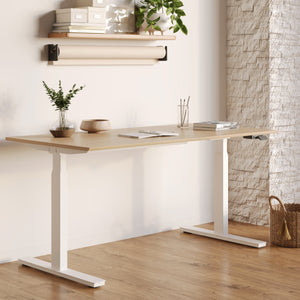
A cluttered or poorly arranged desk affects how your eyes move throughout the day. A well organized office desk reduces unnecessary scanning and helps you maintain a professional appearance during meetings.
Keep commonly used tools within natural reach.
Avoid bright or overly busy items in your direct line of sight.
Store extra accessories to reduce visual noise.
Your eyes work best when your surface is intentionally arranged.
Eye fatigue often comes from strain caused by screen height, distance, or posture. A short ergonomic study explains how proper workstation setup supports long term visual comfort.
Position your screen at eye level.
Keep an arm’s length distance between your eyes and monitor.
Adjust your screen brightness based on room lighting.
Small ergonomic adjustments make a noticeable difference.
When your arms lack support, your shoulders lift slightly. This changes your head posture, causing your eyes to strain more than necessary. An adjustable Ergonomic Arm helps keep your upper body stabilized.
Keeps your shoulders relaxed.
Supports a neutral head position.
Reduces forward leaning that strains the eyes.
Upper body balance directly supports visual comfort.
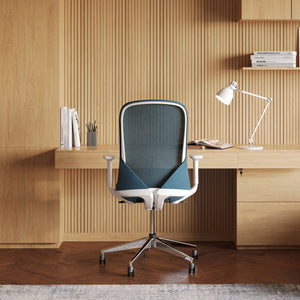
Your chair affects the angle at which you view your screen. A supportive ergonomic chair helps you sit upright without forcing your neck forward. This improves both your professional appearance and your long term eye comfort.
Encourages stable posture.
Aligns your gaze naturally with your screen.
Reduces the need for excessive adjusting.
Good seating supports a polished and comfortable look.

|
Cause of Eye Fatigue |
Why It Happens |
Simple Solution |
|
Screen too bright |
High contrast |
Adjust screen brightness |
|
Glare from lighting |
Harsh reflections |
Use warm, soft lighting |
|
Leaning forward |
Poor seating posture |
Adjust seat and screen height |
|
Overuse without breaks |
Continuous staring |
Follow the 20-20-20 rule |
|
Screen too low |
Neck bending |
Raise screen to eye level |
|
Cluttered desk |
Visual overload |
Keep layout minimal |
Proper lighting enhances your on-camera presence and reduces eye strain. Harsh lighting makes you look tired, while balanced lighting softens facial shadows and relaxes your eyes.
Use natural light when possible.
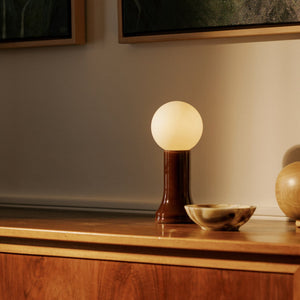
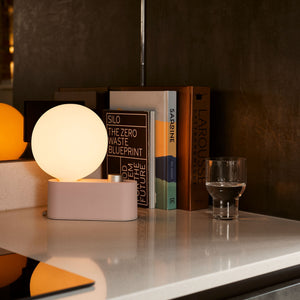
Add a soft desk lamp for warmth.
Avoid sitting with bright light directly behind you.
Balanced lighting makes you look fresh and attentive.
Glare is one of the biggest contributors to daily eye fatigue. It forces your eyes to adjust constantly, making tasks feel more tiring.
Tilt your screen slightly downward.
Position your desk perpendicular to windows.
Use matte screen protectors if needed.
Even small changes in screen positioning help ease eye strain.
Your background, wall colors, and desk décor all affect eye comfort and how polished your workspace appears. A calm visual environment helps you look organized and enhances your credibility.
Choose neutral or muted backgrounds.
Keep shelves tidy and minimal.
Use subtle décor instead of busy patterns.
A clean aesthetic reduces visual stress.
Eye Comfort Checklist
Screen at eye level
Warm, balanced lighting
Minimal glare on the monitor
Neutral background for video calls
Arm support to reduce neck strain
Upright posture with aligned chair
Surface layout free of clutter
Regular movement breaks
Natural light when available
Adjusted screen brightness
When your eyes feel relaxed, it shows. You appear more present, confident, and focused in meetings. Good posture, proper lighting, and aligned viewing angles naturally enhance your professional appearance.
Sharper focus
Better mood
Smoother communication
Stronger confidence
Comfort and professionalism go hand in hand.
Reducing eye fatigue is not complex. It comes from minor adjustments that you can incorporate throughout the day. Aligning your seating, supporting your arms, optimizing lighting, and organizing your surface help your eyes relax while enhancing your work presence.
A more polished appearance
Calmer, more comfortable eyes
Better energy throughout the day
Improved clarity and communication
Simple habits lead to meaningful improvements.

Looking professional and reducing eye strain happens naturally when your workspace supports your body. With thoughtful ergonomic choices, intentional lighting, and simple daily habits, you create a space that protects your eyes and elevates how you present yourself. Your workspace becomes a place where comfort and polished professionalism work together.


You have unlocked free shipping!
You're saving $29 and unlocked free shipping!
Leave a comment