



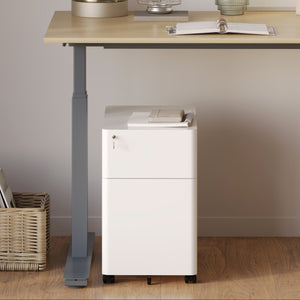






















Filing Cabinet Choices for Cleaner Workstation Planning
Cleaner workstation planning starts with filing storage that matches the desk, document volume, security needs, and daily workflow. Explore how cab...
Learn more
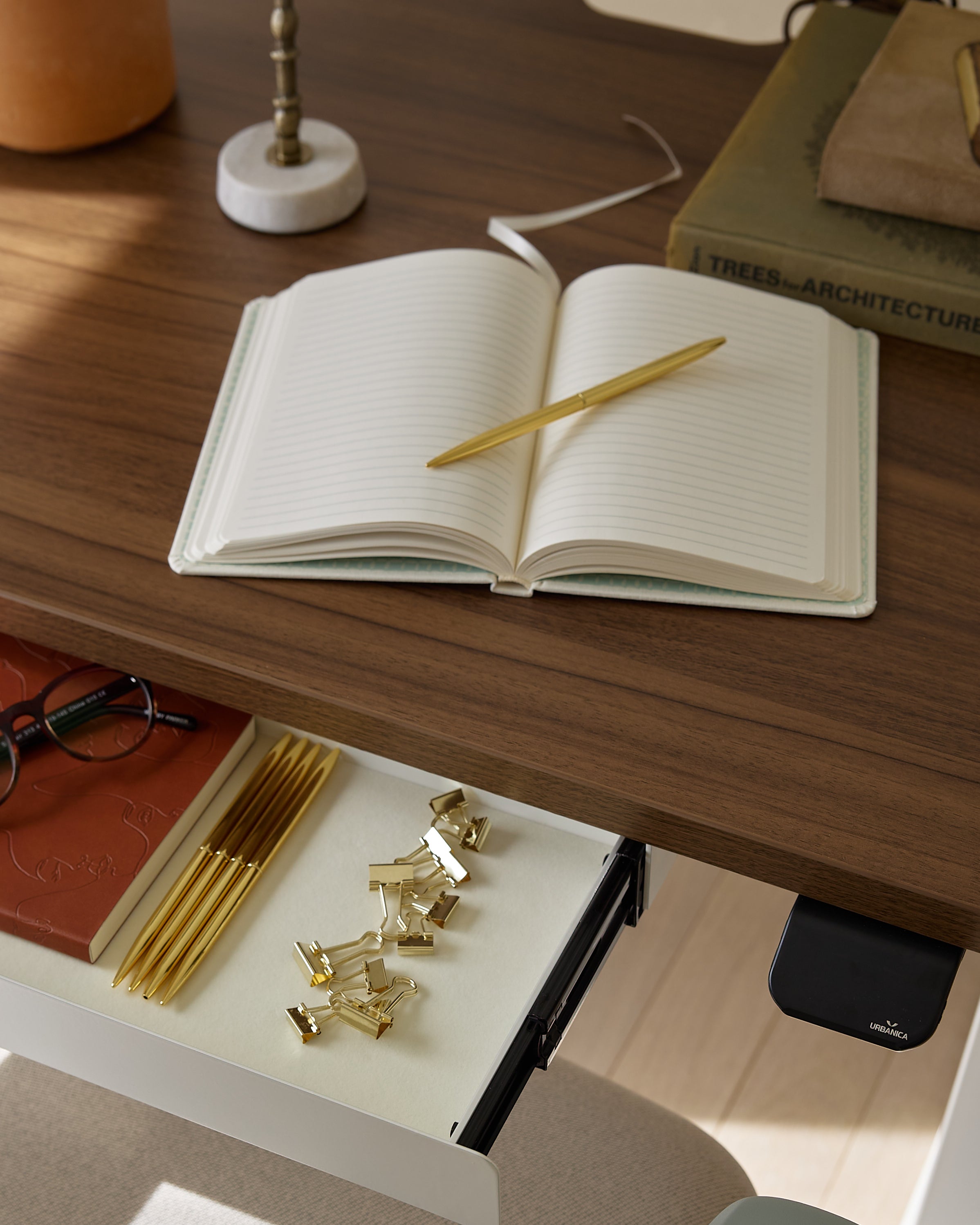
Visit quiz page to see how we makes it easy to create an inspiring workplace


Furniture plays a major role in the comfort and productivity of a workspace. Desks, chairs, and accessories are used daily, often for many hours at a time. Because of this constant use, many people assume furniture will naturally wear out quickly. However, the lifespan of furniture is not determined only by its materials. Daily habits, maintenance, and workspace setup can significantly extend how long furniture stays functional and attractive.
A desk that is properly maintained can last many years beyond its expected lifespan. A well-adjusted chair can maintain its support longer when used correctly. Even small adjustments such as cleaning surfaces regularly, maintaining hardware, and organizing cables can protect furniture from unnecessary stress.
Taking care of furniture is not complicated. With the right habits and thoughtful workspace management, you can keep your workspace reliable, comfortable, and professional for years to come.
The longevity of workspace furniture begins with the quality of the pieces themselves. Strong construction, durable materials, and stable design all contribute to furniture that can handle years of daily use.
Investing in reliable Office Furniture Los Angeles options ensures your workspace begins with a solid foundation. High-quality desks and chairs are designed to support long-term use without losing stability or comfort.
Quality furniture typically provides:
Strong structural frames
Durable surfaces resistant to scratches
Smooth adjustment mechanisms
Consistent ergonomic support
Choosing well-built furniture reduces the likelihood of frequent replacements and protects your investment over time.
Many modern desks and chairs include adjustable features designed to improve comfort and ergonomics. However, these features should be used correctly to prevent unnecessary strain on components.
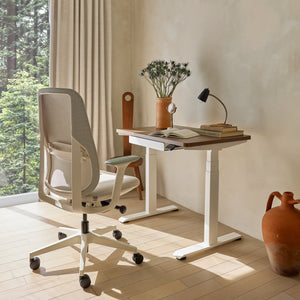
An adjustable standing desk allows you to alternate between sitting and standing. Always use smooth adjustments rather than forcing the mechanism quickly.
Proper adjustments help prevent:
Motor strain
Uneven pressure on desk components
Long-term mechanical wear
Keep equipment evenly distributed on the desk surface. Uneven weight can cause stress on moving components and reduce overall durability.
Using adjustable features properly protects the lifespan of your furniture.
Desk surfaces experience constant use from keyboards, notebooks, and office equipment. Protecting these surfaces helps preserve their appearance and durability.
A durable office desk should remain clean and organized to prevent scratches or pressure marks.
Helpful habits include:
Using desk mats when necessary
Avoiding sharp objects on surfaces
Keeping heavy equipment stable
Dust, spills, and debris can damage finishes over time. Wiping the surface with appropriate cleaning materials prevents buildup and preserves the desk’s finish.
Regular care extends furniture lifespan significantly.
Not all furniture is designed with the same level of durability. Construction materials, joinery techniques, and manufacturing quality determine how long furniture will last.
According to insights on quality furniture, long-lasting furniture often features solid construction, strong hardware, and finishes designed to withstand regular use.
Durable furniture provides:
Structural stability
Resistance to wear and tear
Reliable long-term performance
Understanding these factors helps you make smarter purchasing and maintenance decisions.
Heavy monitors placed directly on desks can create unnecessary strain over time.
Using a monitor arm helps lift screens off the desk and distributes weight more efficiently.
Benefits include:
Reduced desk surface pressure
Improved viewing angles
Cleaner workspace layout
Always adjust monitor arms slowly and avoid sudden movements. Smooth adjustments protect both the monitor and the supporting hardware.
Proper screen placement protects both furniture and posture.
Office chairs experience some of the most intense daily use in any workspace. Maintaining seating properly can significantly extend its lifespan.
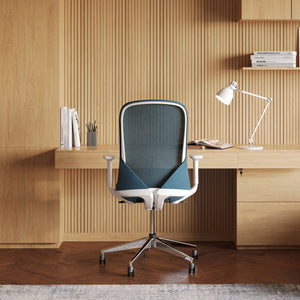
A supportive ergonomic office chair provides adjustable support designed to accommodate different sitting positions throughout the day.
To maintain chair durability:
Adjust height gradually
Avoid leaning excessively on armrests
Keep wheels free from debris
Proper chair care preserves comfort and functionality for years.
|
Habit |
Result |
Prevention |
|
Placing excessive weight on desks |
Structural strain |
Distribute equipment evenly |
|
Dragging furniture across floors |
Frame damage |
Lift when moving |
|
Ignoring loose hardware |
Structural weakening |
Tighten periodically |
|
Improper chair use |
Worn mechanisms |
Use adjustments properly |
|
Skipping cleaning |
Surface deterioration |
Clean regularly |
Recognizing these habits allows you to correct them before they cause long-term damage.
A crowded workspace increases the likelihood of accidental spills, scratches, and pressure on surfaces.
Organizing tools properly prevents unnecessary movement and reduces the chance of damaging furniture.
Helpful practices include:
Keeping frequently used items within reach
Avoiding overcrowded surfaces
Storing unused equipment away
A simple and organized workspace not only improves productivity but also protects furniture from unnecessary wear.
Clear surfaces reduce accidental damage.
Furniture benefits from occasional inspection and maintenance. Checking hardware, cleaning surfaces, and adjusting components ensures that everything continues functioning smoothly.
Maintenance habits include:
Tightening screws and bolts periodically
Cleaning adjustment mechanisms
Inspecting surfaces for early signs of wear
Routine care prevents small issues from becoming larger problems.
Consistent maintenance helps furniture remain dependable for many years.
Before finishing each workweek, take a moment to review this checklist to help extend the life of your workspace furniture.
Clean desk surfaces regularly
Avoid placing excessive weight on desks
Adjust furniture gently
Keep monitor setups balanced
Maintain organized work surfaces
Inspect hardware periodically
Use ergonomic seating properly
Avoid dragging furniture across floors
Protect surfaces from scratches
Reevaluate workspace setup occasionally
Furniture longevity depends on both quality and care. When desks, chairs, and accessories are used properly and maintained regularly, they can remain reliable for many years.
A well-maintained workspace not only protects your investment but also ensures that your environment continues supporting productivity and comfort every day.


You have unlocked free shipping!
You're saving $29 and unlocked free shipping!
Leave a comment