



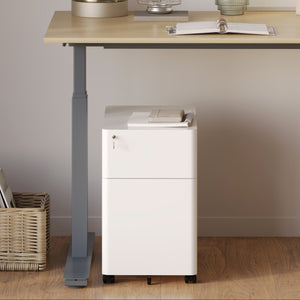






















Filing Cabinet Choices for Cleaner Workstation Planning
Cleaner workstation planning starts with filing storage that matches the desk, document volume, security needs, and daily workflow. Explore how cab...
Learn more
Visit quiz page to see how we makes it easy to create an inspiring workplace


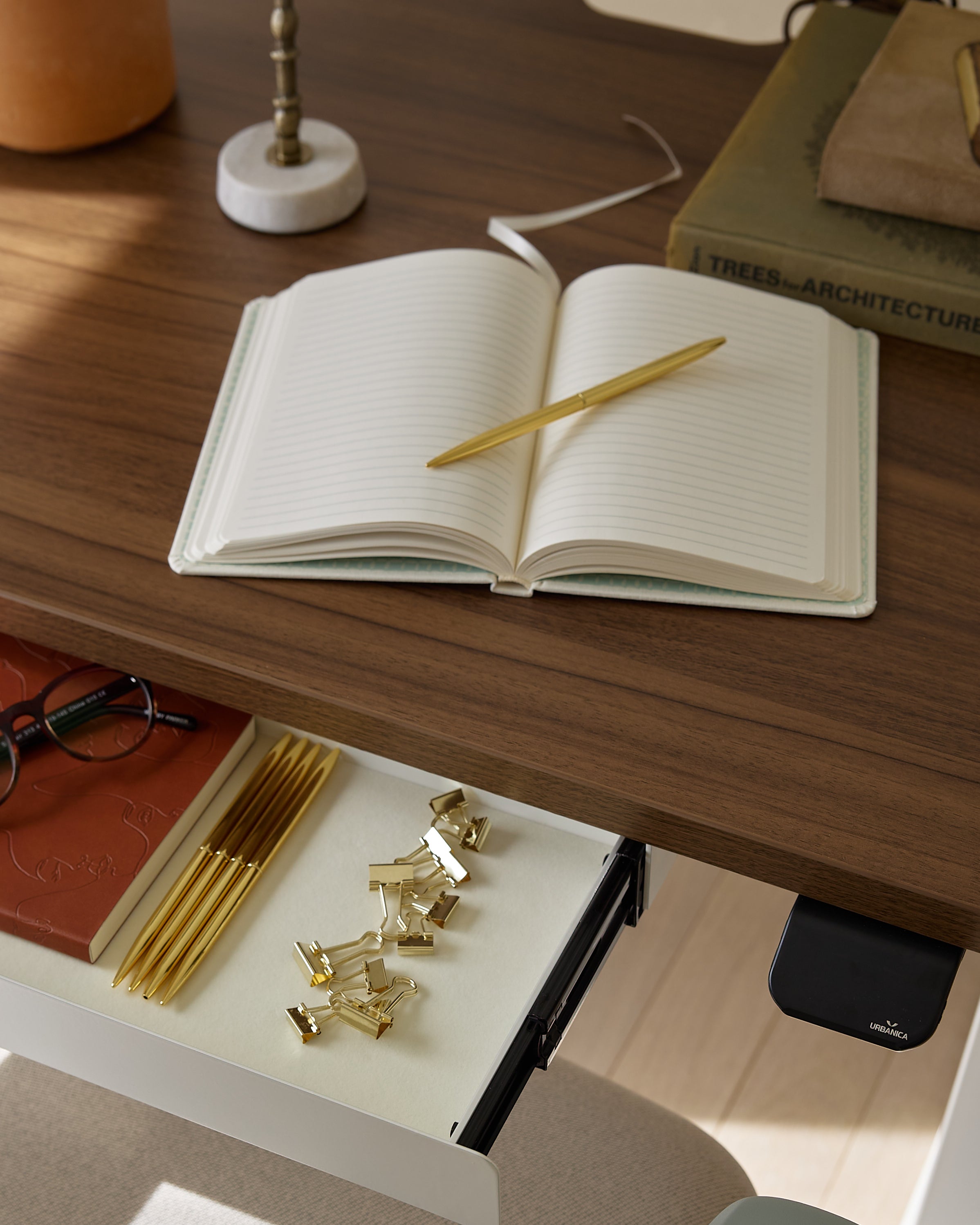
A professionally designed room rarely relies on color alone. What truly elevates a space is texture. Smooth wood paired with soft upholstery. Matte metal balanced with natural fabric. Structured desks combined with breathable seating. These subtle contrasts create depth, warmth, and visual interest.
Layering furniture textures is what separates a flat room from one that feels curated. The key is balance. When textures complement rather than compete, your home or office gains dimension without clutter. Whether designing a living space or workspace, thoughtful material combinations create a timeless, designer-level finish.
Texture influences how a room feels, not just how it looks. A glossy desk surface reflects light and feels modern. A matte wood finish adds warmth. A mesh chair introduces airflow and softness.
When planning a refined workspace, starting with a strong foundation like an Office Desk Los Angeles solution allows you to build layers intentionally. A structured desk in a clean finish becomes the anchor. From there, you add complementary textures that enhance rather than overpower.
Texture layering creates:
Visual depth
Material contrast
Subtle sophistication
Balanced atmosphere
Without it, even expensive furniture can feel unfinished.
Wood is one of the most versatile textures in interior design. It provides warmth, structure, and natural character.
Popular choices include:
Light oak for airy spaces
Walnut for richness
Ash for modern softness
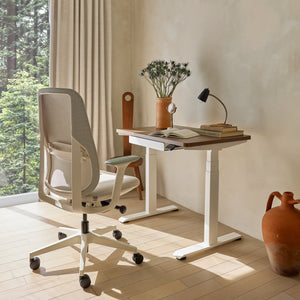
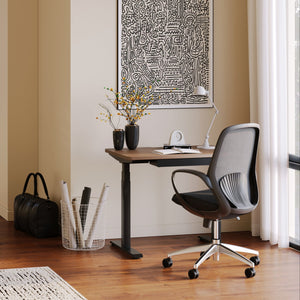
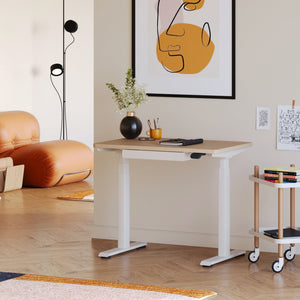
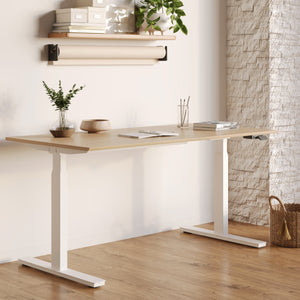
A streamlined standing desk in a refined wood finish blends ergonomic innovation with organic texture. The clean frame prevents visual heaviness while the surface introduces warmth.
Benefits of this pairing:
Functional flexibility
Natural tone balance
Contemporary structure
To allow textures to shine:
Avoid overly glossy finishes
Choose subtle grain patterns
Maintain consistent undertones
A grounded base allows layering to feel intentional rather than chaotic.
Designers often combine contrasting materials to create balance. Hard surfaces like metal or polished wood feel crisp. Soft materials like fabric or mesh introduce comfort.
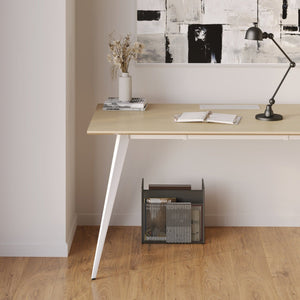
Pairing a clean-lined office desk with upholstered or breathable seating instantly creates textural depth.
Consider:
Smooth desk surfaces
Cushioned seat backs
Fabric armrests
If your desk has a matte finish, introduce a subtle metallic accent. If your chair features mesh, balance it with a solid wood surface.
The goal is harmony. Too many glossy materials feel cold. Too many soft textures feel heavy.
Minimalist interiors often rely heavily on texture to prevent rooms from feeling flat. According to insights on the rise of minimalism, modern spaces focus on quality materials rather than excessive decoration.
Instead of adding decorative clutter, layer:
Natural wood desks
Breathable seating
Subtle metal accents
Soft textiles
Texture replaces ornamentation. It adds personality without visual noise.
Ergonomic accessories should enhance, not interrupt, your design.
An adjustable monitor arm lifts screens while maintaining a clean, minimal surface. Its metal structure introduces subtle contrast against wood or laminate desks.
Advantages:
Visual lightness
Increased desk space
Structured lines
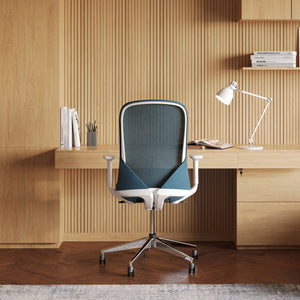
A supportive ergonomic office chair adds dimension through breathable mesh or refined upholstery. The combination of structure and softness reinforces a balanced design.
Too many materials can overwhelm.
Follow this rule:
Choose one primary texture
Add two complementary textures
Repeat materials throughout the space
Consistency keeps the design elevated.
Metal accents add sophistication, but restraint is essential. Stick to one primary metal tone such as black, brushed steel, or matte silver.
Use metal in:
Desk frames
Monitor arms
Chair bases
Repeating the same finish across elements creates continuity. Avoid mixing multiple metal tones unless carefully planned.
Metal works best as an accent, not the main feature.
|
Primary Texture |
Complementary Texture |
Effect on Space |
Best Used In |
|
Light Wood |
Black Metal |
Modern contrast |
Home office |
|
Walnut Finish |
Neutral Upholstery |
Warm sophistication |
Executive workspace |
|
Matte Laminate |
Mesh Fabric |
Clean and breathable |
Compact office setup |
|
Oak Surface |
Brushed Steel |
Balanced industrial touch |
Creative studio |
|
Soft Fabric |
Structured Frame |
Comfort with structure |
Hybrid work area |
This guide helps visualize how materials interact without overwhelming the room.
Desk accessories should enhance texture rather than clutter it.
Use:
Leather desk mats
Wooden organizers
Subtle metal trays
Plants add organic texture that softens structured furniture.
Bullet points:
Small desk plant
Textured ceramic pot
Natural fiber rug
Leave negative space between objects. Texture layering works best when each element has room to stand out.
Spacing matters as much as material choice.
Large, heavy textures can overpower small rooms. Keep proportions aligned with the space.
In compact work areas:
Choose slimmer desk frames
Opt for breathable seating
Avoid thick, bulky finishes
In larger offices:
Layer more substantial wood
Introduce heavier upholstery
Add textured rugs
Proportion ensures textures feel balanced rather than dominant.
When layering textures in open layouts or multi-functional rooms, transitions matter. A designer look does not stop at one corner. Materials should subtly connect from one area to the next.
If your workspace includes a walnut desk surface, echo that tone in:
A nearby shelving unit
A wooden picture frame
A side table in the living zone
Repeating textures creates continuity without monotony.
Strong texture contrasts work best when introduced gradually.
For example:
Move from smooth laminate to light wood
Then introduce soft upholstery
Finish with subtle metal accents
Avoid jumping from heavy industrial metal to plush fabric without an intermediary element. Gradual transitions feel curated and intentional.
Even in layered spaces, clarity matters.
Workspace: structured wood and metal
Lounge area: fabric and soft textiles
Dining area: solid wood and subtle shine
Assigning a dominant texture to each zone prevents visual confusion while still maintaining a cohesive overall design.
When transitions are handled carefully, the entire home feels connected. Texture becomes the language that ties every area together.
Before finalizing your design, review this checklist to ensure your texture layering achieves a polished look.
Start with one strong base material
Pair hard surfaces with soft elements
Keep metal finishes consistent
Add ergonomic accessories thoughtfully
Avoid excessive shine
Maintain visual spacing
Repeat textures across the room
Choose breathable seating
Let wood add warmth
Keep clutter minimal
Layering furniture textures is not about adding more pieces. It is about combining the right materials with intention. When wood, metal, fabric, and ergonomic elements work together, the result feels curated and refined.
A designer look is not complicated. It is balanced.


You have unlocked free shipping!
You're saving $29 and unlocked free shipping!
Leave a comment