









Training Your Brain to Work From Home Better

The Focus Zone Effect
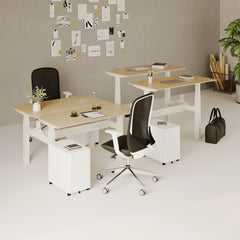
Working from home gives flexibility, but it also creates a unique challenge: your brain struggles to separate work mode from home mode. When your workspace blends into your living space, distractions increase and focus becomes harder to access. This is why “WFH zones” matter. The psychology behind zones shows that your environment trains your brain through repetition, cues, and comfort. With the right layout and furniture, you can create a home office that signals focus, supports productivity, and helps you mentally switch into deep work more easily.
A strong foundation like Office Furniture California solutions can help build these zones with intention and long-term comfort.
Why Your Brain Needs Zones to Focus
The brain thrives on context. In an office, the environment naturally signals work. At home, those signals are weaker. When you answer emails on the couch or work at the kitchen table, your brain never fully enters one mode. This leads to mental fatigue and blurred boundaries.
Zones help because they create:
-
predictable work cues
-
fewer distractions
-
emotional separation between tasks
-
stronger focus routines
Even in small spaces, one consistent zone can train your brain to focus faster.
The Psychology of Environmental Cues
Your Workspace Teaches Your Brain What to Do
Focus Is a Conditioned Response
Your brain associates places with behaviors. When you repeatedly work in one spot, your brain begins to enter focus mode more quickly there.
Examples of Workspace Conditioning
-
desk equals deep work
-
chair equals productivity
-
clutter equals stress
-
clear surfaces equal calm
Bullet Tips for Strengthening Focus Cues
-
work in the same zone daily
-
keep the setup consistent
-
avoid mixing leisure activities at the desk
-
reset the space after work
Design Reduces Cognitive Load
Research like the science of office productivity design shows that organized environments reduce mental effort. When your brain is not processing clutter or discomfort, it has more capacity for focus.
Design Choices That Support Focus
-
minimal visual noise
-
ergonomic comfort
-
clear work boundaries
Desk Placement Creates Mental Boundaries
Layout Is the First Focus Tool
Position Your Desk Away From Distractions
Facing high-traffic areas increases attention breaks.
Best Desk Placement for Focus
-
facing a wall
-
facing a window without glare
-
away from TVs or busy rooms
Bullet Tips for Better Desk Layout
-
keep the desk out of the center of the room
-
maintain a clean sightline in front of you
-
leave space behind for movement
Use a Stable Work Surface
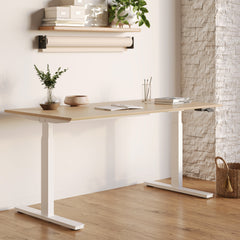
A desk becomes the anchor of your focus zone.
What a Good Desk Provides
-
enough space for essentials
-
visual simplicity
-
long-term stability
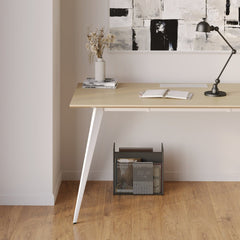
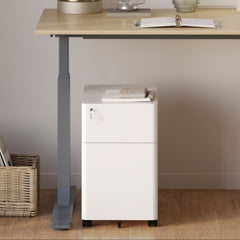
A clean office desk helps reinforce the work-only purpose of the zone.
Movement Helps the Brain Stay Engaged
Focus zones are not only about stillness. The brain needs physical refresh cycles. Movement reduces fatigue and keeps attention sharper.
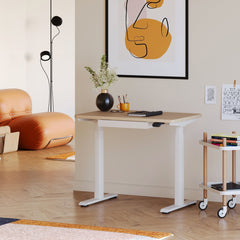
A flexible standing desk supports posture shifts that help your brain reset without leaving the workspace.
Ergonomics Strengthens Mental Endurance
Comfort Keeps Focus Sustainable
Physical Strain Becomes Mental Distraction
Discomfort quietly drains attention.
Signs Your Body Is Interrupting Focus
-
shifting constantly
-
neck or shoulder tension
-
fatigue after short sessions
-
restlessness
Bullet Tips for Ergonomic Stability
-
keep feet flat on the floor
-
align elbows with desk height
-
position screen at eye level
-
support arms naturally
Supportive Seating Reinforces the Work Zone
A consistent chair becomes part of the focus cue.
What Good Seating Supports
-
posture balance
-
longer concentration
-
reduced strain
A supportive office chair helps your brain stay focused by keeping the body steady.
Screen Setup and Desk Accessories Shape Attention
Your monitor zone is where your eyes spend most of the day. If it feels cluttered or misaligned, fatigue builds quickly.
A flexible monitor arm improves screen position while freeing space, keeping the focus zone visually calm.
WFH Zone Elements Table
|
Zone Element |
Brain Benefit |
Why It Works |
|
Dedicated desk |
Faster focus |
Strong context cue |
|
Standing option |
Mental refresh |
Movement resets attention |
|
Supportive chair |
Longer endurance |
Less discomfort distraction |
|
Screen alignment |
Visual ease |
Reduced fatigue |
|
Organized layout |
Calm mindset |
Lower cognitive load |
Daily Rituals Reinforce Focus Zones
Habits Make Zones More Powerful
Start With a Consistent Reset Routine
A clean beginning signals work mode.
Simple Morning Zone Ritual
-
clear the desk surface
-
open one priority task
-
adjust posture
-
begin without multitasking
Bullet Tips for Reinforcing Work Mode
-
avoid scrolling before starting
-
keep the same desk setup daily
-
use lighting cues to signal focus time
-
limit non-work items in the zone
End the Day With Closure
Zones work best when they also signal stopping.
End-of-Day Reset Habits
-
clear papers
-
shut down devices
-
tuck the chair in
-
step away intentionally
Small Zones Create Big Psychological Shifts
You do not need a separate room to build a focus zone. Even a corner of an apartment can train the brain when it is consistent, comfortable, and intentional.
WFH zones work because they reduce mental switching costs. The brain stops asking “Am I working or relaxing?” and begins focusing faster.
Use Sensory Signals to Strengthen Your Focus Zone
A work-from-home zone is not only visual. It is also sensory. The brain responds strongly to light, sound, and even small environmental cues. When these signals are consistent, they help train your mind to enter focus mode faster. This is why some spaces feel instantly productive while others feel distracting, even if the furniture is similar.
Sensory Cues Help the Brain Switch Modes
Lighting Becomes a Focus Trigger
Your brain associates brightness and tone with activity levels.
What Focus-Friendly Lighting Does
-
keeps you alert without harshness
-
reduces eye fatigue
-
creates a clear “worktime” atmosphere
Bullet Tips for Better Focus Lighting
-
place light beside your screen, not behind it
-
avoid strong overhead glare
-
use consistent lighting during work hours
-
shift to softer lighting after work to signal closure
Sound and Silence Shape Concentration
Noise is one of the fastest ways to break deep focus, especially at home.
Common Sound Disruptors in WFH Spaces
-
background TV
-
kitchen activity
-
loud phone notifications
-
unpredictable household noise
Bullet Tips for a Calmer Sensory Zone
-
use simple background sound if silence feels distracting
-
silence non-essential alerts
-
position your desk away from busy areas
-
keep your workspace as acoustically steady as possible
When sensory cues are aligned with your focus zone, your brain stops resisting work mode. Lighting, sound, and atmosphere become part of the conditioning process, helping you transition into deep concentration with less effort each day.
The Focus Zone Checklist
Checklist: Train Your Brain to Focus at Home
-
create one consistent work-only zone
-
keep desk placement away from distractions
-
use a stable, simple work surface
-
support posture with ergonomic seating
-
add movement options for mental refresh
-
align your screen for comfort
-
reduce clutter and visual noise
-
start and end the day with reset rituals
When your home workspace becomes a clear psychological zone, focus becomes easier, work feels lighter, and boundaries become healthier.
Related Articles
-
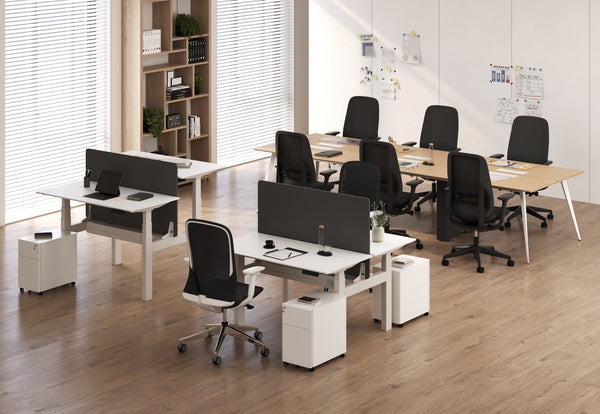 Our Conference Chairs and Meeting Tables Compared, so You Can Furnish a Huddle Room, a Meeting Room, or a Boardroom for Eight in One Order
-
 This Is How To Build A Small Home Office You Actually Want To Work From, And How To Pick Desks For Small Spaces - Urbanica Furniture's Full Guide
-
 Best Setup for Laptop and 2 Monitors With Less Neck Strain
-
 Round Meeting Table Ideas That Make Team Talks Smoother
-
 A Calm Desk Reset to Begin the Day With Clarity
-
 The 10-Minute Tidy Office


