



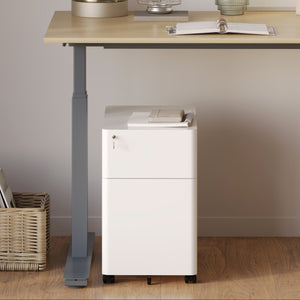






















Filing Cabinet Choices for Cleaner Workstation Planning
Cleaner workstation planning starts with filing storage that matches the desk, document volume, security needs, and daily workflow. Explore how cab...
Learn more
Visit quiz page to see how we makes it easy to create an inspiring workplace


In compact work environments, every inch matters. The right table can redefine how efficiently a space functions, influencing organization, comfort, and focus. For modern professionals balancing style and practicality, smart desk design plays a central role in transforming small rooms into effective, inspiring work zones. By choosing functional, ergonomic, and visually streamlined tables, a limited area can support both productivity and well-being.
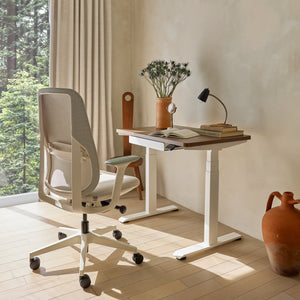
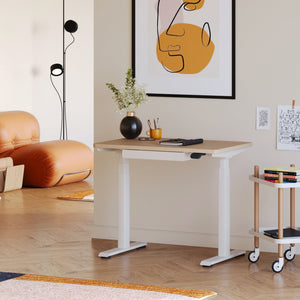
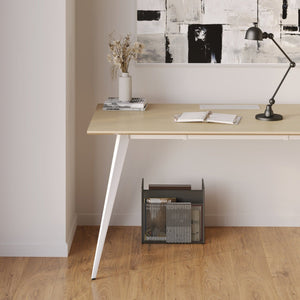
A compact desk creates order by reducing clutter and encouraging intentional use of space. The clean geometry of smaller tables opens floor areas, allowing smoother movement and better room proportion. Effective compact designs emphasize hidden drawers, slim legs, and concealed cable ports that prevent tangled cords from disrupting workflow. Products such as streamlined office desks designed for small spaces demonstrate how efficiency can be paired with elegance. Their balanced proportions help users maintain comfort without overpowering a room.
Modern compact desks often use engineered wood or powder-coated metal to achieve strength without unnecessary bulk. Rounded corners and lightweight panels make repositioning easier while maintaining a polished, professional appearance. Surfaces with durable finishes resist scratches and stains, helping the desk remain visually consistent in long-term use.
| Desk Type | Ideal Setting | Core Space Benefit | Recommended Feature |
|---|---|---|---|
| Compact Desk | Small home office | Reduced footprint | Hidden storage |
| Corner Desk | Shared studio | Uses corner space | L-shaped layout |
| Foldable Desk | Temporary setups | Portability | Collapsible frame |
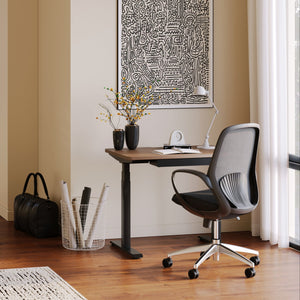
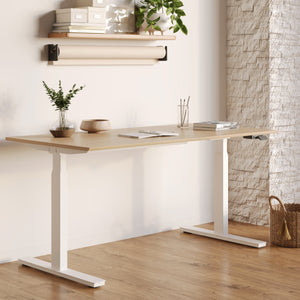
Standing desks have become essential for workers seeking flexibility and better posture. Their vertical adjustability eliminates the need for multiple furniture pieces while promoting circulation and movement. Designs like height-adjustable standing desks for home and office use combine practicality with a compact structure, fitting seamlessly into home offices, creative studios, or co-working corners. The vertical format frees wall and leg space, offering a balanced mix of form and wellness.
Healthy posture is closely linked to productivity. Proper screen height and desk level reduce strain on the neck, shoulders, and wrists. Referencing OSHA’s guidance on workspace ergonomics, maintaining an ergonomic setup improves concentration and decreases fatigue. When paired with minimal accessories, such as monitor risers or footrests, these standing configurations promote lasting comfort within limited areas.
Compact work environments benefit from supportive add-ons that sustain order and movement:
Anti-fatigue mats that encourage micro-adjustments during long sessions.
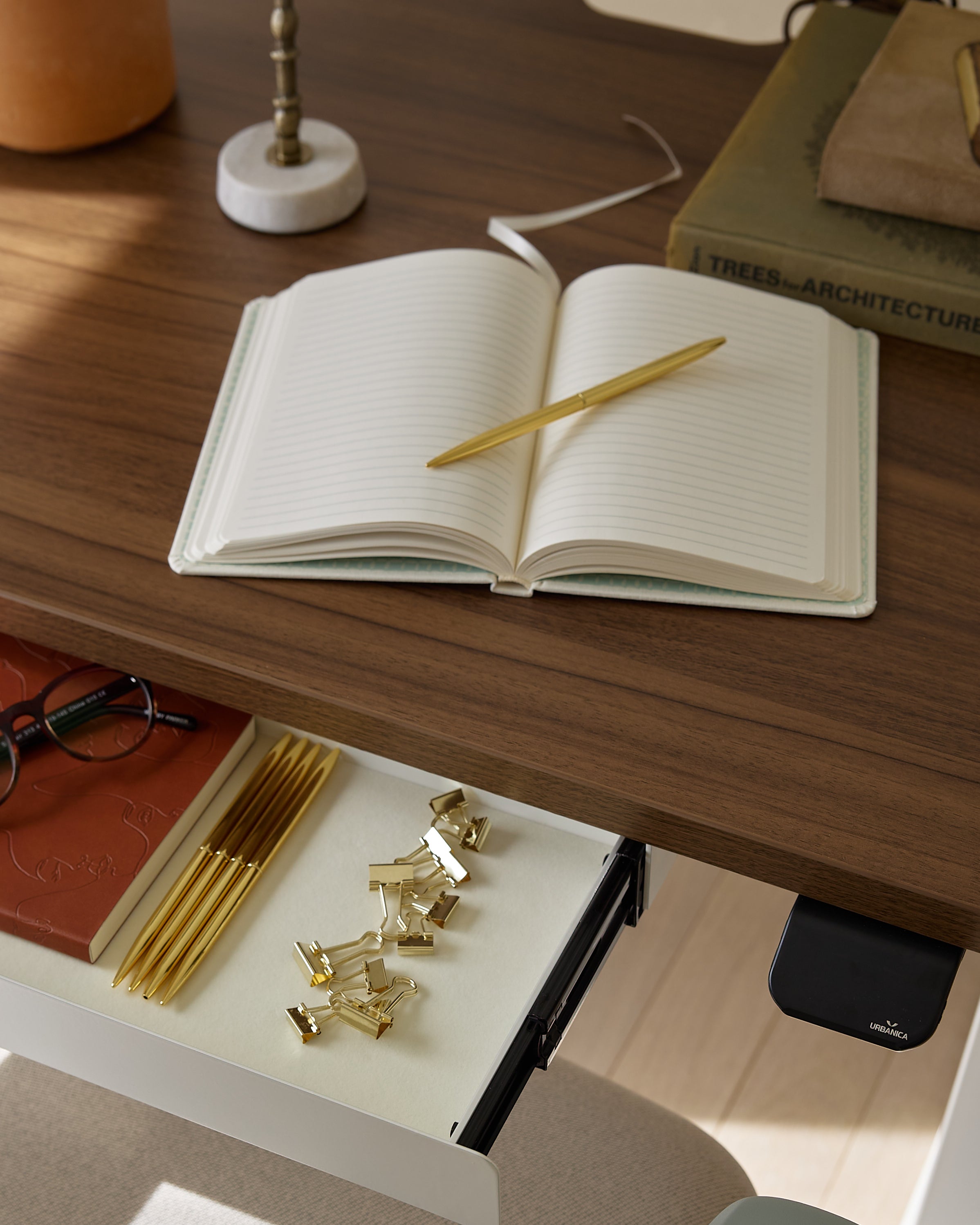
Under-desk drawers to store essentials neatly.
Mobile pedestals for easy repositioning and added flexibility.
Each addition helps maintain clean, open visual lines while expanding function.
Micro workspaces challenge designers to deliver usability in minimal square footage. The portable mini standing desks cater to freelancers, students, and mobile professionals who require adjustable surfaces without permanent installations. Their reduced width suits corners or shared rooms, and many models include wheels or folding legs for easy repositioning. This flexibility allows users to switch between work and leisure without disrupting the space’s flow.
Portability empowers users to optimize their surroundings depending on need. Compact standing models transition easily between different rooms, supporting varied working styles. The following comparison highlights distinctions between common standing desk categories:
| Model Type | Avg Width | Portability | Ideal Use |
|---|---|---|---|
| Mini Standing Desk | 24–36 in | High | Mobile or temporary work |
| Standard Standing Desk | 48–60 in | Medium | Home office |
| Dual-Monitor Standing Desk | 60+ in | Low | Creative studios |
Even small standing tables can support tidy organization. Vertical shelving, wall-mounted brackets, and rolling bins maximize capacity without crowding the floor. These small adjustments enhance usability and preserve movement flexibility.
Shared environments require desks that accommodate multiple users without clutter. Models such as dual-user standing desks with independent height controls enable two people to work comfortably in a compact footprint. Separate height adjustments let each individual maintain ergonomic alignment. The shared power channels and divided layout prevent cables and materials from overlapping, ensuring neatness even in tight quarters.
As teams expand, four-person layouts offer the structure needed for balance and privacy. Four-person workstations with integrated dividers demonstrate how design symmetry creates harmony in limited square footage. Each segment provides enough space for focused work while maintaining visual connectivity for collaboration. Built-in wiring access points streamline equipment setup and minimize clutter.
Thoughtful spatial design enhances communication. Workstations arranged in square or mirrored patterns encourage open dialogue while preserving personal space. Panels and acoustic materials reduce distractions, creating a balance between interaction and focus.
When organizations evolve, flexibility becomes key. Systems like six-person modular workstation desks allow teams to expand without relocating or replacing furniture. These desks feature linked components that can be adjusted into linear or clustered configurations. This modularity enables workplaces to evolve naturally as staffing or spatial demands change.
Adaptive tables make it easy to refresh layouts with minimal downtime. Modular systems typically integrate shared wiring, legroom optimization, and movable panels. Such designs simplify maintenance and reconfiguration.
1. Adapt quickly to team growth.
2. Maintain organized wiring for devices.
3. Allow efficient cleaning and repositioning.
4. Provide consistent spacing across users.
5. Support integration with dividers or lighting structures.
Each of these benefits contributes to long-term usability without adding unnecessary bulk.
Materials strongly affect how a workspace feels. Light-toned wood, matte laminates, and glass finishes create an airy impression even in confined rooms. Tapered edges and narrow frames reduce visual density, making the environment appear larger. Products from versatile desk collections combining design and practicality illustrate how careful use of materials enhances the illusion of openness while maintaining structural stability.
Longevity matters for both aesthetics and environmental responsibility. Engineered wood sourced responsibly, powder-coated steel, and recyclable laminates offer durability without unnecessary weight. Combining these materials allows designers to balance resilience with minimalist elegance.
| Material | Durability | Space Efficiency | Maintenance Ease |
|---|---|---|---|
| Engineered Wood | Medium | High | Low |
| Metal with Laminate Top | High | Medium | Medium |
| Glass Surface | Low | Medium | High |
The best compact tables do more than fit—they contribute to the room’s aesthetic balance. Blending neutral colors, smooth textures, and integrated storage transforms desks into focal points that support both work and visual calm.
Placement determines how efficiently a table performs in a small area. Positioning desks near windows enhances natural light, reducing the need for extra fixtures and expanding perceived space. Placing tables along walls or in corners opens walkways and prevents crowding. Maintaining minimal gap between the desk and wall also helps avoid unused space accumulation.
Corner or L-shaped designs effectively use edges that often remain neglected. They enable simultaneous use of multiple devices or documents without extending outward into the room. By choosing compact swivel chairs or mobile cabinets, movement stays fluid while maximizing available surface.
Rolling casters add flexibility to reposition desks for meetings or task changes. Vertical cable routing keeps wires tidy and out of sight, contributing to a clean, professional look. Wall-mounted storage and concealed sockets further improve accessibility.
Furniture innovation continues to focus on adaptability and ergonomic value. Many manufacturers experiment with subtle integrations such as adjustable height presets, low-energy LED accents, or built-in power ports. These thoughtful additions enhance daily function without overwhelming design simplicity. The emphasis remains on creating responsive furniture that complements human behavior rather than dominating it.
As flexible work models grow, tables that can transition between professional and domestic use have gained importance. Foldable or extendable options allow spaces to switch from work to leisure seamlessly, a quality essential for apartments or shared homes. The key lies in balance: compact designs that retain stability and visual appeal across functions.
Future workspace trends center on environmental responsibility and design longevity. Furniture constructed with recyclable materials and replaceable components ensures long service life while reducing waste. Companies focusing on timeless, modular pieces can accommodate new technologies without redesigning entire interiors. This forward approach protects both investment and ecological impact, reinforcing that durability and responsibility are central to modern compact design.
Space limitation no longer restricts creativity or comfort. With thoughtful design, adaptable furniture, and careful material selection, small work areas can perform like full-scale offices. By investing in quality tables designed for efficiency and well-being, even the most confined spaces can inspire focus, collaboration, and lasting productivity.


You have unlocked free shipping!
You're saving $29 and unlocked free shipping!
Leave a comment