








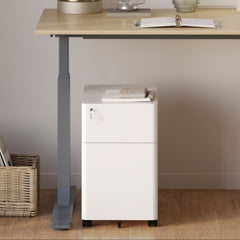


Filing Cabinet Choices for Cleaner Workstation Planning
Cleaner workstation planning starts with filing storage that matches the desk, document volume, security needs, and daily workflow. Explore how cab...
Learn more
Visit quiz page to see how we makes it easy to create an inspiring workplace


The modern workspace has evolved beyond traditional office boundaries. As professionals embrace remote and hybrid setups, furniture design has adapted to support flexibility, comfort, and style. Convertible tables are now central to this shift, offering dynamic functionality for every kind of work environment. Whether for compact apartments, shared studios, or open-plan offices, these designs balance adaptability with lasting quality, redefining how we think about productivity and space.
The rise of remote work has created demand for furniture that transitions smoothly between different tasks. Early home offices often relied on fixed desks designed for stationary use, but today’s professionals need versatility. Convertible tables offer multiple configurations, allowing a quick shift between sitting, standing, and collaborative modes. This adaptability encourages better posture, energy, and engagement throughout the workday.
Modern work culture thrives on flexibility. A single table now needs to serve as a workstation, dining area, and creative hub. Convertible furniture reflects this evolution by combining design innovation with user needs. Compact, mobile, and multifunctional designs allow spaces to transform quickly without clutter or compromise.
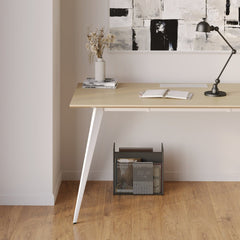
The Urbanica Desk Collection represents this adaptable mindset. Each piece in the collection is designed to suit a variety of work styles, whether minimal or collaborative. The clean aesthetics and sturdy craftsmanship establish a timeless foundation for modern productivity while maintaining the visual harmony of contemporary interiors.
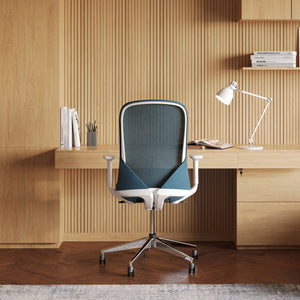
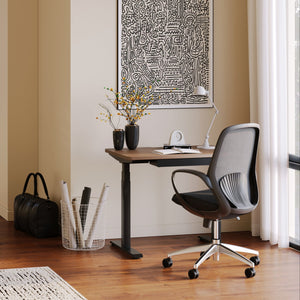
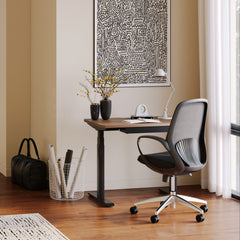
The hallmark of an exceptional convertible table lies in its ability to adjust effortlessly. Height adaptability ensures ergonomic comfort, while rotating or folding components accommodate various activities. The Urbanica Office Desk embodies this principle with its refined engineering and stable structure, allowing users to maintain comfort during long working hours.
Ergonomic awareness is central to both health and productivity. Tables should support neutral postures and encourage regular movement to reduce strain. Following official recommendations such as those found in OSHA ergonomics guidelines helps ensure that furniture supports comfort and well-being. The right table height, legroom, and screen positioning all contribute to sustained focus and long-term user health.
A well-organized workspace enhances concentration. Many convertible tables incorporate subtle technology integration, such as hidden cable channels and modular sections for accessories. These details contribute to an uncluttered environment that supports creative thinking.
Quality craftsmanship ensures that convertible tables endure daily use without losing aesthetic appeal. Sustainable materials such as engineered wood, recycled steel, and bamboo demonstrate a commitment to responsible production while maintaining the structural reliability expected from long-lasting furniture.
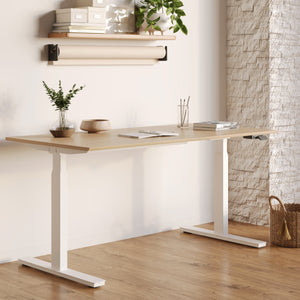
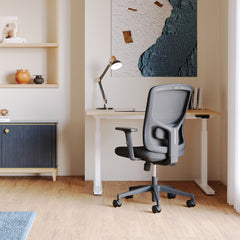
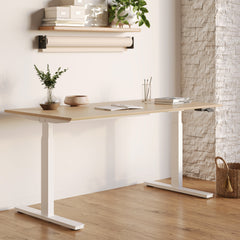
Standing-capable convertible tables have become essential for promoting physical health. Alternating between sitting and standing encourages movement and reduces fatigue. The Urbanica Standing Desk offers smooth height transitions while maintaining structural balance and visual simplicity, making it a natural fit for home offices seeking both function and refinement.
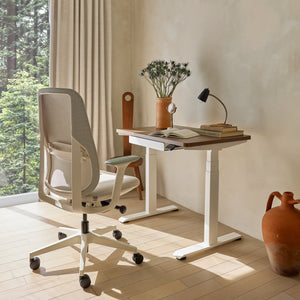
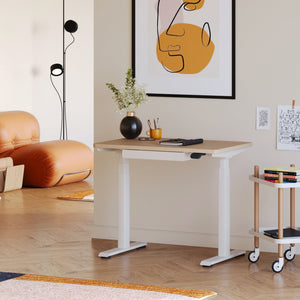
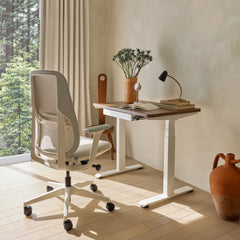
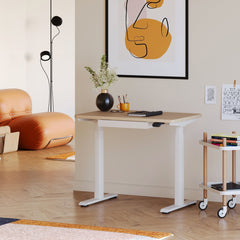
Not every space can accommodate large office furniture. Compact designs enable productivity even in smaller environments. The Urbanica Mini Standing Desk demonstrates how thoughtful proportions and intuitive adjustability can transform small spaces into efficient work zones without sacrificing comfort or elegance.
| Table Type | Ideal Use Case | Adjustment Range | Space Requirement | Distinct Benefit |
|---|---|---|---|---|
| Folding Convertible Table | Mobile professionals | Manual | Minimal | Portable workspace |
| Standing Convertible Table | Health-conscious users | Electric or manual | Medium | Encourages movement |
| Modular Workstation Table | Teams, creators | Configurable | Large | Supports collaboration |
| Wall-Mounted Convertible Desk | Minimalist setups | Fold-down | Very low | Space-saving solution |
Each convertible style addresses a unique aspect of modern work. Compact designs emphasize efficiency, while modular systems promote teamwork. The best choice depends on individual work habits, available space, and ergonomic needs.
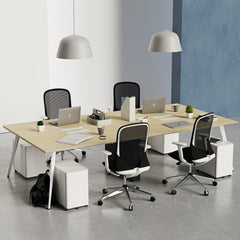
As remote teams embrace hybrid collaboration, furniture that accommodates multiple users has gained traction. The Urbanica Quad Workstation is designed for flexibility and shared productivity, offering a spacious surface for four users while maintaining clean lines and ergonomic integrity.
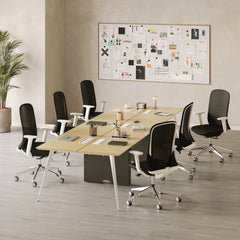
Collaborative environments require furniture that encourages communication and coordination. The Urbanica Six-Person Workstation Desk provides ample space for teamwork and group planning, merging professional functionality with balanced aesthetics suitable for modern offices.
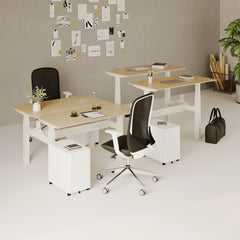
Many households now host more than one remote worker, creating demand for dual setups that preserve personal space while maintaining connection. The Urbanica Two-Person Standing Office Desk delivers this harmony, allowing two individuals to work comfortably side by side without interference or clutter.
Convertible workstations can be adapted with subtle dividers or acoustic panels to maintain privacy while encouraging teamwork. Adjustable lighting, color balance, and spatial organization help ensure that shared work environments remain comfortable and focused.
A workspace that adapts to the user’s changing needs supports creativity and concentration. Convertible tables empower individuals to reorganize their setup throughout the day, maintaining engagement and preventing monotony. The ability to shift positions or rearrange the surface fosters an active mental state and sustained focus.
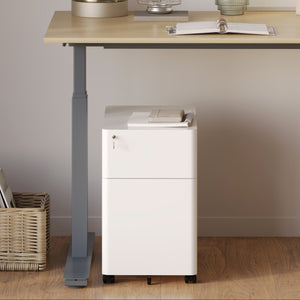
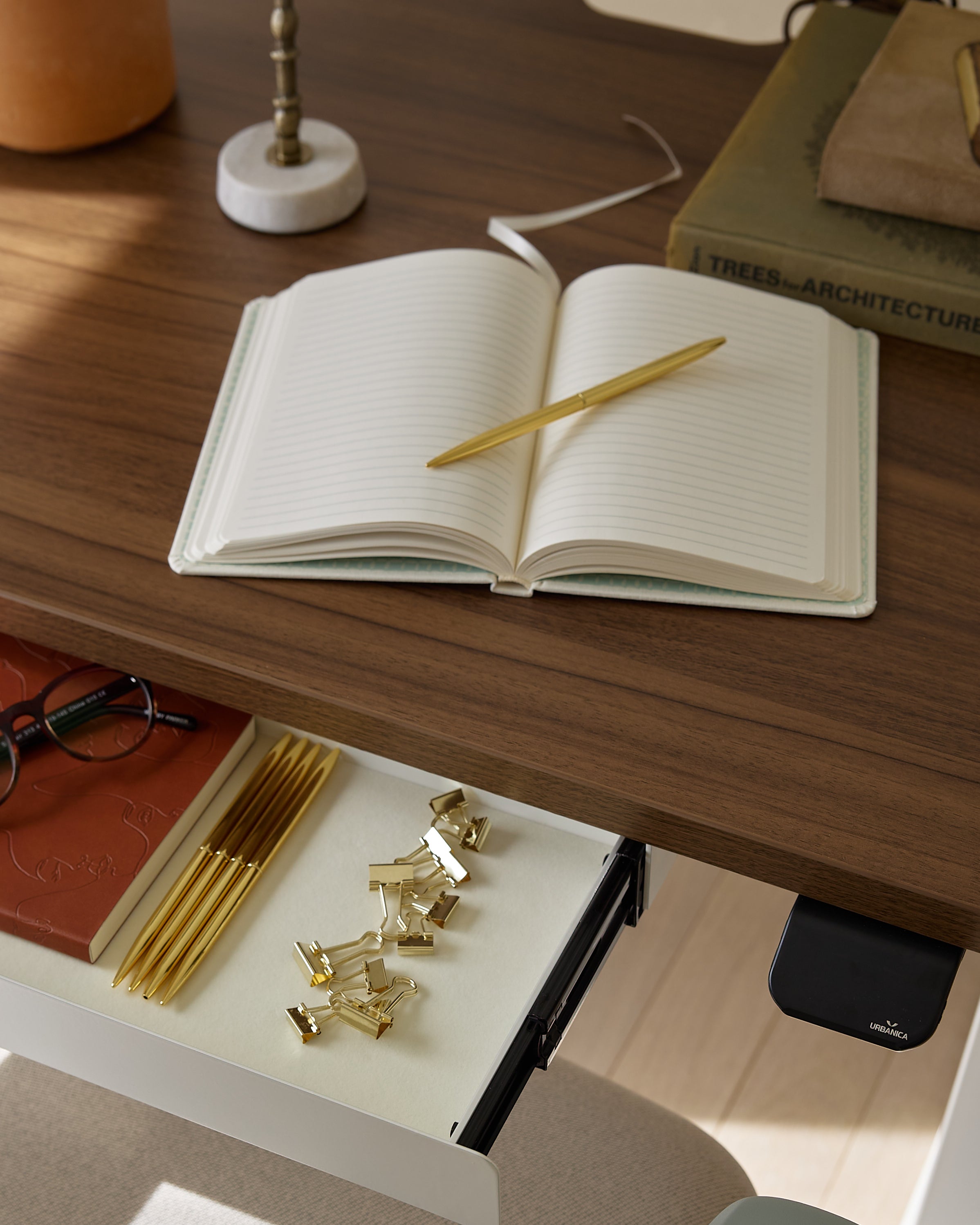
Design simplicity supports clarity of thought. Convertible tables that incorporate discreet storage solutions encourage tidiness without adding visual complexity. Minimal surfaces promote mindfulness and efficiency, aligning with contemporary design values that emphasize calm and control.
Consider a freelance designer alternating between digital sketching and notebook drafting. A convertible standing table allows for smooth transitions between creative modes, supporting both inspiration and posture. This balanced functionality reflects how thoughtful design can quietly enhance daily performance.
Durability and environmental responsibility increasingly guide purchasing decisions. Manufacturers are turning toward eco-certified materials and modular designs that can be repaired or reconfigured instead of replaced. This approach minimizes waste and extends the furniture’s lifespan.
Convertible furniture is gradually incorporating responsive mechanisms that personalize comfort settings. Subtle innovations like programmable height memory and posture reminders contribute to a more intuitive user experience without overcomplicating the design.
Weight-sensing motor calibration for precision adjustment
Foldable digital worktops for compact storage
Adaptive lighting integrated into structural elements
Noise-dampening desk surfaces for improved focus
Modular leg extensions that expand functionality
Modern aesthetics emphasize simplicity and purpose. Convertible tables embody this philosophy by prioritizing clean silhouettes, soft materials, and versatile finishes. Each design aims to provide utility without distraction, enhancing the rhythm of daily work life.
Selecting a convertible table begins with understanding how you work. Factors such as available space, daily habits, and equipment requirements determine which configuration is best. Compact models suit urban apartments, while larger tables may serve as central pieces in dedicated offices.
Furniture reflects identity as much as it fulfills function. Whether your workspace leans toward Scandinavian warmth or industrial modernity, convertible tables should integrate smoothly with your environment. A cohesive aesthetic promotes harmony and reduces visual fatigue.
1. Measure your space and plan table placement carefully.
2. Confirm the adjustment mechanism fits your physical comfort.
3. Prioritize materials that offer durability and easy maintenance.
4. Choose designs that include subtle storage for organization.
5. Consider trusted craftsmanship and solid warranty coverage.
Convertible tables illustrate how modern life merges practicality with creativity. They empower users to shape their environment according to changing needs, encouraging balance and comfort. As the boundaries between living and working continue to blur, furniture design will remain focused on human experience—creating adaptable, reliable, and enduring solutions that reflect both innovation and care.


You have unlocked free shipping!
You're saving $29 and unlocked free shipping!
Leave a comment