



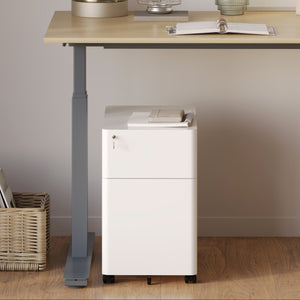



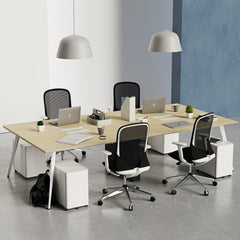


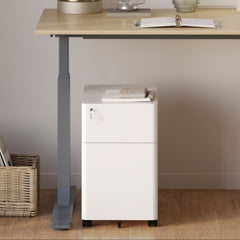



Filing Cabinet Choices for Cleaner Workstation Planning
Cleaner workstation planning starts with filing storage that matches the desk, document volume, security needs, and daily workflow. Explore how cab...
Learn more
Visit quiz page to see how we makes it easy to create an inspiring workplace


Deep focus is becoming increasingly rare in modern work environments. Constant notifications, digital distractions, and cluttered workspaces make it difficult to concentrate for extended periods of time. Yet one factor that is often overlooked is the physical layout of the workspace itself.
Furniture arrangement plays a powerful role in how easily people can enter a state of deep concentration. A desk facing constant movement or noise can disrupt attention. Poorly positioned screens can cause physical strain that interrupts workflow. Even cluttered surfaces can make the brain process unnecessary visual information, reducing focus.
A thoughtfully designed workspace removes these obstacles. When furniture supports comfort, organization, and movement, the brain can focus entirely on meaningful work instead of constantly reacting to the environment.
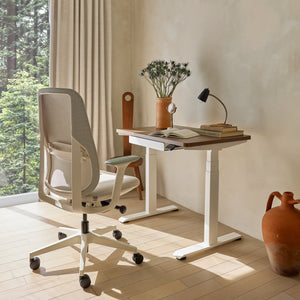
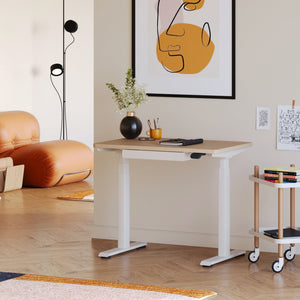
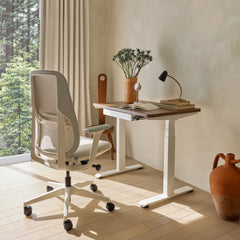
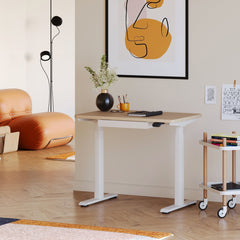
Even compact setups can support high productivity. A carefully designed Small Standing Desk Los Angeles layout can create an efficient workstation that encourages focus without overwhelming the room.
By understanding how furniture placement affects attention, anyone can design a workspace that supports deep work rather than disrupting it.
Deep work requires an environment that minimizes interruptions. Furniture layout influences how easily the brain can maintain attention.
Workspaces designed for focus typically include:
• Clear desk surfaces
• Minimal visual clutter
• Comfortable seating
• Balanced room layouts
When furniture is arranged intentionally, the brain receives fewer distractions. This allows concentration to last longer and work to feel smoother.
Furniture layout also affects how quickly someone can enter a focused state. Sitting down at a workspace designed specifically for productivity signals the brain that it is time to concentrate.
A workspace that supports focus turns productivity into a natural habit rather than a constant struggle.
Remaining in the same position for long periods can reduce mental energy. Furniture that allows movement helps maintain alertness during extended work sessions.
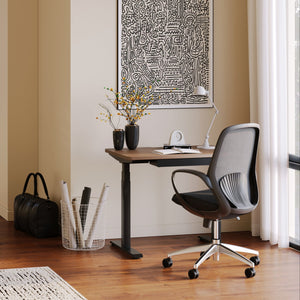
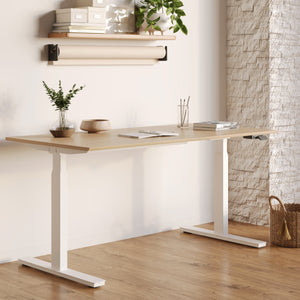
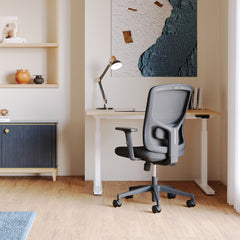
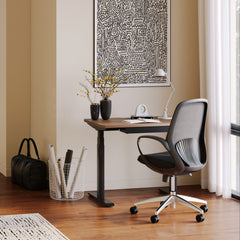
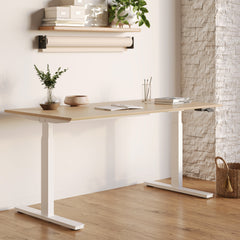
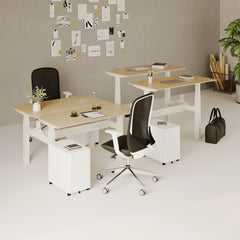
A modern standing desk allows users to alternate between sitting and standing positions throughout the day.
Benefits include:
• Improved circulation
• Reduced physical stiffness
• Increased alertness
• Better posture support
Changing posture periodically helps maintain mental engagement. Small shifts in body position can refresh attention and prevent fatigue during demanding tasks.
Furniture that supports flexibility encourages consistent focus during long work periods.
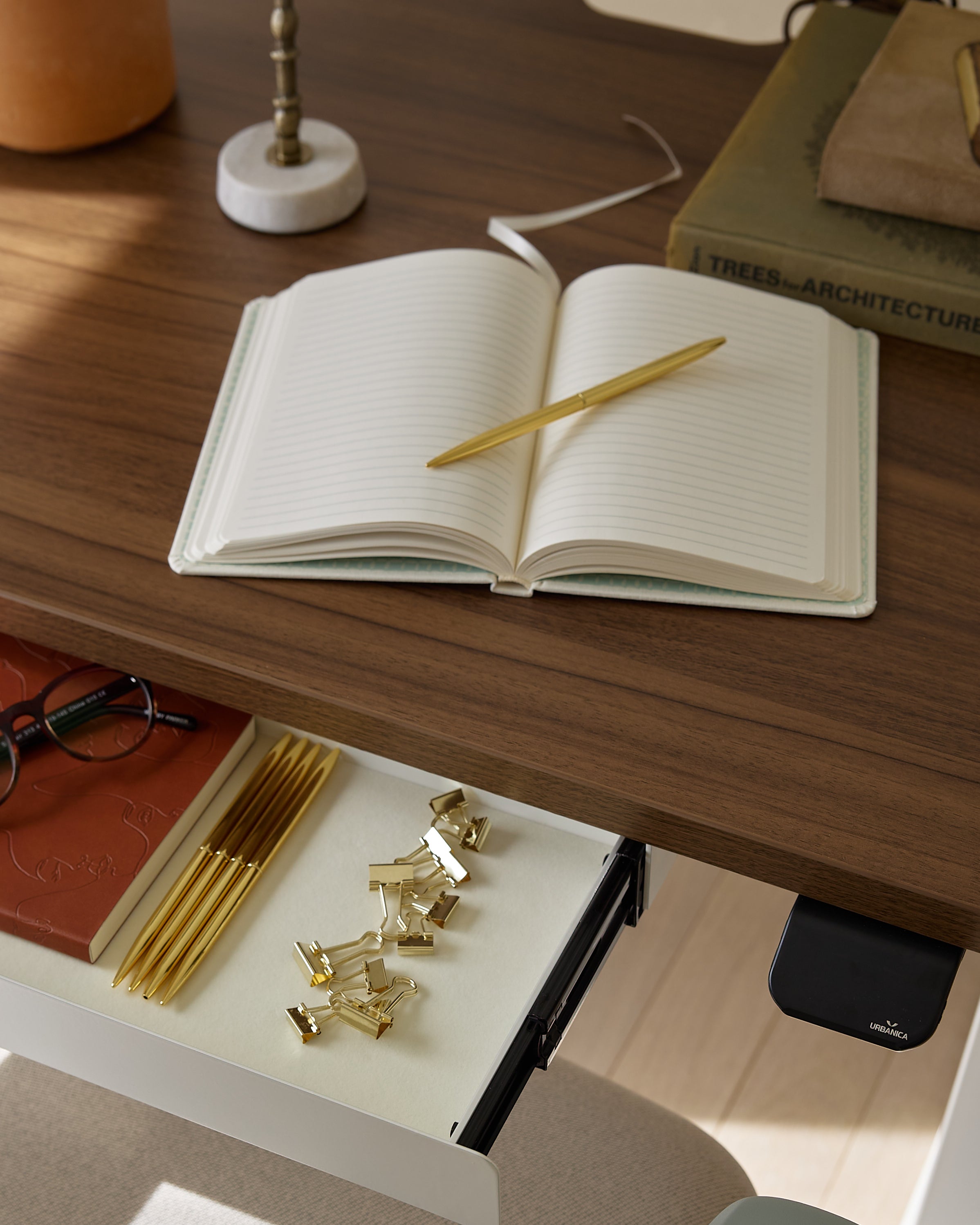
The brain constantly processes information from the surrounding environment. When desks are cluttered, the brain must filter additional stimuli before focusing on tasks.
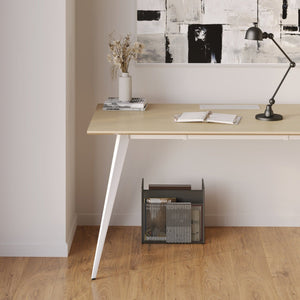
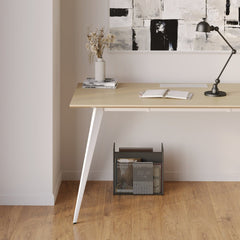
A spacious office desk helps organize tools without overcrowding the workspace.
Effective organization strategies include:
• Keeping only essential items on the desk
• Storing unused items elsewhere
• Maintaining open working surfaces
An organized workspace reduces cognitive load. This allows workers to dedicate more mental energy to their work rather than processing unnecessary visual distractions.
Simple layouts are often the most productive.
Studies on workspace productivity show that environmental design strongly influences focus and performance.
Lighting, furniture placement, and ergonomic support all contribute to how easily individuals can concentrate. When workspaces are designed intentionally, productivity improves naturally.
Furniture that supports proper posture and organized workflows helps eliminate small interruptions that often disrupt concentration.
Designing spaces with focus in mind creates environments where deep work becomes easier to achieve.
Poor screen placement forces users to constantly adjust posture, creating discomfort that interrupts concentration.
A monitor arm allows screens to be positioned at eye level while freeing up desk space.
Advantages include:
• Improved viewing angles
• Reduced neck strain
• Increased desk organization
When screens are positioned properly, users spend less time adjusting posture and more time concentrating on tasks.
Small ergonomic adjustments can significantly improve focus during long work sessions.
Discomfort is one of the most common reasons people lose concentration. Chairs that lack support force users to shift positions frequently, which interrupts productivity.
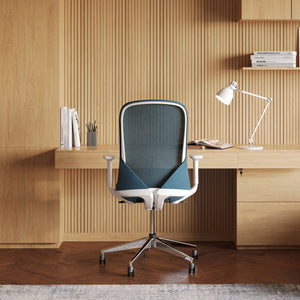
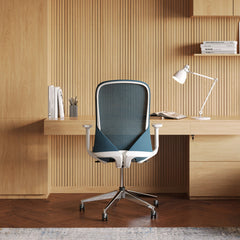
A supportive ergonomic office chair helps maintain spinal alignment and reduces strain during extended work sessions.
Comfortable seating allows workers to maintain focus without being distracted by physical discomfort.
Proper seating transforms the workspace into an environment where long periods of concentration feel sustainable.
|
Furniture Feature |
Function |
Focus Benefit |
|
Adjustable desks |
Encourage movement |
Sustained energy |
|
Organized desks |
Reduce clutter |
Better concentration |
|
Ergonomic chairs |
Support posture |
Reduced fatigue |
|
Monitor arms |
Optimize screen height |
Improved comfort |
|
Clear layouts |
Remove distractions |
Deeper focus |
Together, these elements create workspaces that support productivity and concentration.
Furniture placement can either support or interrupt concentration.
Consider these strategies when arranging a workspace:
• Position desks away from high-traffic areas
• Face desks toward calm areas of the room
• Keep lighting balanced and consistent
• Maintain clear walkways
These adjustments reduce distractions and allow deeper concentration.
Separating workspaces from relaxation areas helps the brain associate the environment with productivity.
When furniture clearly defines work zones, entering a focused mindset becomes easier.
Deep focus is not only about willpower. It is also about creating environments that support concentration.
Workspaces designed for productivity remove unnecessary distractions and provide physical comfort. Organized furniture layouts help workers maintain attention for longer periods without fatigue.
When the environment supports focus, productivity becomes more consistent and sustainable.
Thoughtful furniture placement transforms ordinary rooms into powerful productivity spaces.
Use this checklist to create a workspace designed for deep concentration:
• Choose desks with enough working space
• Maintain clutter-free surfaces
• Position monitors at eye level
• Use ergonomic seating
• Encourage movement during the day
• Place desks away from distractions
• Maintain balanced room layouts
• Use adjustable furniture when possible
• Keep tools organized and accessible
• Prioritize comfort and simplicity
Deep focus becomes easier when the workspace supports it. The right furniture layout removes distractions, supports comfort, and allows the mind to concentrate fully on meaningful work.


You have unlocked free shipping!
You're saving $29 and unlocked free shipping!
Leave a comment