



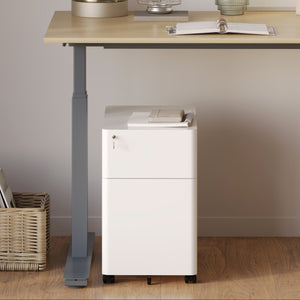






















Filing Cabinet Choices for Cleaner Workstation Planning
Cleaner workstation planning starts with filing storage that matches the desk, document volume, security needs, and daily workflow. Explore how cab...
Learn more
Visit quiz page to see how we makes it easy to create an inspiring workplace


Our modern work lives are often spent in environments that actively counteract our natural physiological needs. Fluorescent lights, rigid plastic surfaces, and endless geometric angles contribute to a subconscious state of vigilance, leading to faster burnout and reduced creative output. This constant disconnection from the natural world creates an environment where stress is amplified and focus is brittle.
The solution is found in biophilic design—the strategic integration of natural materials, organic shapes, and ample light into the work environment. By designing an office setup that reconnects us to nature's inherent calming properties, we fundamentally shift the psychological foundation of our work. This intentional use of wood, light, and natural textures transforms a sterile room into a supportive sanctuary, leading directly to reduced stress and profoundly enhanced concentration.
Exposure to natural elements, even within an indoor setting, has measurable effects on reducing stress hormones and improving cognitive function.
Restorative Attention: Viewing natural materials allows the prefrontal cortex to rest, improving the capacity for focused attention.
Mood Elevation: Natural wood tones and light exposure increase feelings of well-being and positivity.
Perceived Comfort: Organic shapes are interpreted as less threatening and more relaxing than sharp, repetitive geometry.
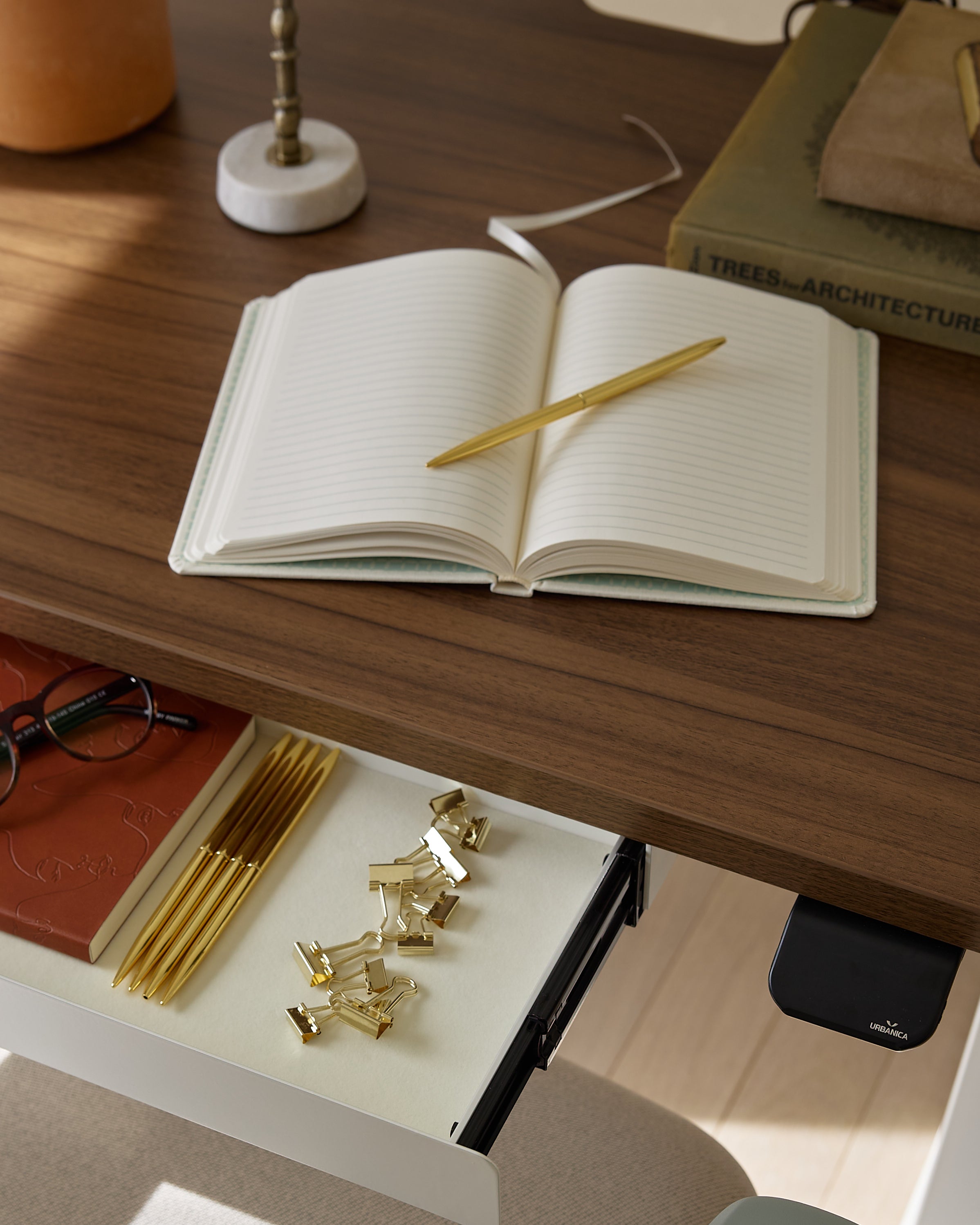
Wood is arguably the most important element in biophilic workstation design. Its unique grain, texture, and inherent warmth provide a visual and tactile anchor that grounds the entire space.
Unlike manufactured laminates, the subtle, non-repeating patterns in a wood grain are visually engaging without being distracting. They offer a gentle visual texture that cues relaxation and authenticity.
When selecting substantial Office Furniture California pieces, prioritizing natural wood finishes ensures structural longevity and provides this crucial element of biophilic warmth.
Natural light is a powerful, non-negotiable tool for boosting mood and focus. It regulates our circadian rhythm, signaling to the brain when it's time to be alert.
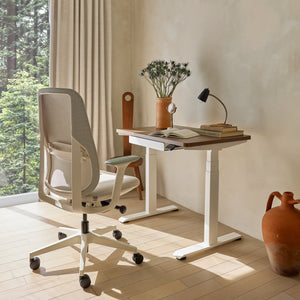
Position your desk to take advantage of natural light, ideally near a window, but without facing the light source directly to prevent glare. Where natural light is insufficient, supplement with full-spectrum task lighting that mimics daylight.
Avoid Harsh Overheads: Rely on layered, diffused lighting rather than single, intense overhead fixtures.
Use Matte Finishes: Ensure the desktop finish is matte to absorb light and prevent distracting reflections.
Nature is characterized by change and movement. A truly biophilic work environment must facilitate this dynamic state, preventing the rigidity of prolonged sitting.
Integrating movement is essential for circulation and energy levels. The fluid transition between sitting and standing mirrors the natural, changing states of the outdoors.
This dynamic flow is seamlessly integrated through a high-quality stand up desk, which supports both health and the biophilic principle of continuous, non-static existence.
The relentless use of sharp angles (90-degree corners, square accessories) in traditional office equipment can subconsciously trigger stress. Organic, curved lines are inherently calming.
Look for desks with subtly rounded edges and chairs with flowing, sculpted forms. These soft transitions reduce the "visual friction" that burdens the cognitive system.
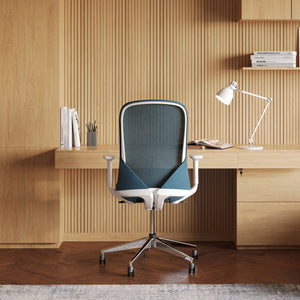
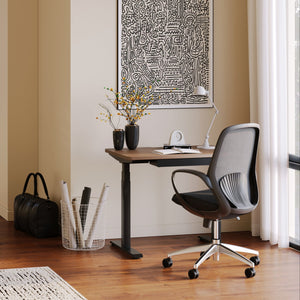
The physical form of a premium ergonomic chair, with its design focused on supporting the body's natural curves, exemplifies this blend of organic form and essential function.
Even small accessories placed on the desktop model should reinforce the natural theme. Every piece should be intentional, functional, and aesthetically warm.
Choose materials like bamboo, clay, or felt for storage containers, pen holders, and desk mats. These natural textures offer gentle tactile variation.
A simple, matte desk accessory for your monitor, in an earthy neutral tone, keeps the technology integrated without introducing visual noise.
Biophilic design engages multiple senses. The subtle scent of wood, the softness of natural fiber, and the absence of harsh chemical smells all contribute to a restorative atmosphere.
Tactile Feedback: The warmth of a smooth wood desktop feels fundamentally different and less harsh than cold metal or plastic.
Aromatic Grounding: Small, natural elements like essential oils or a live plant can introduce subtle, stress-reducing scents.

While dynamic height adjustment is key, the fundamental stability of a fixed desk model, especially one made of quality wood, provides a necessary sense of structural permanence and calm.
A substantial, well-made office desk acts as a reliable, heavy anchor in the space. Its mass and solid construction convey durability, aligning with nature's own enduring qualities.
The pursuit of better health is inherent in both ergonomics and biophilic design. Both principles aim to create a space that optimizes the human condition.
By integrating natural elements and supporting the body correctly, the workstation minimizes the chronic physical and mental fatigue that leads to long-term health issues. This combined focus is the cornerstone of a high-performance modern workstation setup.
Natural materials and simple, organic forms possess timeless beauty. Investing in high-quality wood furniture ensures the design remains relevant and restorative for decades.
Designs rooted in natural simplicity resist the cycles of fleeting trends. A durable wood desk and a timelessly styled ergonomic chair are sustainable investments because they will not be discarded for aesthetic obsolescence.
The biophilic effect isn't solely visual; it involves all the senses. A productive, unstressed workstation minimizes auditory pollution, replacing it with subtle, nature-inspired silence.
Hard, synthetic surfaces amplify distracting sounds, contributing to mental fatigue. Natural materials, conversely, tend to absorb sound, creating a softer acoustic environment. The strategic use of wood desks and fabric ergonomic chairs helps dampen echoes and background noise.
Acoustic Dampening: Use area rugs and soft textiles near the workstation to absorb sound waves.
Controlled Soundscapes: Instead of total silence, use ambient sound (e.g., gentle rain, distant ocean waves) to mask distracting urban noise.
Creating a quiet, controlled environment around your desk is a passive yet powerful way to support sustained cognitive effort, aligning your auditory experience with the visual calm of the natural design.
One of the most sustainable aspects of biophilic design is its resistance to obsolescence. Designs based on natural forms and durable materials remain relevant for decades, eliminating the need for frequent replacement.
Office equipment built from high-quality wood and metal doesn't just last longer physically; it lasts longer aesthetically. Trends in manufactured colors and synthetic textures fade rapidly, but the appeal of a beautifully finished wood desk is timeless. This permanence is crucial for both financial and environmental sustainability.
Longevity Metrics for Biophilic Design:
|
Component |
Biophilic Material Choice |
Functional Benefit |
|
Desk Surface |
Solid wood or high-quality veneer |
Resists peeling, aesthetic permanence |
|
Chair Frame |
Sculpted aluminum or high-grade steel |
Supports structure for 15+ years |
|
Design |
Organic, simple forms |
Never goes out of fashion |
Choosing pieces built for longevity means your office setup will continue to provide health and aesthetic benefits without contributing to the cycle of disposable furniture.
While furniture provides the foundation, introducing living plants is the most direct application of biophilic design, offering immediate and measurable benefits to air quality and focus.
Plants are not just decoration; they are functional air purifiers and gentle visual focal points. Their presence cues the outdoor environment, reducing mental fatigue and boosting concentration.
Placement: Position plants on the desktop or floating shelves where they don't impede work flow or clutter the space.
Type: Choose low-maintenance plants with broad, organic leaf shapes (like a snake plant or peace lily) that contribute to the room's visual calm.
This infusion of life around your workstation amplifies the calming effect created by the wood and light, completing the natural cycle of the work environment.
Caring for furniture made of natural materials—particularly wood—requires a different approach than cleaning synthetic surfaces. This maintenance becomes a ritual that reinforces the investment and connection to the material.
Wood desks benefit from occasional, light treatment to maintain their luster and protect their finish. This act of care is a moment of mindfulness, reinforcing the respect for the enduring quality of the material.
The simple ritual of wiping down the desk surface and tending to nearby greenery provides a structured break from screen time, helping to reset the mind before returning to work on your ergonomic chair. This intentional care extends the life and the visual appeal of the entire office setup.

The most successful work environments are those that honor our biological connection to nature. By strategically implementing wood tones, soft light, and organic forms, you create a supportive, tranquil workstation. This is more than a design choice; it is a vital investment in your sustained health, creativity, and maximum professional output.


You have unlocked free shipping!
You're saving $29 and unlocked free shipping!
Leave a comment