























The Truth About Ergonomics and Back Pain

The Ergonomic Advice Everyone Follows That’s Actually Making Things Worse
Back pain rarely starts with one dramatic mistake. More often, it builds slowly through habits we believe are correct. Many people follow ergonomic advice with good intentions, yet still end each workday sore, stiff, or exhausted. The problem is not that ergonomics do not work. The problem is that common myths distort how ergonomic furniture should actually be used.
These misconceptions quietly encourage poor posture, limit movement, and create false confidence in setups that are not truly supportive. Understanding which ergonomic beliefs are harming your back is the first step toward real relief.
Why Ergonomic Myths Are So Easy to Believe
Ergonomic myths persist because they sound logical. Advice like “sit up straight all day” or “one perfect chair solves everything” feels reassuring. It suggests there is a single correct posture or a single piece of furniture that fixes discomfort.
In reality, the human body is dynamic. It needs movement, variation, and support that adapts throughout the day. When furniture is treated as a static solution, people unknowingly force their bodies into rigid positions that cause strain instead of preventing it.
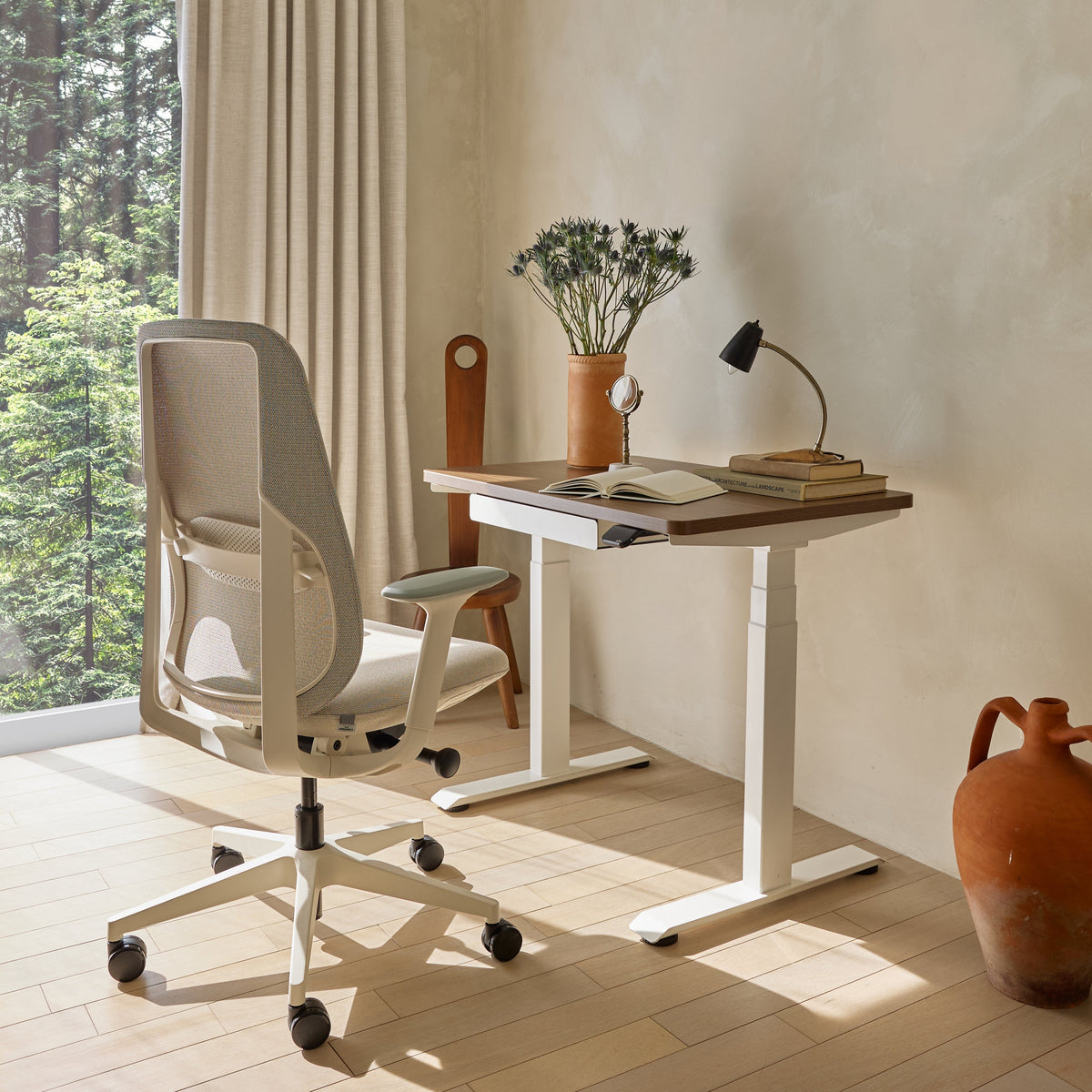
A workspace anchored by an Office Table Los Angeles highlights how ergonomics should work in practice. Furniture must support natural posture changes, not lock the body into one idealized position. Ergonomics is about flexibility, not perfection.
Myth One – Sitting Upright All Day Is Good for Your Back
Why “Perfect Posture” Is a Misleading Goal
Many people believe that holding a perfectly upright posture all day is the healthiest way to sit. This belief leads to constant muscle tension and fatigue.
The Problem With Static Upright Sitting
Muscles are not designed to hold one position indefinitely.
What Actually Happens
-
Muscles fatigue faster when constantly engaged
-
The spine loses natural movement
-
Pressure builds in the lower back
-
Shoulders tense from overcorrection
-
Breathing becomes shallow
Healthy posture changes throughout the day. Comfort improves when furniture allows subtle shifts rather than enforcing stiffness.
Myth Two – A Standing Desk Fixes Back Pain Automatically
Standing Is Not a Cure on Its Own
Standing desks are often marketed as a solution to sitting-related pain, but standing incorrectly can cause just as many problems.
Why Standing All Day Backfires
Standing without support strains the lower back and legs.
The Reality of Standing Work
-
Prolonged standing increases spinal compression
-
Poor foot support causes hip strain
-
Locked knees reduce circulation
-
Fatigue sets in faster without movement
-
Pain shifts rather than disappears
A properly used standing desk supports posture only when paired with movement, correct height adjustment, and balanced positioning.

Myth Three – Desk Height Does Not Matter That Much
Desk height is one of the most underestimated factors in back health. Many people adjust their chair but leave the desk unchanged, forcing the body to compensate.
When desk height is wrong, shoulders lift, wrists bend, and the spine curves forward. These compensations increase tension throughout the upper and lower back. Over time, this leads to chronic discomfort that people often blame on long hours rather than poor alignment.
A well-proportioned office desk allows the arms to rest naturally and the spine to remain neutral, reducing strain without conscious effort.
Myth Four – Ergonomic Setup Is Only About the Chair
Why Focusing Only on the Chair Falls Short
Chairs are important, but they are only one part of the ergonomic system.
The Workspace Works as a Whole
Posture depends on how all elements interact.
Overlooked Factors That Affect the Back
-
Desk height relative to chair height
-
Screen position and viewing distance
-
Arm support and reach zones
-
Foot placement and leg clearance
-
Movement opportunities throughout the day
Guidance on proper workstation setup, such as this ergonomic workstation setup, emphasizes that ergonomics works best when furniture pieces support each other rather than acting alone.
Myth Five – Once Set, Ergonomics Never Changes
Ergonomics is not a one-time adjustment. Bodies change throughout the day due to fatigue, hydration, stress, and workload. A setup that feels comfortable in the morning may feel restrictive by afternoon.
When furniture does not adapt, posture suffers. People lean forward, shift awkwardly, or ignore discomfort until pain becomes unavoidable. True ergonomic design allows frequent, easy adjustments that support changing needs.
Furniture should work with the body’s natural rhythms rather than expecting the body to conform to a fixed setup.
Common Ergonomic Myths and Their Real Impact
|
Myth |
What People Believe |
What Actually Happens |
|
Sit upright always |
Better posture |
Muscle fatigue |
|
Stand all day |
No back pain |
Lower back strain |
|
Chair solves everything |
Full support |
Imbalance |
|
Desk height is minor |
No effect |
Shoulder tension |
|
One setup fits all |
Universal comfort |
Individual strain |
The Role of Accessories in Correcting Ergonomic Mistakes
Why Small Adjustments Matter
Accessories allow fine-tuning that furniture alone cannot provide.
Supporting Natural Movement
Tools should follow the body, not restrict it.
Accessories That Protect the Back
-
Adjustable arm support for screens
-
Clear desk surfaces to reduce reach strain
-
Flexible positioning for devices
-
Stable seating that encourages posture shifts
-
Consistent alignment across furniture
An ergonomic arm allows screens to move with posture changes, while a supportive ergonomic chair maintains spinal alignment without forcing rigidity.
Why Ergonomic Myths Persist Despite Pain
Ergonomic myths persist because discomfort often builds slowly. People normalize pain, assuming it is part of work life. They follow familiar advice instead of questioning whether it truly serves their body.
Marketing also plays a role. Simplified messages promise quick fixes instead of nuanced solutions. Real ergonomics requires attention, adjustment, and awareness, which is less appealing than a single purchase or rule.
Breaking these myths requires shifting focus from products alone to how furniture supports movement, posture, and long-term comfort.

Rethinking Ergonomics for a Healthier Back
Ergonomics works best when it supports how the body naturally moves.
A Back-Safe Ergonomics Checklist
-
Allow posture to change throughout the day
-
Adjust desk and chair together
-
Alternate between sitting and standing
-
Use accessories to fine-tune alignment
-
Listen to discomfort signals early
When ergonomic furniture is used correctly, pain reduces and comfort improves. Let go of myths and focus on flexibility, balance, and support. Your back will respond quickly.
Related Articles
-
 You Asked: Can The Best Chair For Lower Back Pain Really Fix It?
-
 Lower Back Pain from Office Chair: What to Adjust First for Fast Relief
-
 Sore back from office chair causes and what to adjust first
-
 Best ergonomic office chairs for back pain and long hours at the desk
-
 Is gaming chair good for office work if you have back pain
-
 Are standing desk good for you when you have lower back pain


