



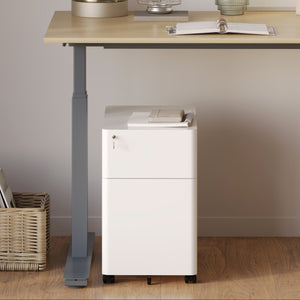



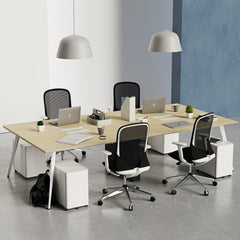
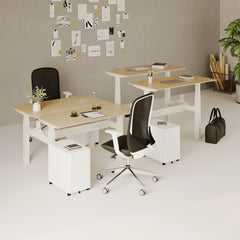
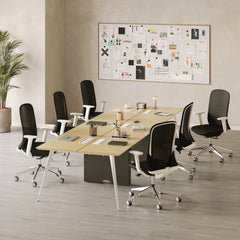


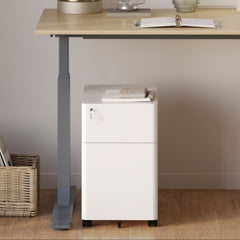


Filing Cabinet Choices for Cleaner Workstation Planning
Cleaner workstation planning starts with filing storage that matches the desk, document volume, security needs, and daily workflow. Explore how cab...
Learn more
Visit quiz page to see how we makes it easy to create an inspiring workplace


When people walk into a home, they often notice the atmosphere before anything else. Some homes feel calm and welcoming. Others feel energetic, creative, or highly organized. While lighting and décor contribute to this feeling, furniture plays the most important role in shaping the personality of a space.
Furniture defines how rooms are used and how people move through them. A cozy reading chair invites relaxation. A spacious dining table encourages conversation. A well-designed desk signals focus and productivity.
The furniture people choose reflects their lifestyle and priorities. Some homes are designed for creativity and flexibility. Others emphasize comfort and quiet spaces for concentration.
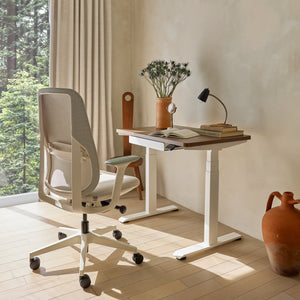
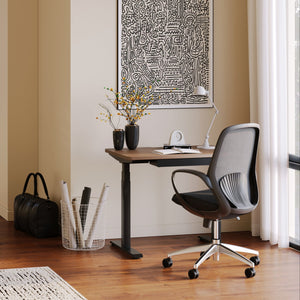
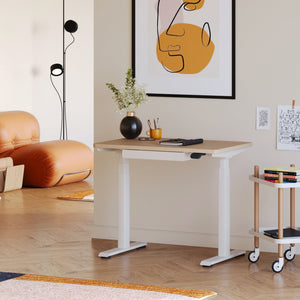
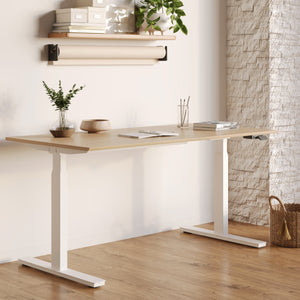
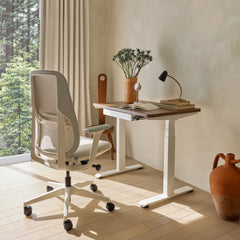
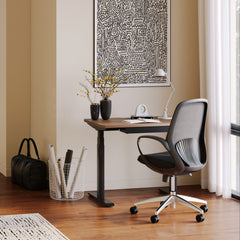
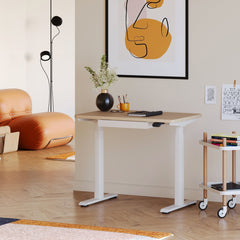
Even workspaces inside the home contribute to the overall character of a room. A thoughtfully arranged Small Standing Desk California setup can transform a corner into a purposeful and productive environment while maintaining the aesthetic harmony of the home.
By choosing furniture intentionally, homeowners shape not only the function of their space but also the emotional experience it creates.
Every room in a home serves a different purpose, and furniture helps communicate that purpose clearly.
A living room filled with comfortable seating signals relaxation and social interaction. A dining area with a large table suggests gatherings and shared meals. A workspace with a functional desk encourages productivity.
Furniture placement also influences how people interact with each space. Open layouts feel welcoming and social, while carefully arranged corners create quiet zones for reflection or work.
When furniture aligns with the intended use of a room, the space feels natural and balanced. Rooms become easier to use, and daily routines flow smoothly.
Ultimately, the personality of a home emerges from these intentional decisions. Furniture becomes the foundation that supports both functionality and atmosphere.
With remote work becoming increasingly common, home workspaces have become a defining feature of modern homes.
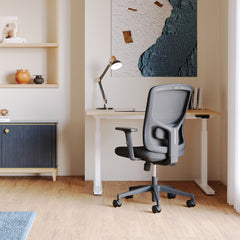
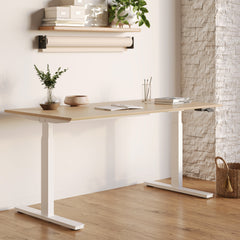
A well-designed standing desk allows homeowners to build flexible work environments that adapt to daily routines.
Benefits include:
• Encouraging movement throughout the day
• Supporting ergonomic posture
• Allowing quick adjustments between sitting and standing
Workspaces are no longer hidden corners of the home. They have become integrated into everyday living areas. Furniture that blends productivity with comfort helps maintain a cohesive home design.
When work furniture feels intentional rather than temporary, it contributes positively to the overall personality of the home.
The desk is often the centerpiece of a workspace. Its design influences both productivity and aesthetic style.
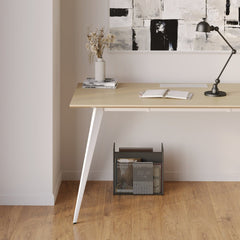
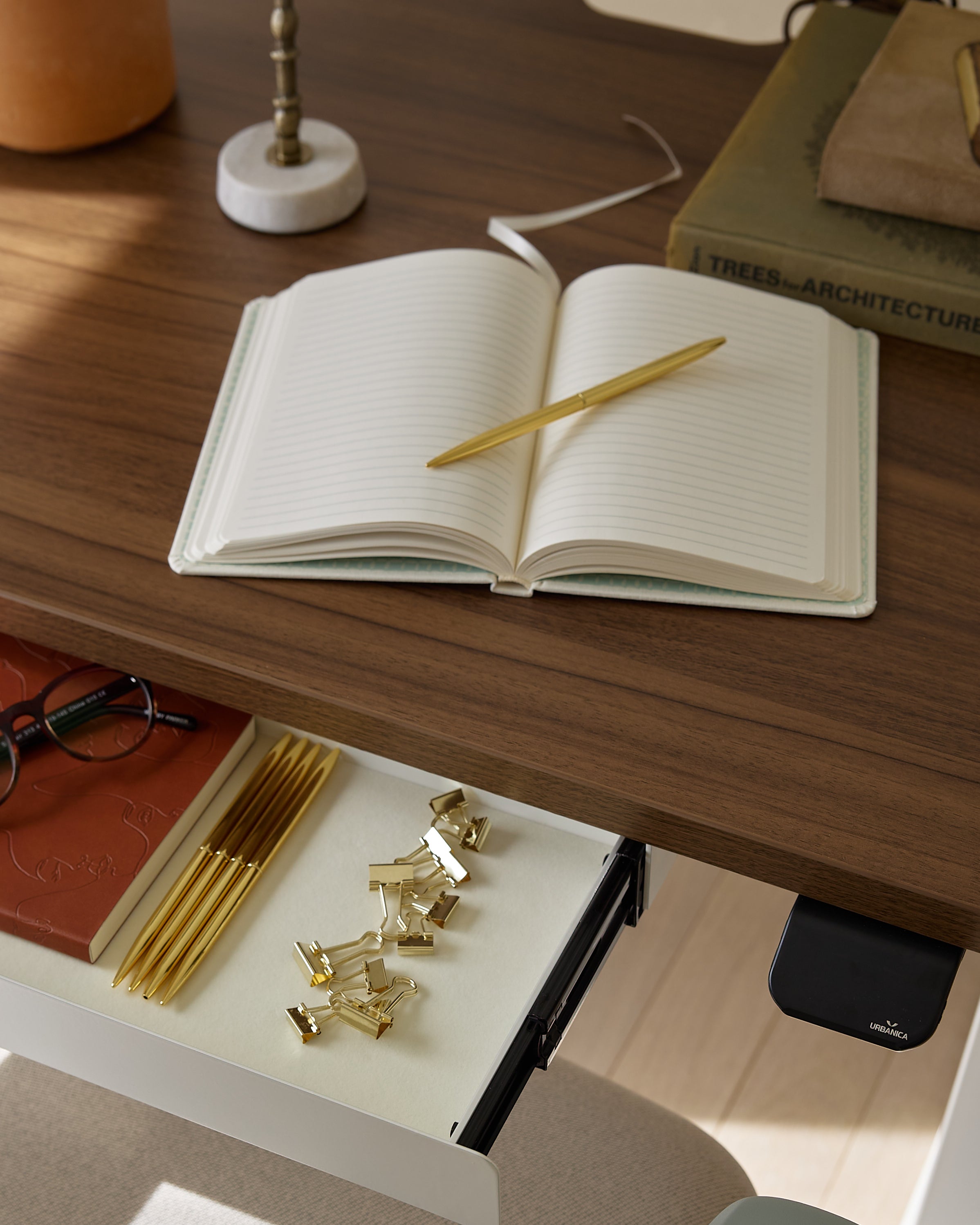
A spacious office desk creates a sense of order and professionalism within the home.
Organized desk environments often include:
• Clear work surfaces
• Thoughtful accessory placement
• Balanced lighting
Desks also allow homeowners to express personality through design choices. Some prefer minimalist setups with only essential tools, while others incorporate decorative elements that reflect creativity.
The way desks are styled can significantly influence the atmosphere of a workspace.
Interior design research on space psychology shows that environments strongly influence mood and behavior.
Furniture arrangement plays a major role in shaping these emotional responses. Open layouts often feel welcoming and energetic, while carefully arranged furniture can create calm and intimate spaces.
The emotional tone of a room often depends on how furniture interacts with lighting, space, and movement patterns. Rooms designed with balance and purpose tend to feel more comfortable and inviting.
By understanding the psychological effects of furniture placement, homeowners can design spaces that support both well-being and functionality.
Modern homes often include multiple screens, laptops, and devices. Furniture that supports technology without creating clutter helps maintain a clean and functional environment.
Using a monitor arm allows screens to be positioned comfortably while freeing up desk space.
Benefits include:
• Improved viewing angles
• Reduced neck strain
• Cleaner desk surfaces
When technology integrates seamlessly into furniture design, rooms feel more organized and visually balanced.
A well-structured workspace enhances both productivity and interior design.
Comfortable furniture encourages people to spend more time enjoying their space. Chairs that support proper posture and relaxation contribute to a welcoming atmosphere.
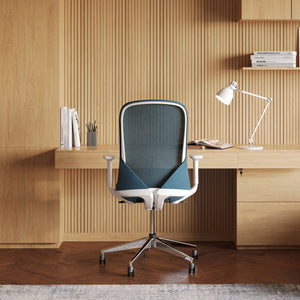
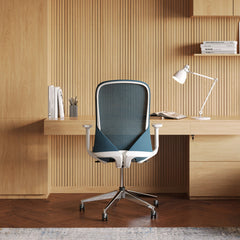
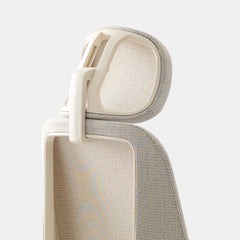
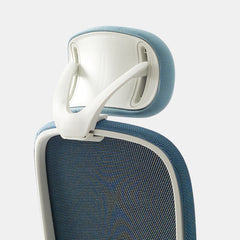
A supportive ergonomic office chair allows homeowners to work comfortably while maintaining healthy posture.
Comfortable seating plays a crucial role in how a room feels. Spaces that prioritize comfort naturally become gathering points for family members or quiet areas for focused work.
When furniture feels inviting, the personality of the home becomes warmer and more relaxed.
|
Furniture Element |
Atmosphere Created |
Impact on Lifestyle |
|
Flexible desks |
Dynamic workspace |
Encourages productivity |
|
Organized desks |
Structured environment |
Improves focus |
|
Ergonomic seating |
Comfortable spaces |
Supports long work sessions |
|
Minimal furniture layouts |
Calm environment |
Reduces visual clutter |
|
Balanced room design |
Harmonious atmosphere |
Improves daily flow |
These furniture elements combine to define the overall personality of a home.
Furniture should work together to create balance within a room. Overcrowded spaces feel chaotic, while empty rooms may feel cold or unfinished.
Good interior layouts often include:
• Clear pathways for movement
• Balanced furniture arrangements
• Functional zones within each room
These strategies help create rooms that feel comfortable and visually pleasing.
Furniture that complements the size and layout of a room helps maintain harmony. Proportion and spacing are essential for creating environments that feel natural.
Balanced spaces encourage relaxation and productivity.
The personality of a home ultimately reflects the lifestyle of the people who live there. Furniture choices reveal how homeowners value comfort, productivity, creativity, or social interaction.
Some homes emphasize relaxation and entertainment, while others highlight efficient workspaces and structured routines. The furniture people select tells a story about how they live their daily lives.
When furniture aligns with personal habits and preferences, the home becomes a reflection of individual identity rather than simply a place to live.
Thoughtful furniture design transforms ordinary rooms into spaces that feel meaningful and personal.
Creating a home with personality begins with thoughtful furniture decisions.
Use this checklist when designing your space:
• Choose furniture that supports your daily routines
• Maintain balanced room layouts
• Keep pathways open and accessible
• Use ergonomic seating for comfort
• Position workspaces where focus is easiest
• Avoid overcrowding rooms with furniture
• Maintain organized desk surfaces
• Integrate technology cleanly into furniture
• Select pieces that reflect your personal style
• Prioritize both function and comfort
Furniture shapes how homes look, feel, and function every day. When chosen thoughtfully, it becomes a powerful tool for creating spaces that truly reflect the personality of those who live there.


You have unlocked free shipping!
You're saving $29 and unlocked free shipping!
Leave a comment