



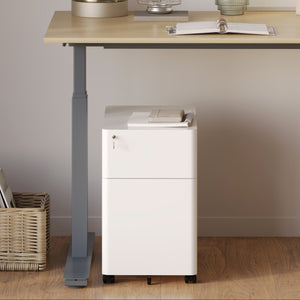






















Filing Cabinet Choices for Cleaner Workstation Planning
Cleaner workstation planning starts with filing storage that matches the desk, document volume, security needs, and daily workflow. Explore how cab...
Learn more
Visit quiz page to see how we makes it easy to create an inspiring workplace


When someone walks into your home, they form an impression before you say a word. That impression does not come only from décor or wall color. It comes from the furniture you choose. The lines of your desk, the structure of your chair, the layout of your workspace, and the balance of your rooms quietly communicate who you are.
Furniture shapes the personality of a home by defining how it functions. It influences whether a space feels calm or chaotic, formal or relaxed, creative or structured. Even small changes in design can shift the entire mood of a room.
Understanding how furniture affects personality helps you build a home that reflects your lifestyle and values.
Furniture determines how a room flows. A spacious desk creates openness and organization. Compact pieces suggest efficiency. Clean lines feel modern and intentional, while soft curves feel welcoming and relaxed.
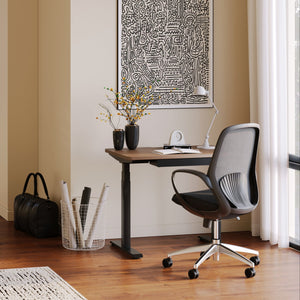
For example, choosing an Office Table California style setup communicates professionalism and structure. It signals that work matters in your home and that productivity has its own dedicated place. A well-defined workstation tells visitors that your space supports focus and discipline.
Furniture is not passive. It directs attention and defines purpose. When your layout is intentional, your home feels cohesive and confident.
Your workspace often reveals your priorities more clearly than any other room.
A well-planned desk area suggests ambition and organization. A cluttered one may suggest creative spontaneity or overwhelm.
Desk size and shape
Storage visibility
Chair design
Lighting placement
Cable management
Each detail influences how the room feels.
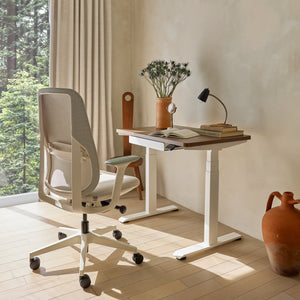
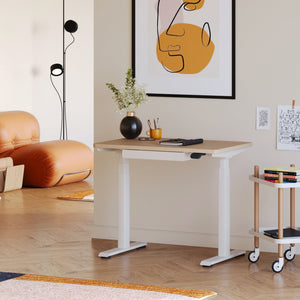
A flexible sit-stand desk introduces movement into your daily routine. This kind of setup communicates adaptability and forward thinking. It reflects a personality that values health, productivity, and efficiency.
When your workspace supports motion and flexibility, your home feels dynamic rather than static.
In many homes, especially those with remote work setups, the desk becomes a visual anchor.
Large, balanced desks create authority within a room. Minimalist surfaces create calm.
Wide surfaces suggest preparedness
Clean finishes imply discipline
Neutral tones express balance
Compact styles signal efficiency
Organized layouts show control
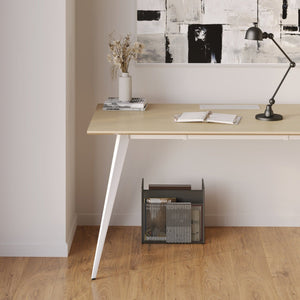
A thoughtfully designed modern office desk reinforces clarity and purpose. When your desk looks stable and refined, it sets the tone for the entire room.
The desk is not just a tool. It becomes part of your home’s personality statement.
Research in interior psychology shows that interior environments shape behavior and emotional response. The arrangement and type of furniture influence how we move, think, and feel.
Open layouts encourage collaboration and conversation. Defined spaces promote concentration. Furniture placement can either reduce stress or subtly increase it.
When you choose furniture intentionally, you shape not just aesthetics but daily experiences. Your home begins to align with your emotional and functional needs.
Comfort influences personality expression more than people realize.
When furniture supports proper alignment, you feel physically stable and mentally clear.
Upright posture during meetings
Reduced fidgeting
Increased focus
Calm body language
Greater task completion
Using an adjustable arm support helps maintain alignment during long hours at your desk. This subtle addition promotes comfort, which translates into confidence. When your body feels supported, your home environment feels dependable.
Ergonomic details strengthen both physical comfort and emotional stability.
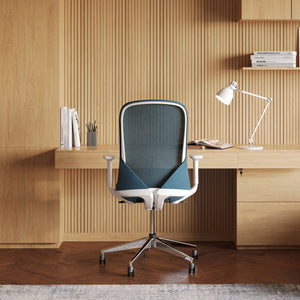
Chairs communicate mood instantly. A structured, supportive chair suggests focus and productivity. A relaxed, plush seat communicates comfort and ease.
Seating determines how long people linger in a space. If a chair feels unstable, guests feel unsettled. If it feels supportive, the room feels welcoming and secure.
Furniture personality begins at the level of physical interaction.
|
Furniture Feature |
Emotional Impression |
Functional Message |
|
Clean-lined desk |
Organized and modern |
Structured workflow |
|
Adjustable height surface |
Adaptive and health-conscious |
Flexible routine |
|
Ergonomic chair |
Professional and prepared |
Long-term comfort |
|
Minimal décor |
Focused and calm |
Reduced distraction |
|
Balanced layout |
Stable and inviting |
Intentional design |
Every piece adds meaning to the space.
The way furniture supports your body affects how you interact with your environment.
A stable seating structure prevents constant micro-adjustments.
Frequent shifting
Back discomfort
Reduced concentration
Shorter work sessions
Increased fatigue
A thoughtfully engineered ergonomic office chair promotes balance and durability. Proper support encourages longer focus periods and consistent energy levels.
Comfort transforms a room from functional to empowering.
Your furniture should reflect how you live. A highly structured desk area suits disciplined schedules. A flexible standing setup supports varied routines. Organized storage reflects clarity. Open surfaces suggest creativity.
When furniture aligns with lifestyle, your home feels authentic. There is no tension between how you want to live and how your space supports you.
Personality is revealed in consistency. The more your furniture matches your habits, the more cohesive your home feels.
Beyond structure and ergonomics, the materials and finishes you choose quietly influence the emotional tone of your home. Texture communicates warmth or minimalism. Color suggests energy or calm. Even the finish of a desk surface changes how a room feels.
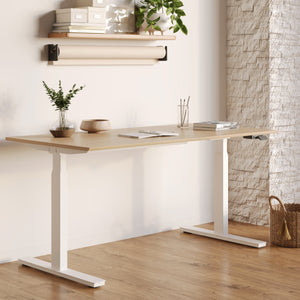
Natural wood textures often create warmth and comfort. Matte finishes feel modern and subtle. Glossy surfaces suggest boldness and precision. Neutral tones promote focus and clarity, while darker finishes can introduce depth and authority.
The materials you surround yourself with signal how you approach daily living.
Light wood tones suggest openness
Dark finishes imply structure and confidence
Smooth matte surfaces feel contemporary
Textured materials add character
Clean edges promote discipline
When materials and colors remain consistent throughout your home, the space feels unified. A cohesive furniture palette strengthens personality and prevents visual chaos.
Furniture is not only functional. It is emotional architecture. The surfaces you touch daily influence how grounded and inspired you feel in your own space.
Furniture is not just decoration. It defines how your home functions and how you feel within it. Thoughtful choices turn ordinary rooms into personal statements.
Choose desks that reflect your work style
Prioritize ergonomic comfort
Balance structure with openness
Maintain clean, intentional layouts
Select seating that promotes confidence
Ensure movement flexibility in work areas
Align furniture scale with room size
Keep design consistent throughout rooms
When furniture supports both function and identity, your home becomes more than a place to live. It becomes a reflection of who you are and how you move through the world.


You have unlocked free shipping!
You're saving $29 and unlocked free shipping!
Leave a comment